

Darfur, a region in western Sudan, is a land of rich cultural heritage and diverse ethnic groups. Home to over 80 tribes, including the Fur, Zaghawa, Masalit, and various Arab communities, Darfur’s cultural landscape is as varied as its geography, which ranges from the semi-arid plains to the Marrah Mountains. Despite the region’s recent history of conflict and displacement, its people have preserved a deep connection to their traditions, including a vibrant mythological heritage. Mythology in Darfur encompasses the stories, beliefs, and legends that explain the origins of the world, the forces of nature, and the values that bind communities together. These myths, primarily passed down through oral tradition, offer insight into the spiritual and cultural identity of Darfur’s inhabitants.
While specific documentation on Darfur’s mythology is scarce—due in part to the region’s remoteness and the focus of much modern scholarship on its humanitarian crises—it is evident that mythology plays a crucial role in shaping the worldview of its people. This report explores the probable themes and structures of Darfur’s mythology, drawing parallels with broader African mythological traditions while acknowledging the unique cultural diversity of the region.
Pre-Islamic Creation Myths
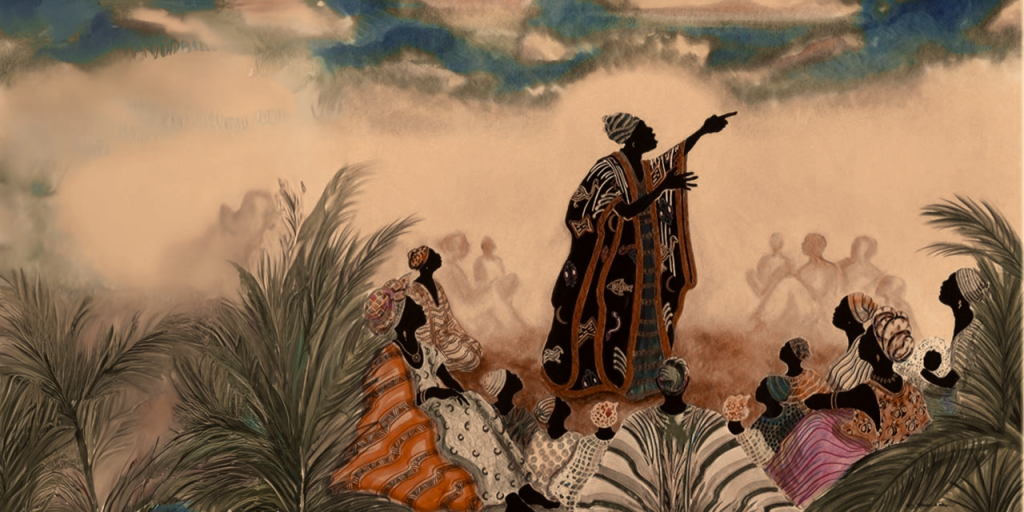
Creation myths are foundational narratives that explain the origins of the world and its people. In Darfur, these myths likely vary across ethnic groups but share common themes of divine creation and a deep connection to the natural environment.
- Fur Creation Myth: As the largest ethnic group in Darfur, the Fur may have a creation story cantered on a supreme deity who shaped the land and its inhabitants. Given the prominence of the Marrah Mountains, a defining feature of Darfur’s landscape, their mythology might feature a god or giant who formed these peaks, symbolizing strength and permanence. Such a narrative would reflect the Fur’s historical ties to the region and their identity as its namesake people. Central to Fur mythology is the concept of Kara, a divine force governing balance. Their creation narrative often involves a sacred mountain, Jebel Marra, symbolizing life and fertility.
- Zaghawa Creation Myth: The Zaghawa, a pastoralist group known for their nomadic lifestyle, might possess myths emphasizing the creation of cattle or the origins of their way of life. Their stories could describe a divine being who gifted them with herds or shaped the plains they traverse, underscoring their reliance on mobility and livestock. Their cosmology emphasizes celestial beings, with myths about Nira sending rain to nourish the land. Hero tales often depict warriors overcoming supernatural foes.
- Masalit Creation Myth: The Masalit, primarily agriculturalists, likely have myths tied to the fertility of the soil and the cycles of planting and harvesting. Their creation stories might feature gods or spirits who blessed the land with abundance, reinforcing their dependence on agriculture in a challenging semi-arid environment. Stories highlight Kuru’s role in shaping humanity, with oral epics celebrating cultural heroes who founded clans.
- Tunjur and Bergid: These smaller groups share themes of migration and resilience, with myths often linked to historical events like the Tunjur Sultanate’s reign.
These creation myths not only explain the physical world but also establish each group’s relationship with their surroundings, whether it be the rugged mountains, the open plains, or the cultivated fields.
Influence of Islam and Syncretism
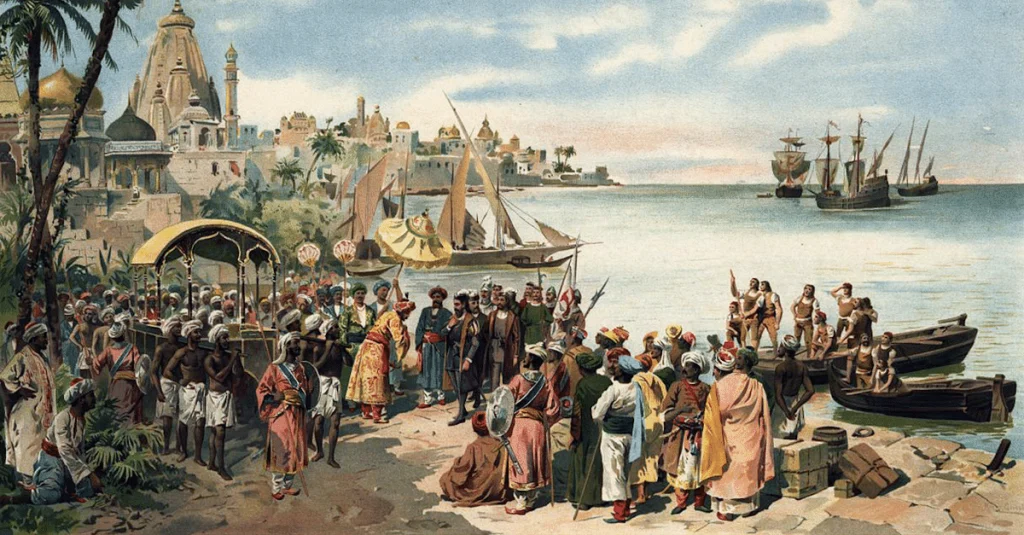
Islam’s arrival in the 14th century introduced new narratives, leading to syncretic practices. Indigenous deities were sometimes recast as Islamic saints or jinn. For example, rain-making rituals now incorporate Quranic verses, blending traditional invocations with Islamic prayers.
Heroes & Legends
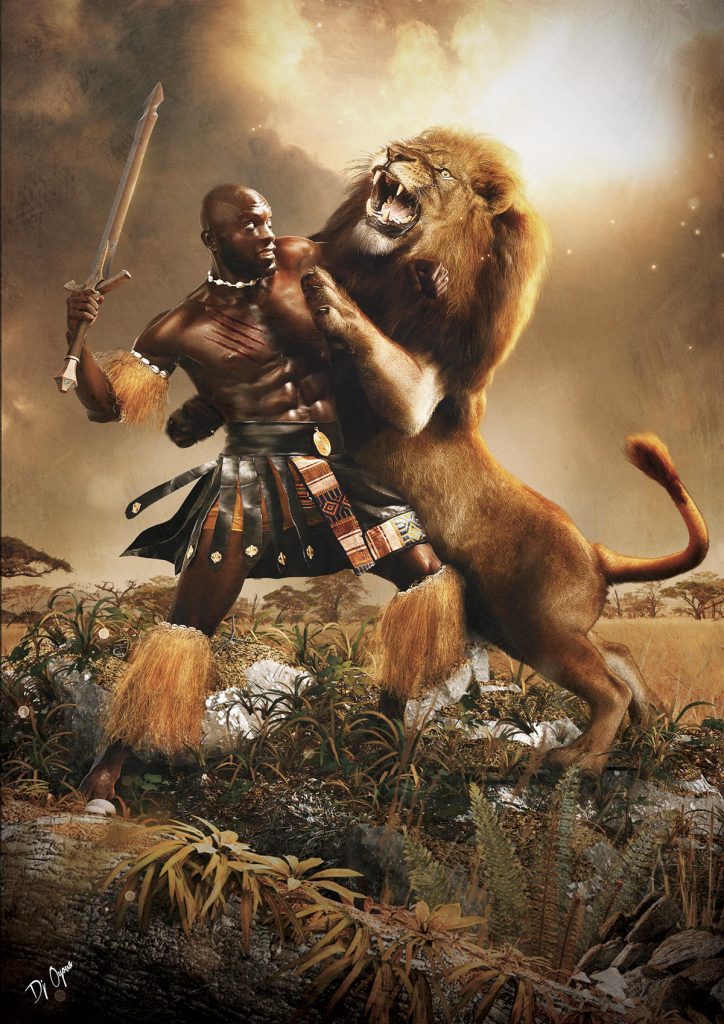
The people of Darfur celebrate individuals who embody the values and aspirations of their communities. In Darfur, these stories likely draw from the region’s history of leadership, resilience, and ingenuity.
- Legendary Heroes of the Fur: With their history of a powerful sultanate that lasted from the 17th century until 1916, the Fur might have myths about great kings or warriors who defended their people or expanded their dominion. These heroes could symbolize unity and strength, with tales of their exploits tied to the founding of the sultanate or battles against invaders.
- Zaghawa Warrior Tales: The Zaghawa, known for their pastoralist and warrior traditions, may recount legends of brave fighters who protected their herds or led successful raids. These narratives would emphasize courage, loyalty, and the skills needed to thrive in a nomadic life.
- Masalit Folktales About Clever Individuals: The Masalit might favor tales of clever farmers or tricksters who outsmart adversaries, reflecting the importance of wisdom and resourcefulness in their agricultural society. Such stories could feature characters who use ingenuity to overcome scarcity or conflict.
These hero legends serve dual purposes: they entertain while imparting moral lessons, teaching younger generations the virtues prized by their communities.
Mythology in Daily Life and Rituals
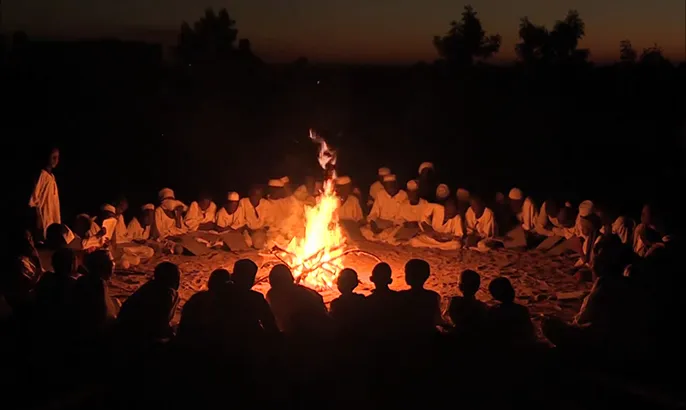
Mythology in Darfur extends beyond storytelling, permeating daily life and influencing rituals, art, and social practices.
- Myths Associated with Agricultural Cycles: For groups like the Masalit, myths might explain the timing of planting or harvesting, accompanied by rituals to honor land spirits. These practices ensure harmony with nature and secure bountiful yields, embedding mythology in the rhythm of seasonal life.
- Role of Mythology in Healing Practices: Traditional healers in Darfur likely draw on mythological narratives, using stories of spirits or ancestors to guide their treatments. Myths might explain the origins of illnesses or the efficacy of certain remedies, blending spiritual belief with practical knowledge.
- Mythological Themes in Art and Music: Darfur’s tradition of craftsmanship—seen in weaving, pottery, and metalwork—may incorporate mythological symbols, such as representations of spirits or heroes. Similarly, music and dance could reenact legendary battles or celebrate divine interventions, keeping these stories alive in performance.
Through these avenues, mythology reinforces cultural identity and provides a framework for understanding and navigating the world.
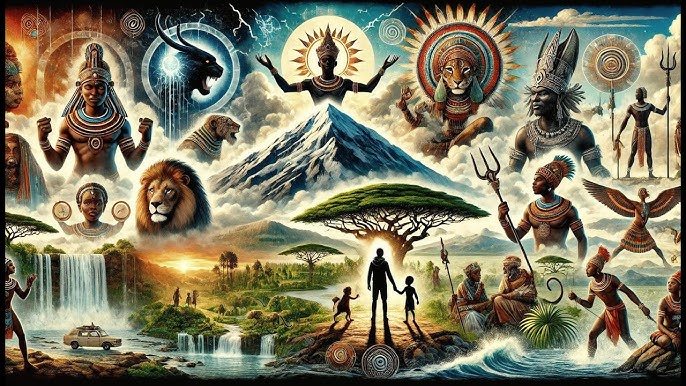
Folklore characters commonly used in story telling
Darfur is home to various ethnic groups, including the Fur, Zaghawa, Masalit, and Arab tribes, each with their own unique folklore. While specific characters may vary across these groups, the following list captures recurring archetypes and figures that reflect the region’s cultural, environmental, and historical context:
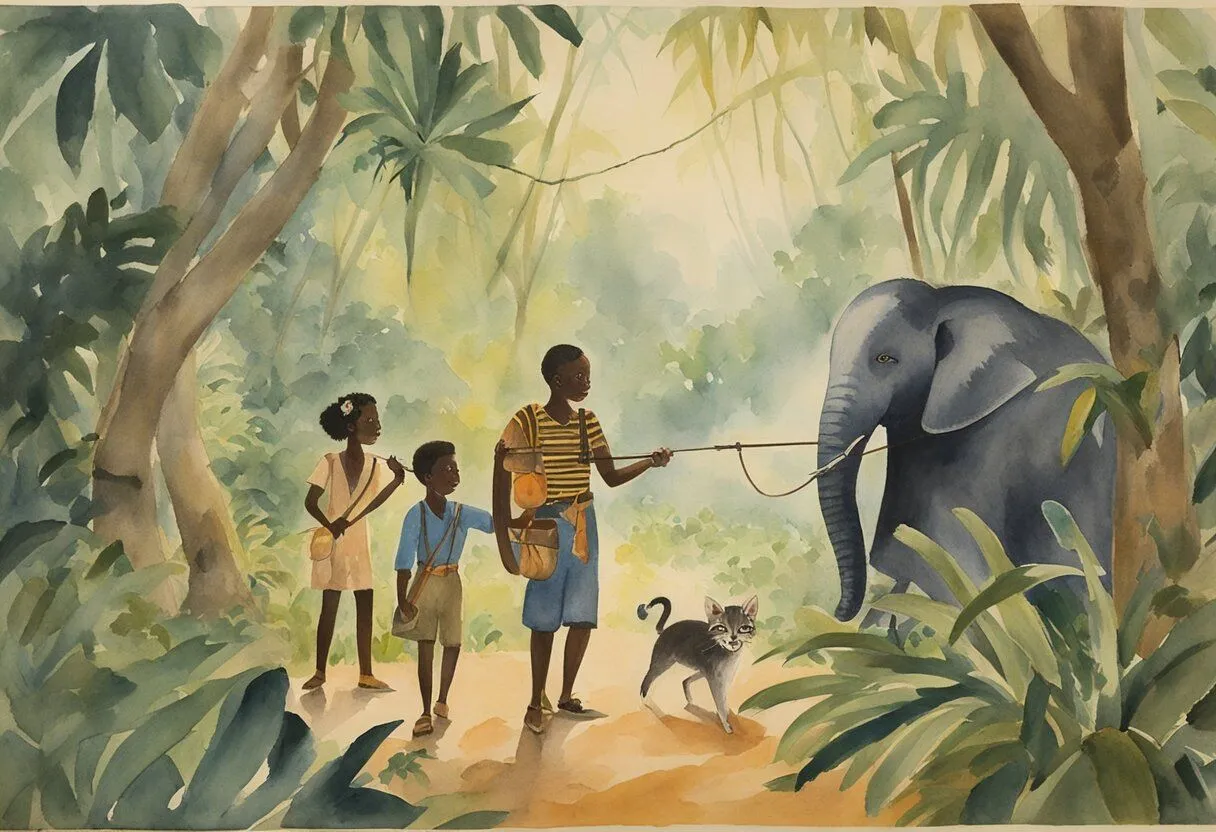
The Trickster
A clever and cunning character, often embodied by an animal like a fox, hare, or spider, who uses wit to outsmart larger or more powerful adversaries. This figure is common in African folklore and likely appears in Darfurian stories to teach lessons about intelligence and resourcefulness.
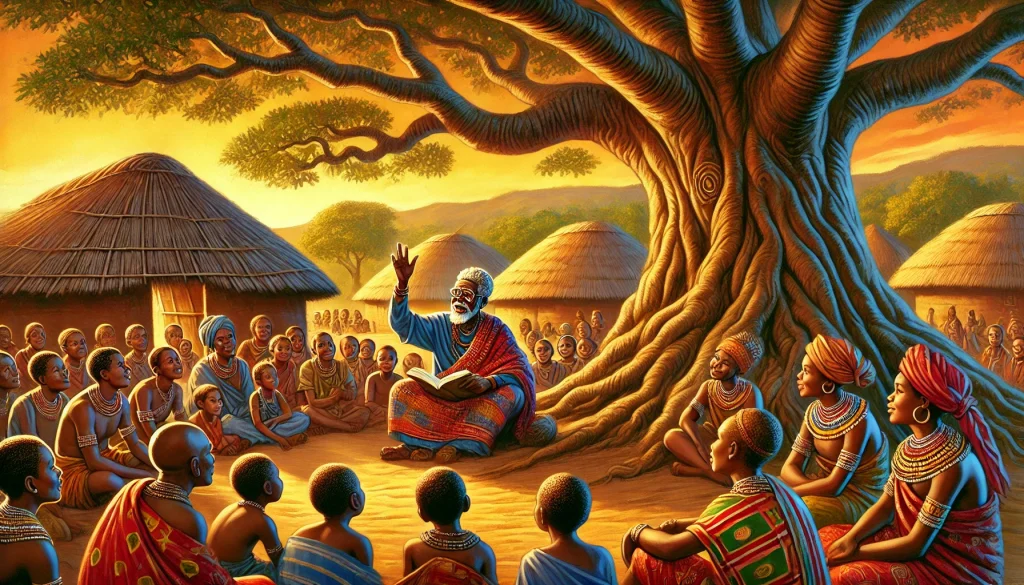
The Wise Elder
A respected figure who passes down oral histories, traditions, and moral lessons. This character often serves as a keeper of knowledge, preserving the community’s heritage through storytelling.
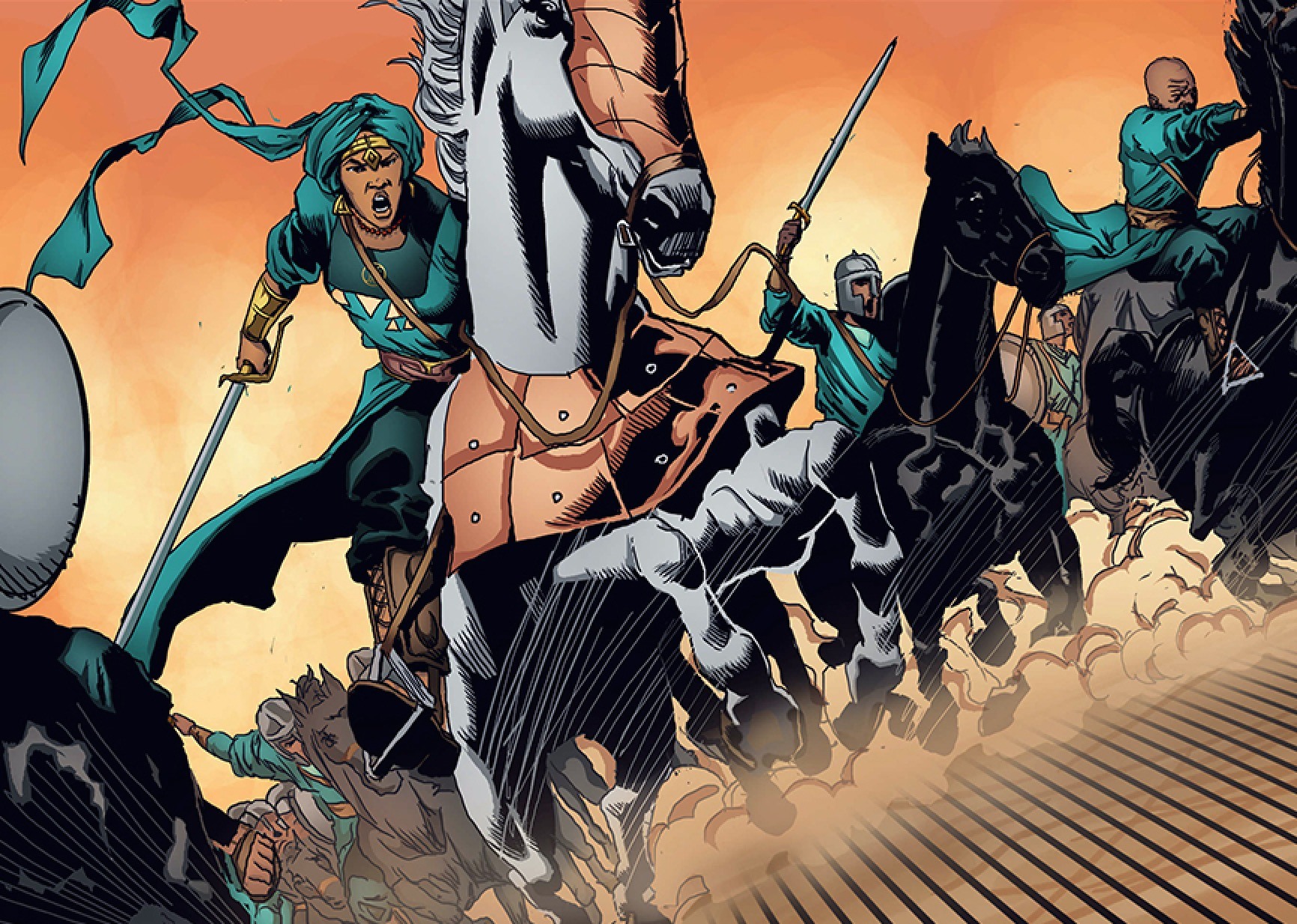
The Heroic Warrior
A brave figure who defends the community from external threats, such as raiders or wild animals. This character embodies strength, courage, and the protection of the group’s way of life.
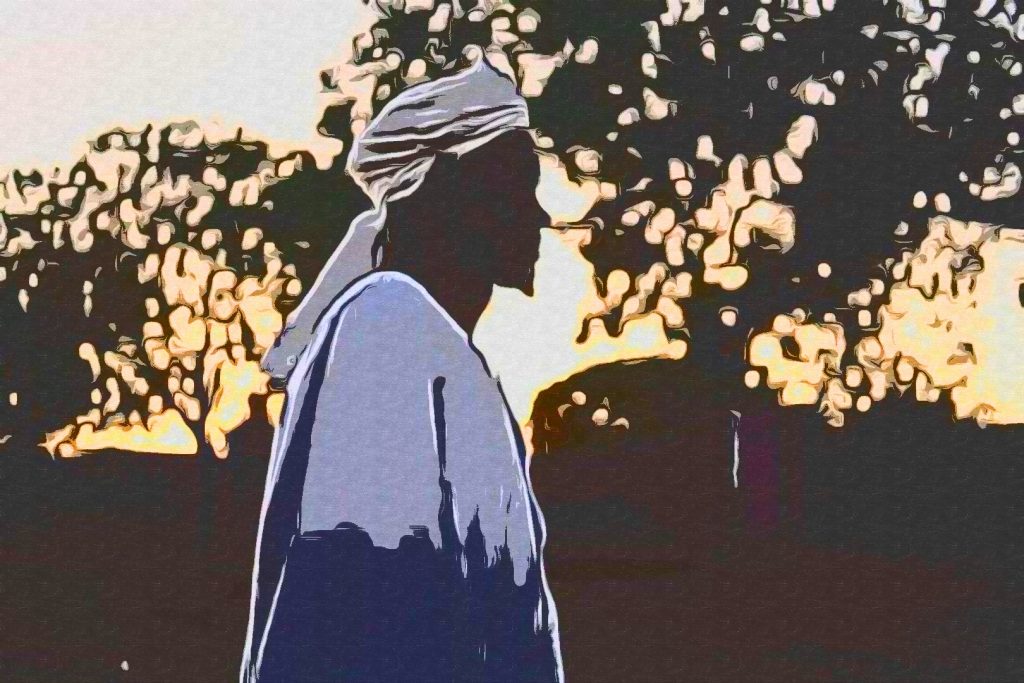
Faki (Holy Healer)
- Ethnic Association: Sufi-influenced groups.
- A spiritual leader and healer who blends Quranic recitations with traditional medicine. The faki is trusted to cure ailments and ward off curses.
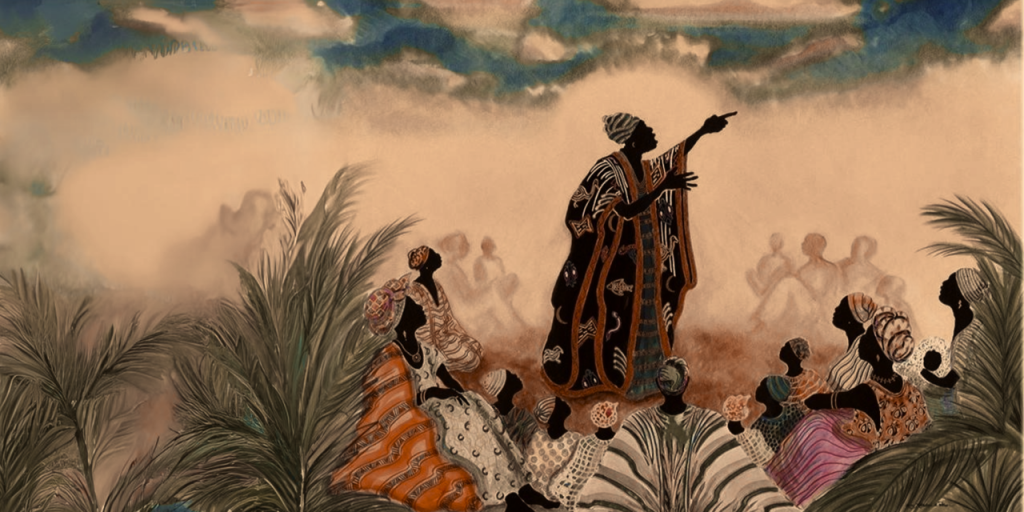
The Wanderer or Displaced Figure
A character who embodies the struggles of displacement and the search for a new home. This figure reflects the region’s history of conflict and migration, symbolizing resilience and hope.

Jinn (Spirits)
- Ethnic Association: Pan-Darfur (syncretized with Islamic beliefs).
- Invisible beings inhabiting natural spaces like trees, wells, or deserts. Some are benevolent (assisting healers), while others are malevolent (causing illness or misfortune).
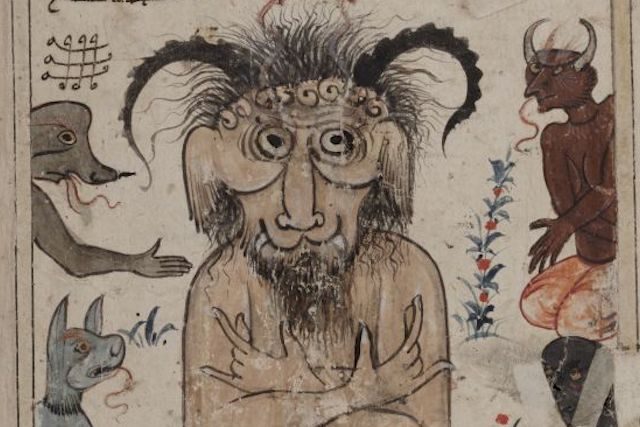
Suleiman’s Jinn (Islamic-Influenced Spirits)
- Ethnic Association: Tunjur, Fur.
- Spirits linked to the legendary King Solomon (Suleiman), believed to guard hidden treasures or sacred sites. Often invoked in protective rituals.
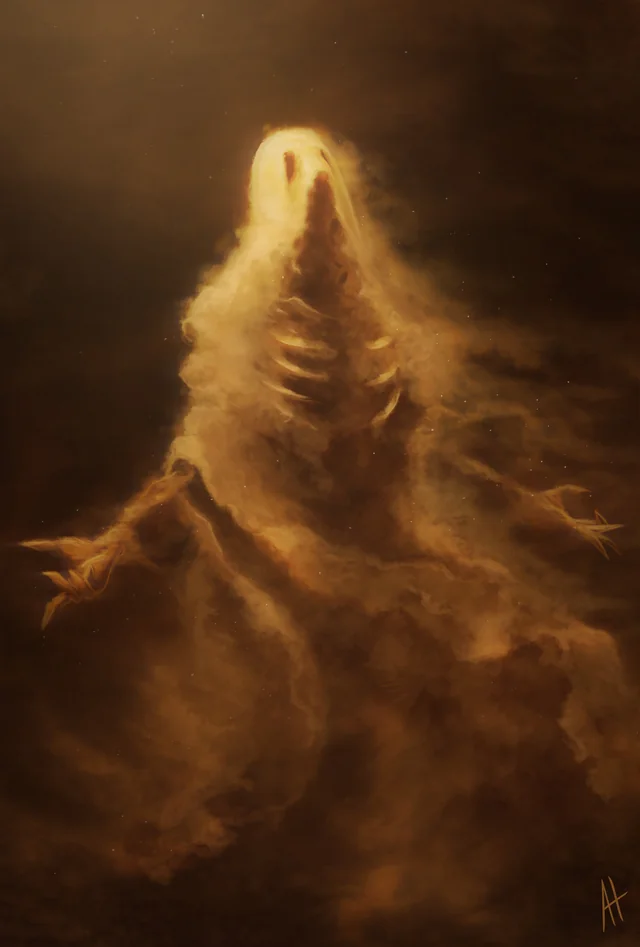
Abu Dukhan (Drought Demon)
- Ethnic Association: Zaghawa, Masalit.
- A malevolent figure blamed for prolonged droughts. Stories warn of his wrath, often countered by communal rituals to restore rain.

Marra (Sacred Snake)
- Ethnic Association: Fur (Jebel Marra).
- A serpentine spirit embodying the life force of Jebel Marra. Killing it is taboo, as it is thought to bring ecological imbalance.
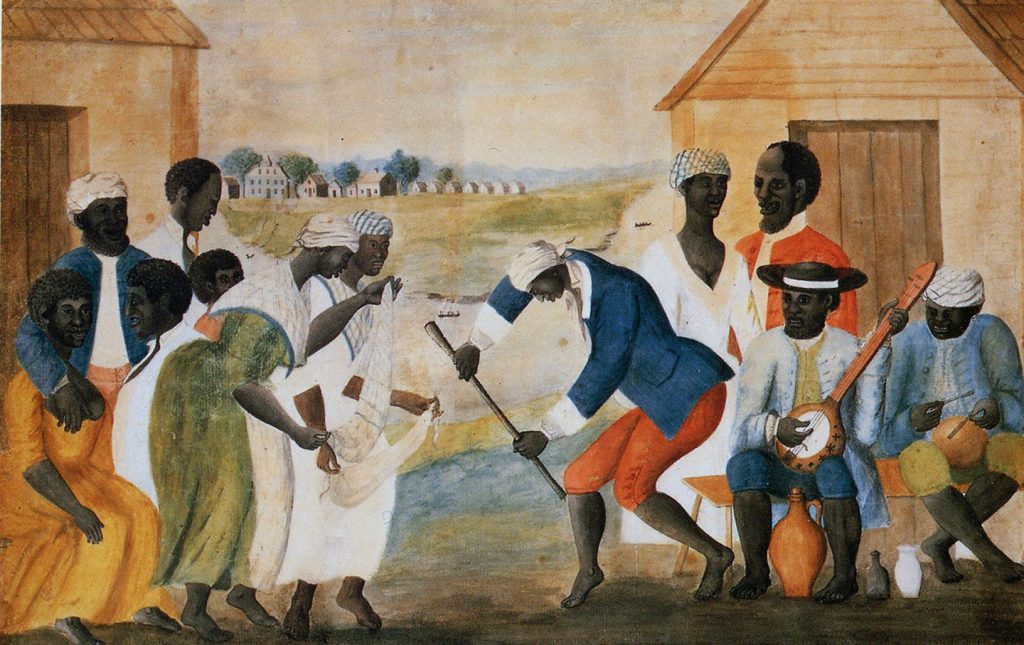
The Cultural Bridge
A character who represents the blending of different ethnic traditions in Darfur. This figure might mediate between groups or symbolize unity in diversity.
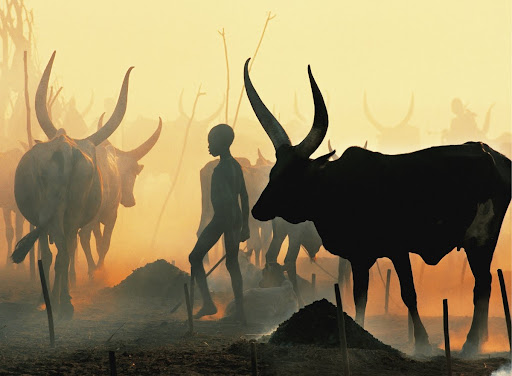
The Cattle Raider
A figure who is both feared and admired for bravery, reflecting the importance of cattle in many Darfurian cultures. This character often appears in stories about herding, livestock, and community honor.
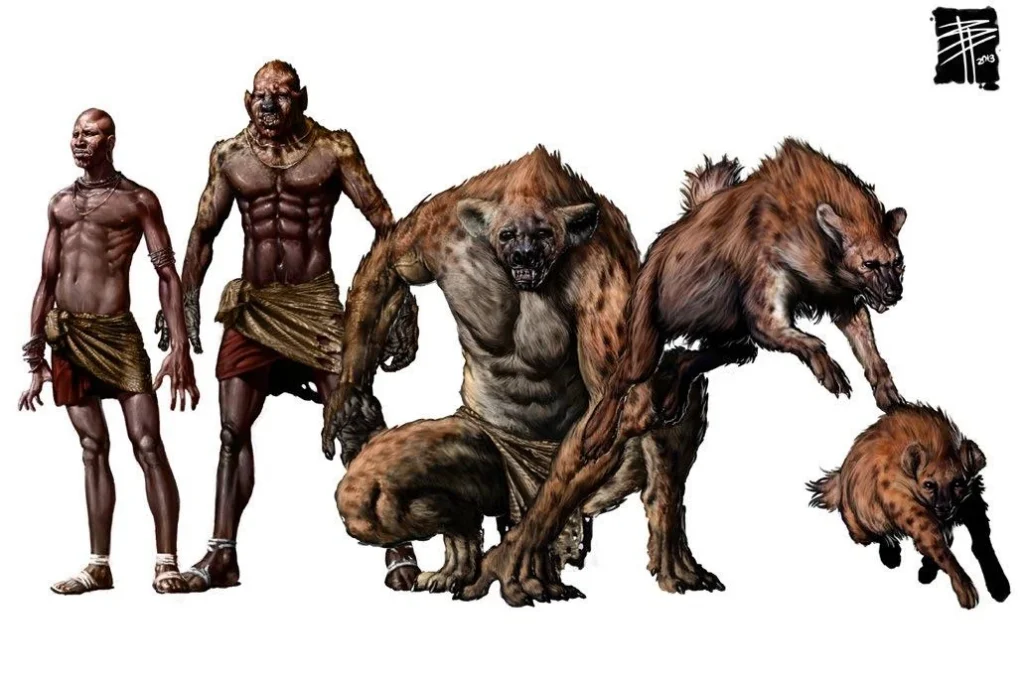
The Shapeshifter
- Ethnic Association: Rural communities.
- Feared figures said to transform into animals (e.g., owls, snakes) to harm enemies. Accusations of Shapeshifters often arise during social tensions.

The Rising Dead
A character who returns to the land of the living after they are pronounced dead and buried. Often returning to the departed’s house or village, often to relay a message.
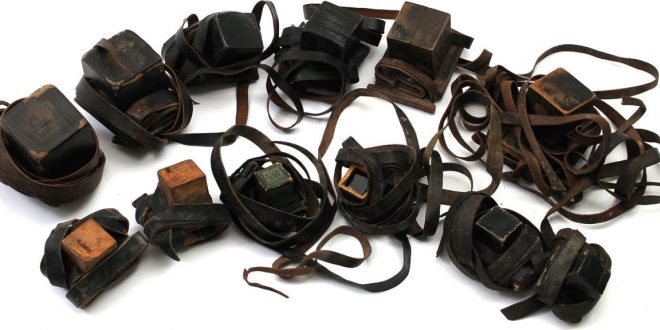
Kujur (Mountain Spirits)
- Ethnic Association: Fur (Jebel Marra region).
- Originally the guardians of sacred mountains like Jebel Marra, associated with fertility and natural abundance. Rituals honor them to ensure rain and harvests. Today, Kujur are used for a variety of purposes but mainly for protection against danger.
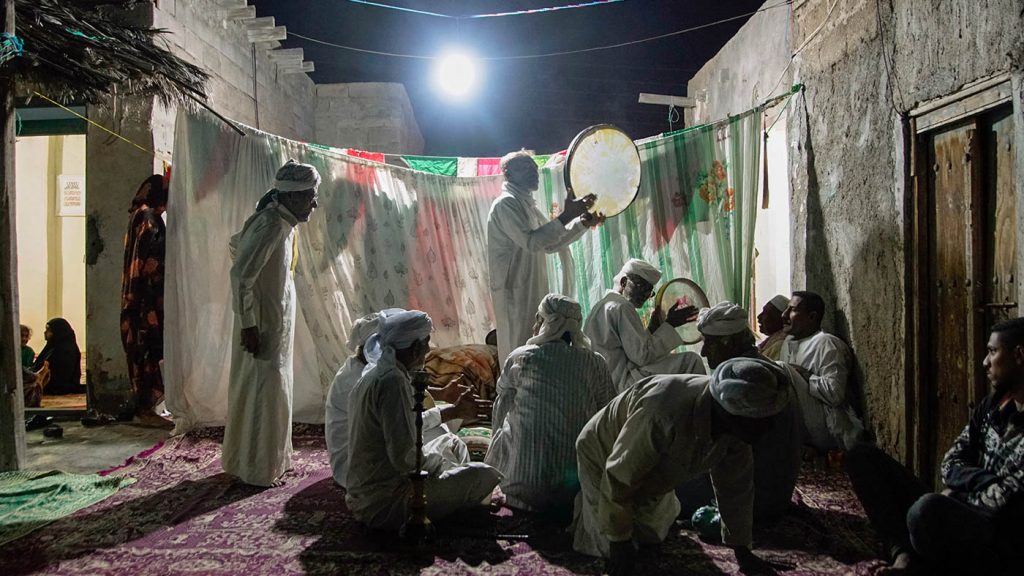
Zar (Possessing Spirits)
- Ethnic Association: Pan-Darfur (linked to healing cults).
- Capricious spirits believed to cause illness or mental distress. Traditional healers perform zar ceremonies to negotiate with these entities.
These characters reflect the diverse cultural influences in Darfur, from indigenous African traditions to Islamic beliefs, and are shaped by the region’s history of resilience, pastoralism, and agriculture. Folklore in Darfur serves not only as entertainment but also as a means of preserving identity, teaching values, and explaining the world.
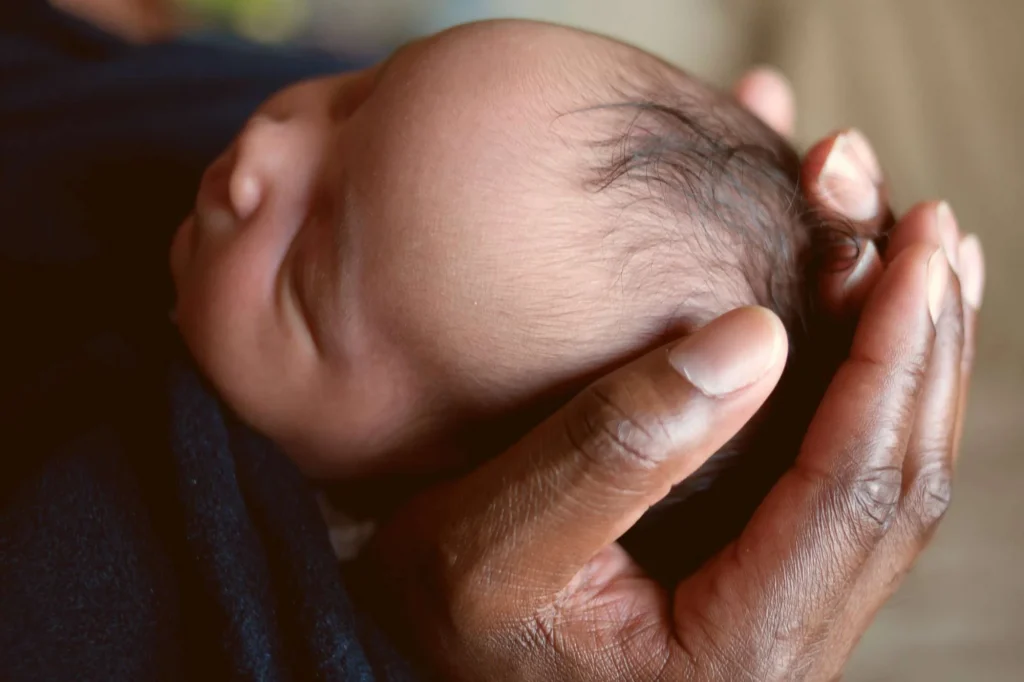
The COVID-19 Baby
During the COVID-19 pandemic lock down, an intriguing myth emerged from a village in Darfur. According to the story, a newborn baby miraculously spoke upon its birth, revealing a purported cure for COVID-19 to its mother. The cure, as conveyed by the infant, involved drinking a cup of unsweetened tea and praying to God for health. This myth quickly gained international attention, reflecting the significant role of mythology and storytelling in the dissemination of information among the diverse communities in Darfur.
The rapid spread of this myth highlights the power of oral tradition and the influence of local beliefs in shaping public perceptions and behaviors. It underscores the importance of understanding cultural contexts when addressing public health crises, as myths and narratives can significantly impact community responses to health interventions.
From a scientific perspective, it is crucial to recognize that while such myths may provide comfort and a sense of control in uncertain times, they should not replace evidence-based medical advice and treatments. The dissemination of accurate health information, supported by scientific research, remains essential for effectively managing and combating infectious diseases like COVID-19.
By examining this myth within the broader context of Darfur’s rich cultural heritage, we can better appreciate the intersection of science, culture, and storytelling in shaping community responses to global health challenges.
Impact of Modernization and Conflict on Mythology
Darfur’s recent decades of conflict, displacement, and modernization have undeniably influenced its mythological traditions. Yet, the resilience of oral storytelling suggests that these narratives endure, albeit in evolving forms.
- Loss and Transformation: The violence and displacement that have affected millions in Darfur may have disrupted the transmission of some myths, as communities were uprooted and elders—key keepers of oral tradition—lost their roles. However, myths often adapt, incorporating themes of survival and hope to reflect contemporary struggles.
- Mythology as a Source of Identity: In times of crisis, mythology can serve as a vital link to the past, offering comfort and a sense of continuity. Stories of heroic ancestors or divine protection might bolster resilience among displaced populations, reinforcing their cultural roots despite adversity.