

The culture of Darfur is a vibrant mosaic, woven from centuries of tradition, oral history, and shared community rituals. Steeped in a legacy of resilience and creativity, Darfur culture encompasses a dynamic array of art, music, literature, cuisine, and spiritual practices. It not only reflects the region’s historical journey but also serves as a powerful medium for social unity and identity. At Darfur 2030, we celebrate the cultural expressions that bind communities together and inspire future generations.
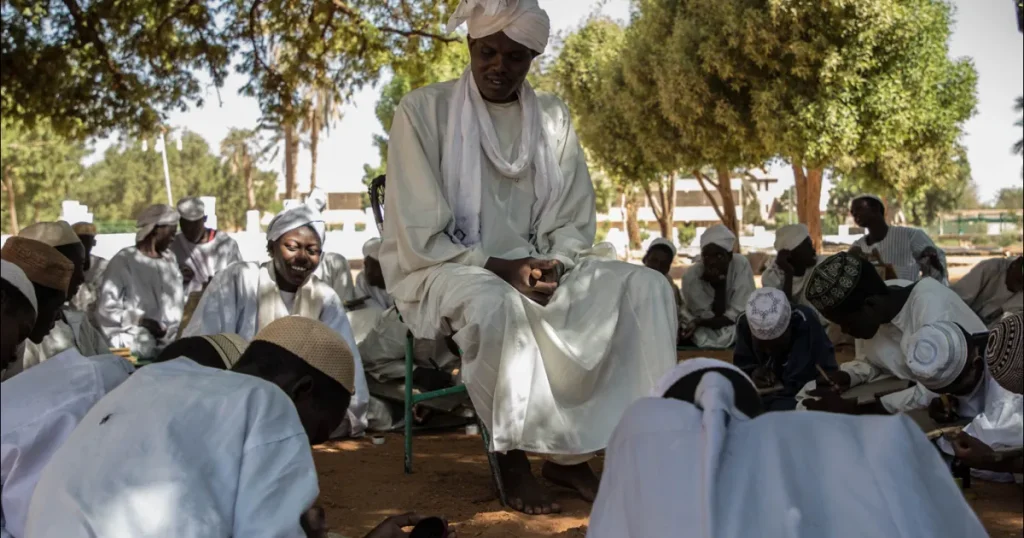
Historical Roots and Oral Traditions
Passing on the Legacy
- Oral Storytelling: For generations, oral storytelling has been at the heart of Darfur culture. Elders recount heroic epics, ancestral wisdom, and moral lessons in the form of poetry, song, and drama. These narratives preserve the collective memory and teach values such as courage, hospitality, and resilience.
- Cultural Symbols: Ancient symbols, rituals, and myths have been passed down through family lineages and community ceremonies. They act as a bridge between the past and the present, influencing everything from religious practices to daily customs.
Artistic Expressions
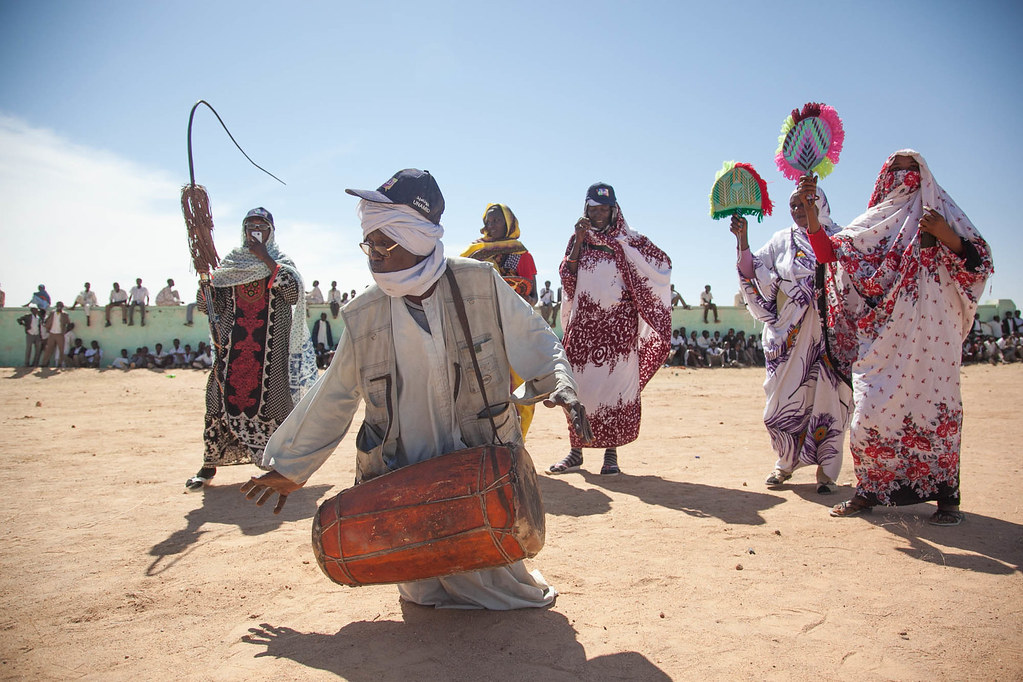
Craft, Music, and Dance
- Visual Arts and Handicrafts: Darfur artisans are renowned for handwoven textiles, intricate pottery, decorative metalwork, and wood carvings. These crafts embody traditional motifs and techniques that have been refined over centuries—reflecting both the practical and aesthetic sensibilities of the people.
- Music and Dance: Music is a powerful force in Darfur society. Traditional instruments, from drums to stringed instruments, create rhythmic sounds that accompany rituals, celebrations, and communal gatherings. Dance, an integral part of many festivals, brings communities together, showcasing indigenous movements that celebrate life, harvests, and ancestral heroes.
- Literature and Poetry: Poetry, often recited in communal settings or during celebrations, plays an important role in articulating the collective emotions of the people. This rich oral literature not only preserves historical events but also inspires social commentary and personal reflection.
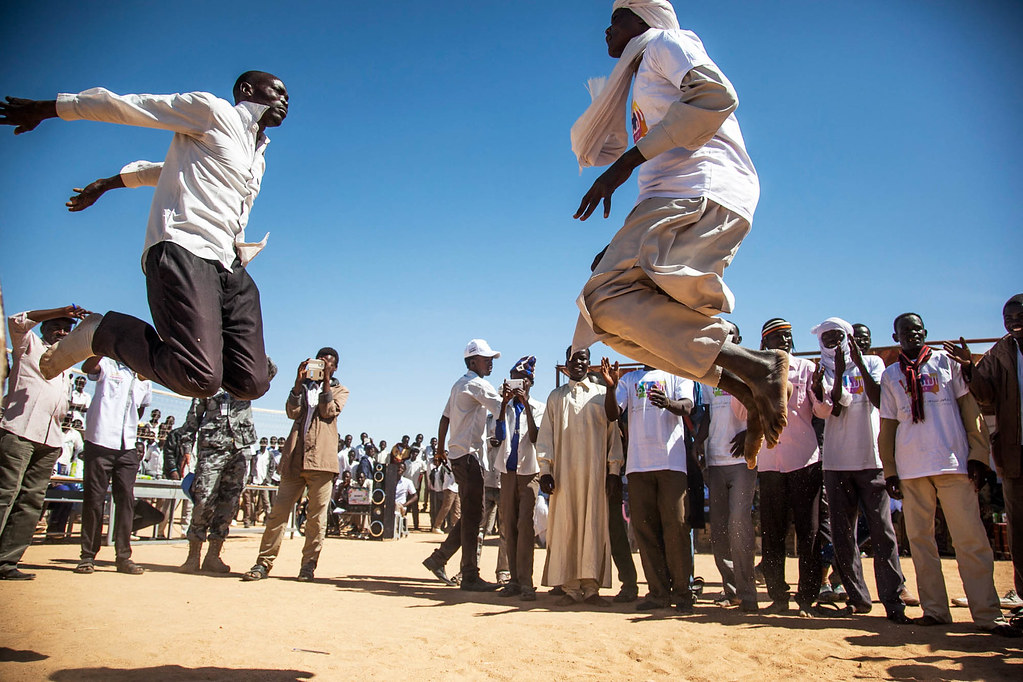
Festivals, Rituals, and Celebrations
A Time for Community and Renewal
- Annual Festivals: Celebrations throughout the year—marked by music, dance, traditional foods, and communal ceremonies—reinforce cultural bonds. These festivals honor seasonal cycles, harvests, and religious events, providing time for collective joy and remembrance of shared heritage.
- Rituals and Ceremonies: Rituals, often linked to rites of passage or agricultural cycles, are imbued with spiritual significance. They ensure that the values, beliefs, and customs of Darfur continue to resonate within the community, anchoring individual identity in the broader cultural narrative.
Cuisine and Traditional Practices
A Taste of Heritage
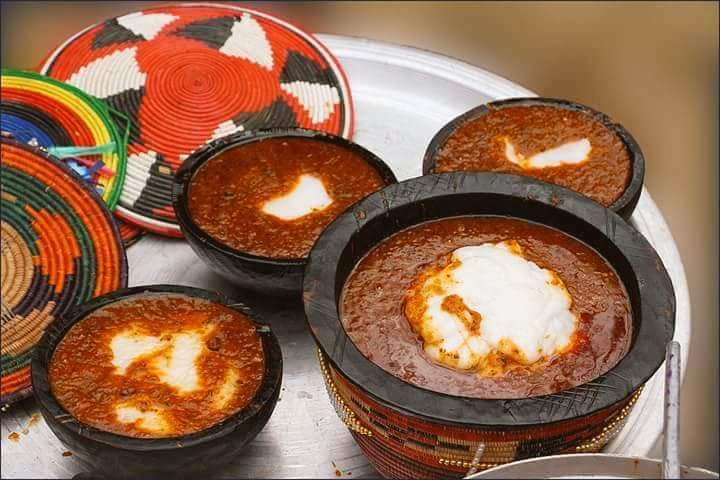
- Local Ingredients and Traditional Dishes: Darfuri cuisine is a celebration of flavors derived from locally sourced ingredients. Staples such as millet, sorghum, and legumes form the basis of nourishing meals, complemented by spices, herbs, and natural condiments that lend unique regional tastes.
- Cooking Techniques: Traditional methods—such as open-fire cooking, slow simmering in clay pots, and the art of fermentation—are not only practical but also serve as a cultural ritual. These culinary practices preserve the nutritional, cultural, and historical essence of the region.
Contemporary Cultural Evolution
Honoring Tradition While Embracing Innovation
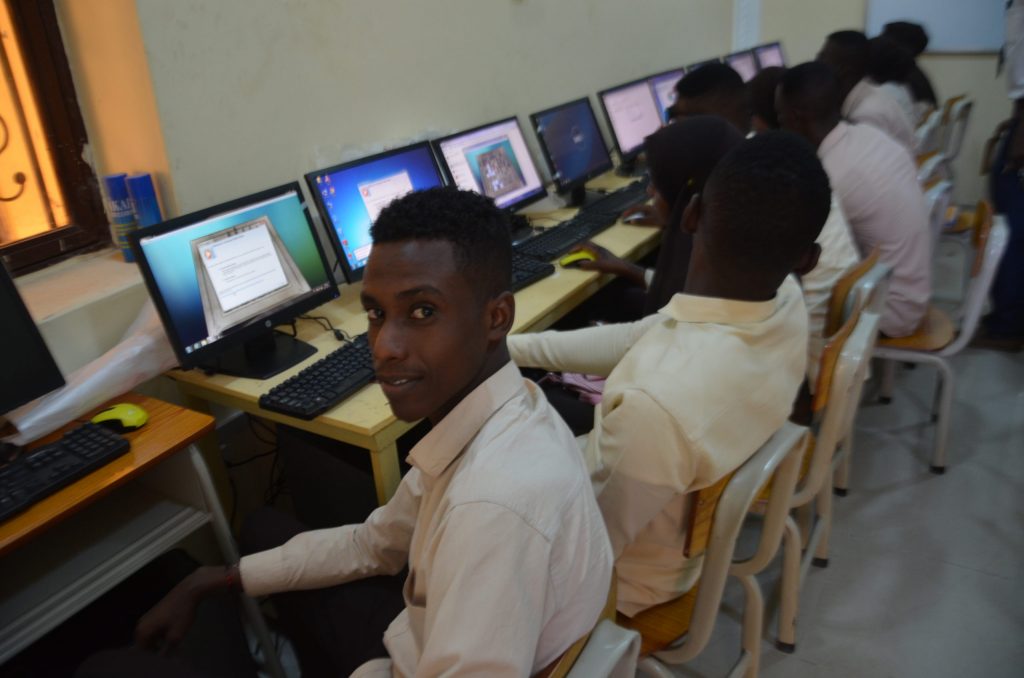
- Modern Adaptations: While deeply rooted in tradition, Darfur culture is continually evolving. Digital platforms, social media, and cultural festivals now play a role in promoting indigenous art, music, and literature to broader audiences—both locally and globally.
- Education and Cultural Initiatives: Local cultural centers, museums, and educational programs ensure that the richness of Darfur heritage is preserved and passed on to younger generations. Initiatives that document oral histories and traditional practices are creating new archives of cultural knowledge for the future.
The culture of Darfur is a dynamic narrative—one that celebrates the past, enriches the present, and inspires the future. It is a testimony to human creativity, resilience, and the power of shared traditions in forging strong, vibrant communities. At Darfur 2030, we invite you to immerse yourself in this rich cultural landscape, explore its many facets, and join us in preserving the legacy of a people whose spirit shines through in every story, song, and celebration.