

Darfur’s ancient geological foundations have endowed the region with a wealth of mineral resources that have long attracted interest from local communities, explorers, and external investors. At Darfur2030.org, we delve into the historical significance, current challenges, and prospects of mining in Darfur. This page examines how responsible extraction, and sustainable practices can unlock economic growth while preserving the natural and cultural heritage of the region.

Historical Perspective
Traditional Practices and Early Extraction
- Ancient Resource Gathering: Archaeological records and oral histories reveal that communities in Darfur have long recognized the value of the land’s natural endowments. Early inhabitants gathered stones for building, naturally occurring pigments for art, and raw materials for tool making.
- Colonial Exploitation and Shifting Priorities: During the colonial era, European powers introduced organized methods of extraction to tap into Darfur’s mineral wealth. These practices, however, often disregarded local knowledge and environmental sustainability, laying the groundwork for long-term challenges that persist today.
Contemporary Mining Landscape
Mineral Wealth and Economic Potential
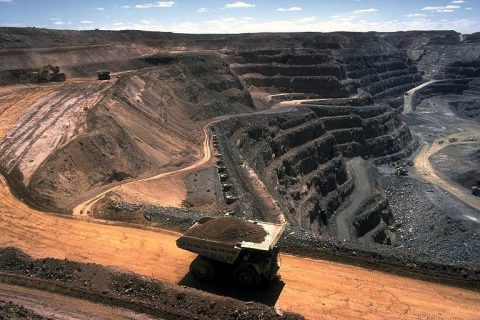
- Diverse Mineral Resources: Darfur is believed to hold deposits of various minerals, including precious metals like gold, base metals such as copper, and industrial minerals like limestone and clay. These resources, if managed sustainably, offer significant potential for economic development and job creation in the region.
- Modern Extraction Methods: Today, advancements in technology and increased global demand for minerals provide opportunities for modern mining operations. Improved exploration techniques, such as satellite imagery and remote sensing, help identify resource-rich sites while reducing unnecessary environmental disruption.
Challenges and Considerations
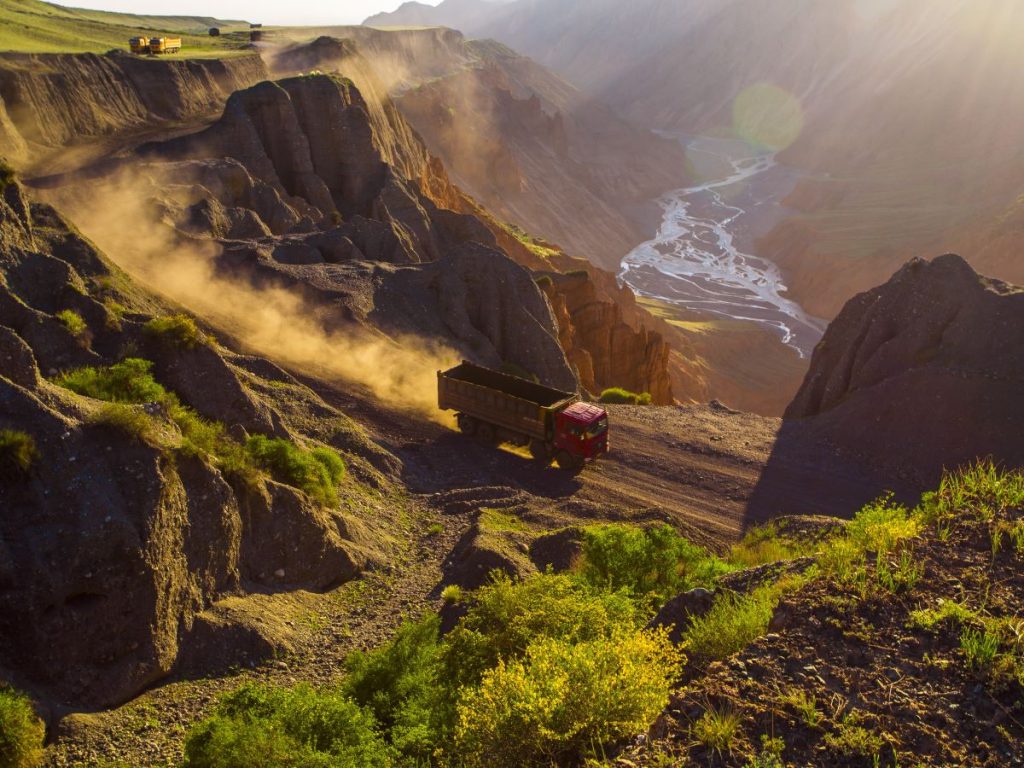
- Environmental Impact: Mining activities, by their nature, pose risks such as habitat destruction, soil erosion, and water contamination. Balancing resource extraction with environmental protection is critical to maintaining the delicate ecosystems of this arid region.
- Community Involvement and Social Equity: Historically, local communities have borne the negative impacts of mining without reaping its benefits. Today, there is a strong push for inclusive practices that ensure community participation in decision-making, fair compensation, and reinvestment in local infrastructure and services.
- Regulatory Frameworks and Transparency: Establishing clear, robust regulatory frameworks is essential for ensuring responsible mining. Transparent licensing, rigorous environmental assessments, and consistent monitoring are vital to safeguard both the natural environment and the interests of local stakeholders.
Sustainable Mining Practices
Integrating Tradition with Innovation
- Eco-Friendly Technologies: Modern mining technologies, such as low-impact extraction methods and state-of-the-art waste management systems, can significantly reduce the environmental footprint of mining activities. Practices like reclaiming mined land and rehabilitating ecosystems are now part of a more holistic approach to resource development.
- Community-Based Initiatives: Empowering local communities through partnerships and joint ventures in mining projects can transform resource extraction into an engine for sustainable growth. By training local labor, establishing cooperatives, and engaging in culturally sensitive development, the mining sector can contribute positively to the region’s economic and social well-being.
- Policy Reforms and International Collaboration: Ongoing dialogue among government entities, private investors, local communities, and international organizations is crucial. Such collaborative efforts help create policies that encourage responsible mining, ensure equitable revenue sharing, and foster investment in sustainable technologies.
Vision for the Future
Balancing Economic Growth with Environmental Stewardship
The future of mining in Darfur hinges on building a model that marries economic opportunity with environmental and social responsibility:
- Inclusive Economic Development: By emphasizing sustainable practices and ensuring local participation, mining can become a cornerstone of rural development—enhancing infrastructure, creating jobs, and contributing to long-term prosperity.
- Long-Term Environmental Management: Responsible mining initiatives must incorporate ongoing environmental monitoring and rehabilitation plans. Reforestation, water conservation, and soil recovery strategies will be integral to mitigating the ecological impact of mining activities.
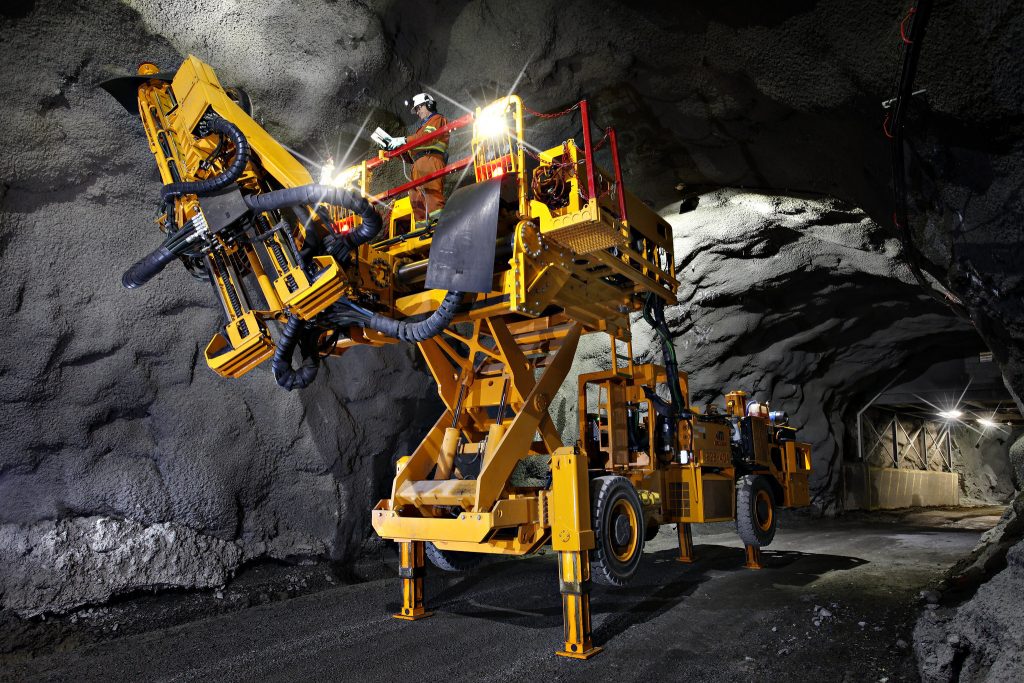
- Innovation as a Catalyst: Investing in research and development to refine extraction techniques, while preserving traditional knowledge and practices, can position Darfur as a leader in sustainable mining—a model that other regions may well follow.
The mining sector in Darfur stands at a crossroads. With abundant mineral resources and a rich history of resource utilization, the region has significant potential to harness mining as a driver of economic growth and development. However, meeting this potential requires a delicate balance—were modern technology and robust regulatory frameworks honor traditional practices and environmental stewardship. At Darfur 2030, we remain committed to exploring how these integrated approaches can transform mining into a sustainable pathway toward a brighter, more equitable future for Darfur.