

Darfur’s handicrafts offer a window into a vibrant cultural legacy steeped in history, creativity, and resilient community traditions. Every woven textile, carved wooden artifact, and hand-forged piece of jewelry tells a story of art rooted deeply in the land’s history. At Darfur 2030, we celebrate this rich artisanal heritage—one that not only serves as an expression of cultural identity but also holds immense potential to power economic empowerment and sustainable development in modern times.
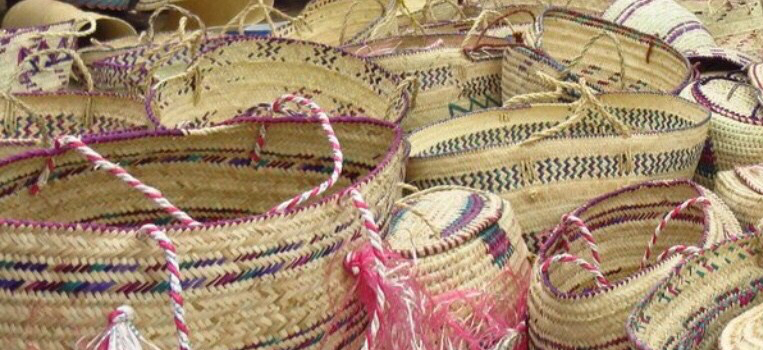
Traditional Techniques and Cultural Heritage
A Legacy Preserved Through Generations
For centuries, Darfuri communities have honed their craft using methods uniquely adapted to their environment and way of life. These time-honored techniques include:
- Hand-Weaving and Textile Production: Using locally sourced fibers and traditional looms, artisans create striking fabrics that feature intricate patterns and culturally significant motifs. These textiles are not only used for everyday garments but also for ceremonial attire, reflecting the deep connection between art and identity.
- Pottery and Ceramic Art: Potters and ceramic artists utilize natural clays and traditional firing techniques to produce functional and decorative earthenware. These vessels are essential in daily life and are imbued with stories passed on through generations.
- Leather Crafting and Wood Carving: Skilled artisans transform raw hides and locally harvested wood into durable goods—from footwear and bags to decorative carvings and household items. These crafts demonstrate both practicality and artistic expression, blending form with function.
- Jewelry and Metalwork: Using indigenous metals and traditional forging methods, craftsmen produce intricate jewelry and decorative objects that have come to symbolize the artistic soul of Darfur. These items often celebrate cultural motifs and serve as cherished heirlooms.
Cultural Significance
Beyond their economic value, handicrafts in Darfur are deeply interwoven with community identity, heritage, and social rituals. They are a medium through which local histories and beliefs are communicated, preserving ancestral knowledge and fostering a strong sense of pride among communities.
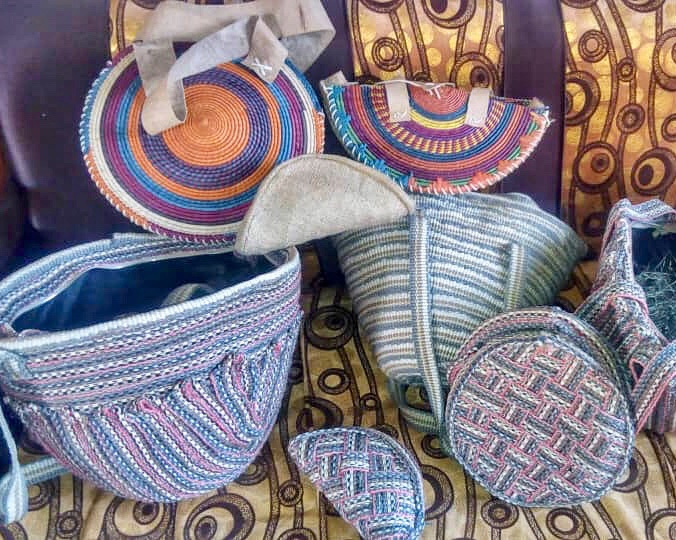
Modern Adaptations and Market Integration
Bridging Traditions and Innovation
As the world evolves, so do the methods of production and distribution. Modernizing Darfur’s handicraft sector involves integrating new technologies and market strategies while preserving the authenticity and cultural significance of traditional crafts:
- Upgrading Production Techniques: Introducing energy-efficient tools and improved workspace designs can enhance productivity without sacrificing traditional methods. For example, modern looms and precision carving tools are being adapted to support artisanal work as a complement to handcrafting.
- Quality Control and Packaging: Innovations in packaging—such as eco-friendly materials and modern design aesthetics—can help protect delicate crafts, improve shelf life, and add value, making them more competitive in global markets.
- Digital Connectivity for Market Access: E-commerce platforms, social media marketing, and online marketplaces provide unprecedented access to new consumer bases. Artisans can now showcase their work to a global audience, telling the unique story behind each handcrafted item and forging direct connections with buyers.
- Capacity Building and Training: Community-led workshops and partnerships with non-governmental organizations are equipping local artisans with new business skills and technical know-how. These initiatives support knowledge exchange while helping artisans adapt to modern business practices.
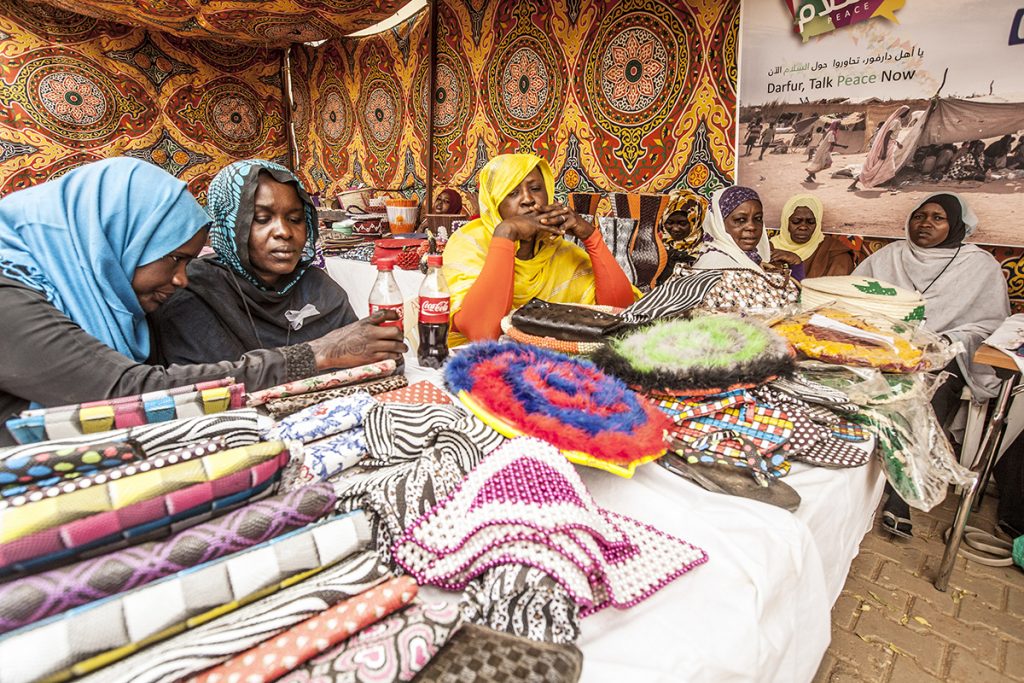
Economic Empowerment and Sustainable Development
By merging traditional craft techniques with modern market dynamics, the handicraft sector can drive economic diversification and sustainable growth in Darfur:
- Job Creation and Income Generation: Enhancing the handicraft value chain creates employment opportunities, particularly for women and youth, and strengthens the local economy.
- Cultural Tourism and Branding: Handicrafts serve as a compelling element of cultural tourism. By branding authentic Darfuri products, communities can attract visitors interested in heritage and craftsmanship, thereby generating further income and investment.
- Environmental Stewardship: Traditional methods, which rely on natural and locally sourced materials, can be sustainably managed. Integrating eco-friendly practices into modern production reinforces a commitment to environmental preservation and responsible resource use.
The handicrafts of Darfur are a powerful testament to the art, resilience, and enduring cultural heritage of the region. By embracing innovative approaches that integrate traditional techniques with modern technology and open market access, Darfur’s artisan sector is poised to not only preserve its timeless legacy but also drive economic empowerment and sustainable development for future generations.