

Food processing in Darfur has long been an essential activity that not only preserves the bounty of the land but also reinforces community identity and cultural traditions. Rooted in practices developed over generations, traditional food processing methods have sustained local populations and fostered a rich culinary heritage. As the region looks toward economic modernization and sustainable development, these time-tested techniques offer both inspiration and practical solutions for enhancing today’s food processing sector.
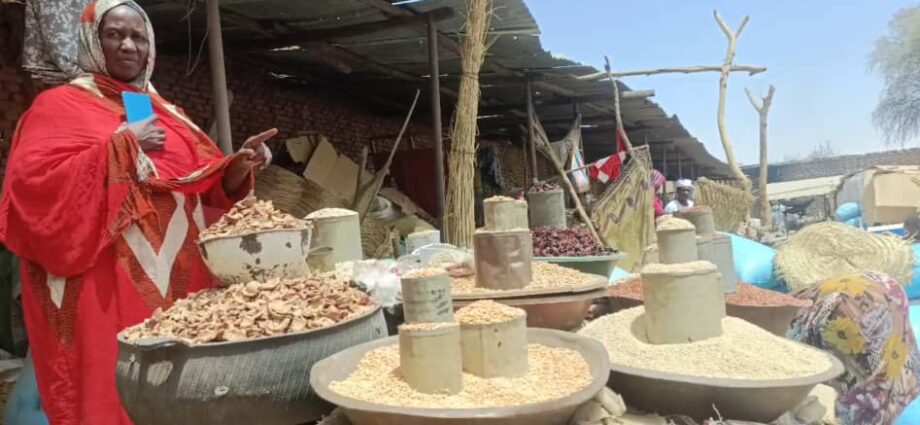
Traditional Methods and Their Cultural Significance
Time-Honored Techniques
For centuries, communities in Darfur have mastered a range of food processing techniques that are uniquely suited to the local environment:
- Sun-Drying and Smoking: In a landscape defined by abundant sunshine and arid conditions, sun-drying has been a vital method for preserving grains, fruits, and meats. Smoking, similarly, has added flavor while extending the shelf life of meat and fish, creating signature food products that are celebrated both for their taste and cultural importance.
- Fermentation: Fermentation techniques are integral to producing traditional staples—such as sour porridges and fermented milk-based beverages—that not only enhance flavors but also improve nutritional value through the production of probiotics and enhanced digestibility.
- Grinding and Milling: Traditional stone milling processes have been used to transform grains like sorghum and millet into flour. This method, while labor-intensive, retains the intrinsic flavors and nutrients of the grain, reflecting the community’s dedication to quality and tradition.
- Herbal Preservation and Spicing: Utilizing indigenous herbs and spices, communities have long preserved foods and enhanced their taste. These methods not only protect food from spoilage but also encapsulate the culinary aromas and flavor profiles unique to Darfur.
Cultural and Economic Importance
These traditional methods are more than practical techniques:
- They represent a deep connection to the land and ancestral wisdom.
- They serve as living testimonies to community ingenuity, passed down from generation to generation.
- They provide a source of local pride and identity, shaping culinary culture and offering unique products that have market potential beyond local boundaries.

Modernization and Sustainable Integration
Opportunities to Enhance Traditional Methods
As food processing evolves globally, there exists a tremendous opportunity to adapt these traditional practices to modern settings. Here’s how modern technologies can enhance and scale these techniques while retaining their cultural essence:
- Improved Drying Technologies: Solar-powered dryers and controlled-environment dehydration units can increase efficiency and product consistency while still honoring the natural drying methods that have been traditionally used. These innovations help reduce spoilage and extend the market reach of sun-dried products.
- Hygienic Fermentation Processes: Integrating modern food safety standards and controlled fermentation environments can boost product reliability and allow traditional fermented foods to meet regulatory requirements for broader distribution. This approach ensures that the health benefits are maximized without compromising the authentic taste.
- Hybrid Milling Equipment: Upgrading traditional stone mills with modern milling technology, such as energy-efficient hammer mills and roller mills, can improve throughput while retaining the nutritional integrity of the flour. Such innovations support local processing while reducing labor intensity.
- Packaging and Preservation Innovations: Modern packaging solutions, including vacuum-sealing and modified atmosphere packaging (MAP), can significantly extend the shelf life of traditionally processed foods. This not only minimizes waste but also opens opportunities for export and integration into larger supply chains.
Integrating Modern Supply Chains
- Digital Market Access: Linking traditional food producers with broader digital marketplaces can expand distribution channels, add value to cultural products, and create new revenue streams. Mobile apps and e-commerce platforms can help farmers and small-scale processors connect with consumers and retailers beyond local markets.
- Sustainable Investments: Collaboration with government agencies, NGOs, and international partners can lead to investments in processing facilities that are environmentally sustainable and culturally sensitive. Training programs and capacity-building initiatives can ensure that local communities are equipped to operate modern processing technologies while preserving traditional methods.
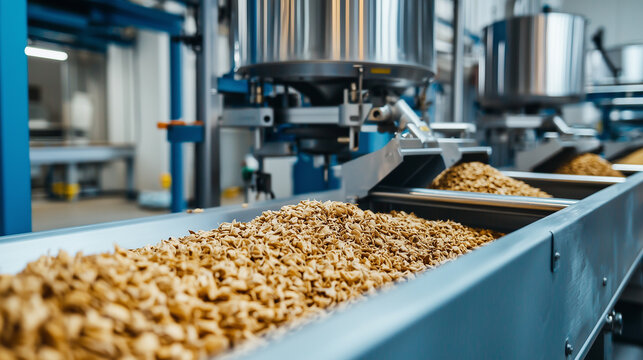
Vision for the Future
Looking ahead, the modernization of Darfur’s food processing sector offers a promising path forward:
- Culturally Rooted Innovation: By blending traditional techniques with modern technology, Darfur can create a niche market for high-quality, sustainably processed foods that celebrate local heritage while appealing to global consumers.
- Economic Empowerment: Enhanced food processing capabilities can stimulate local economies, create jobs, and boost rural development. This inclusive growth would empower communities to build on their traditional strengths and secure economic resilience.
- Environmental Stewardship: Sustainable processing practices that integrate renewable energy and waste reduction techniques will help safeguard Darfur’s natural resources. Preserving the environment is intrinsic to maintaining a legacy of traditional land stewardship.
The future of food processing in Darfur lies in the harmonious integration of age-old techniques with modern innovations. Traditional methods—steeped in cultural significance and proven effectiveness—provide a powerful foundation upon which a sustainable, vibrant food processing sector can be built. Darfur 2030 champions this integration, celebrating the region’s rich culinary heritage while actively exploring pathways for economic modernization and environmental resilience.