


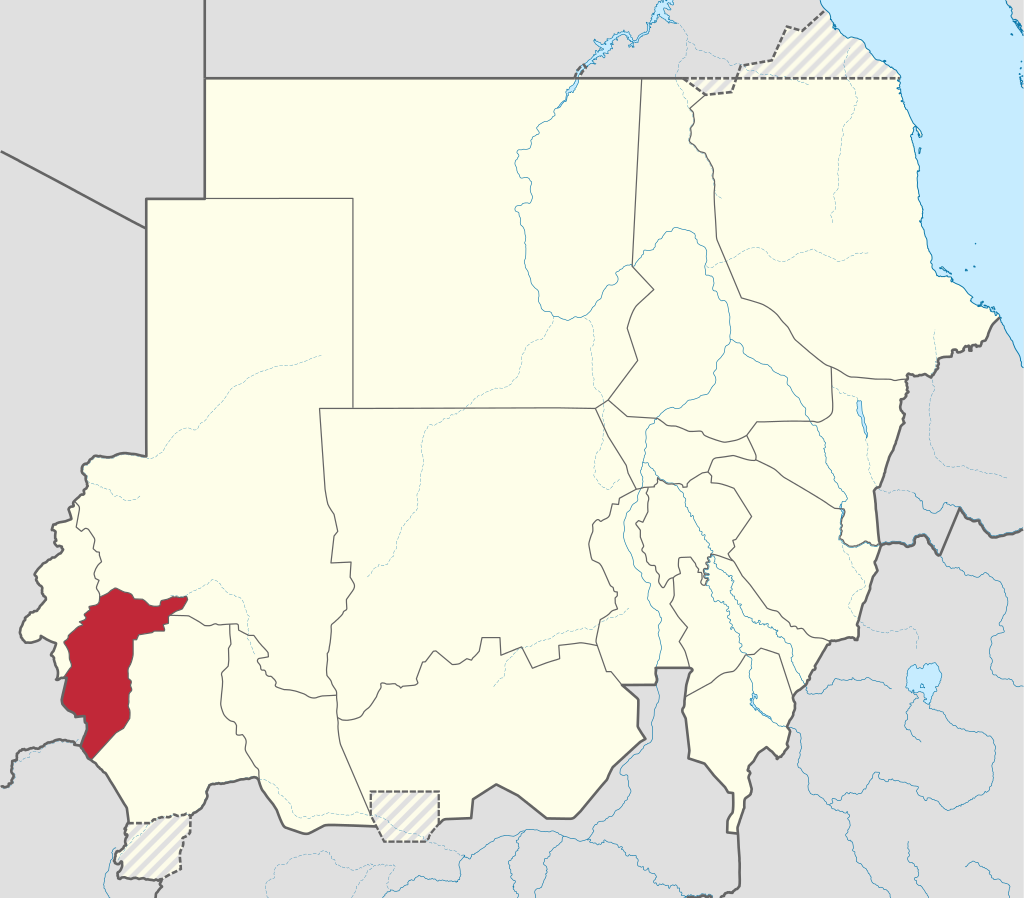
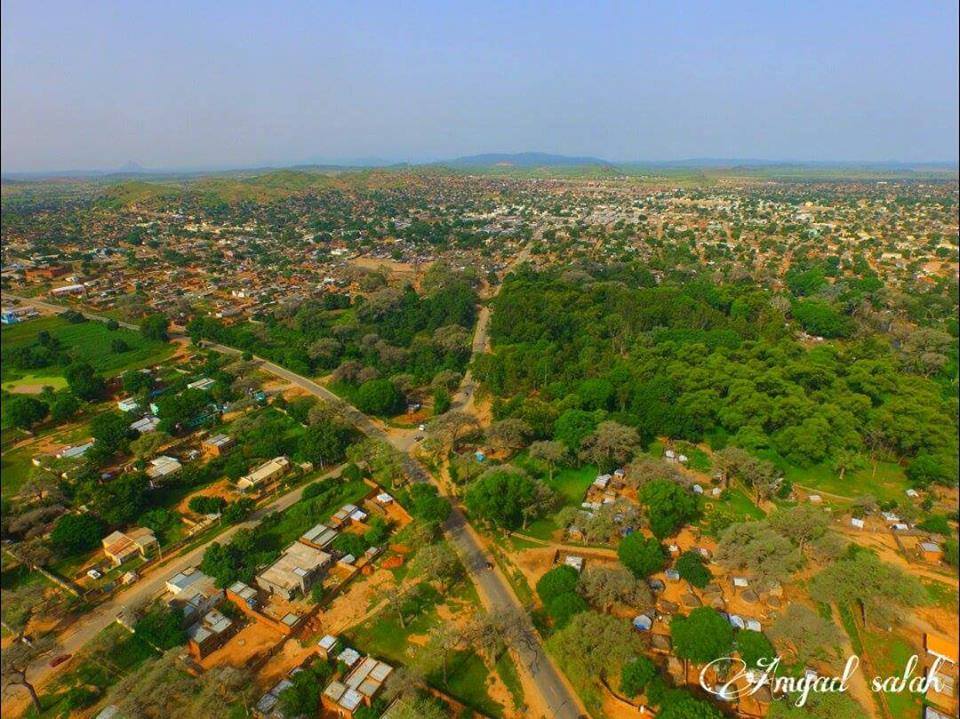
Central Darfur state is a state in south-western Sudan, and one of five comprising the Darfur region. It was created in January 2012 as a result of the ongoing peace process for the wider Darfur region. The state capital is Zalingei. The state was formed from land that had been part of the states of West Darfur and South Darfur. Central Darfur covers around 38,344 square kilometers and a population of 2,499,000.
Geography and Environment
The central region is defined by its geographical diversity and natural wealth:
- Strategic Location: Nestled between diverse terrains, Central Darfur offers both plains conducive to agriculture and areas where pastoral traditions have thrived over centuries.
- Resource-Rich Landscapes: The abundance of natural resources, from fertile soils near riverbanks to scattered woodlands, provides a foundation for both time-honored practices and innovative ventures related to sustainable land management.
- Climate and Adaptation: The region’s climate challenges many communities to adjust continuously—spurring local ingenuity, from water conservation measures to integrated farming techniques designed to harmonize with the natural environment.
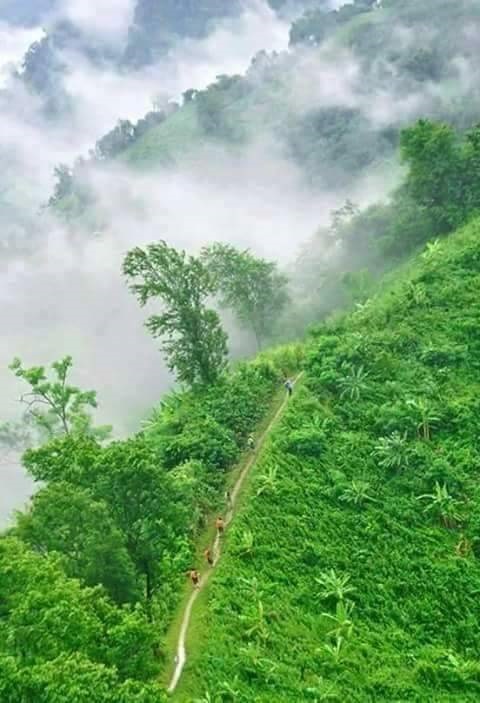
- Jebel Marra Mountain Range: Central feature offering fertile soils and a temperate climate.
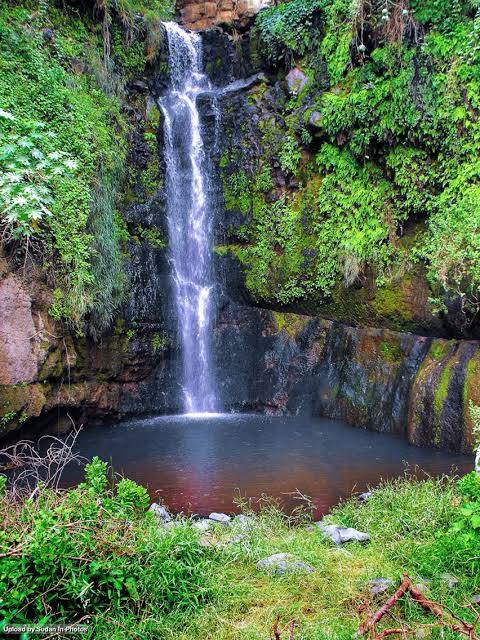
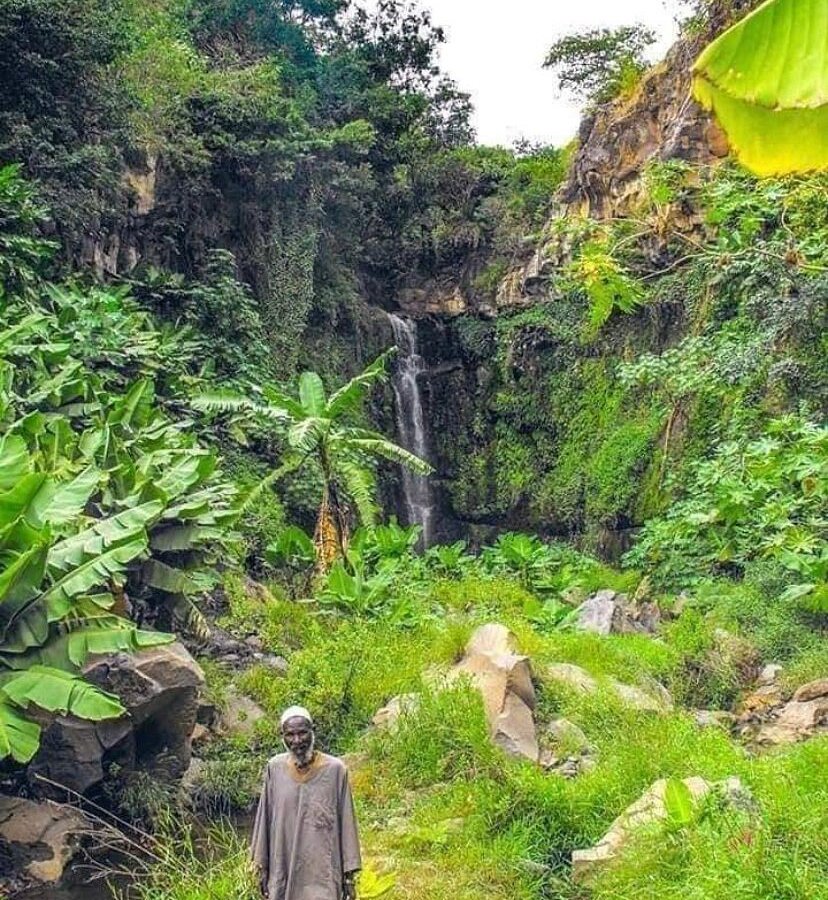
- Waterfalls and Crater Lakes: Natural attractions with tourism potential.
Climate
- Temperate in Highlands: Cooler temperatures and higher rainfall.
- Fertile Land: Supports diverse agriculture.
Historical and Cultural Legacy
Central Darfur is steeped in history, a vibrant melting pot of traditions and cultural exchanges:
- Ancient Settlements: Historically significant as centers of the Darfur Sultanate.
- Cultural Heartland: Home to the Fur people, central to Darfur’s identity.
- Cultural Crossroads: Due to its central location, the region has long been a meeting point for diverse ethnic groups, each contributing their unique customs, languages, and art forms. This rich tapestry is celebrated through local music, dance, and storytelling traditions that remain integral to communal identity.
- Historical Trade and Exchange: The legacy of historical trade routes that traversed Central Darfur has not only driven economic activity but also fostered intercultural exchange—a dynamic that is still evident in today’s marketplaces and community gatherings.
- Community Storytelling: Oral histories and local legends passed down through generations provide insight into the transformation of Central Darfur over time. These narratives preserve the wisdom of the past and serve as a guide for future resilience.
Socio-Economic Landscape
Central Darfur’s economy is as multifaceted as its history:
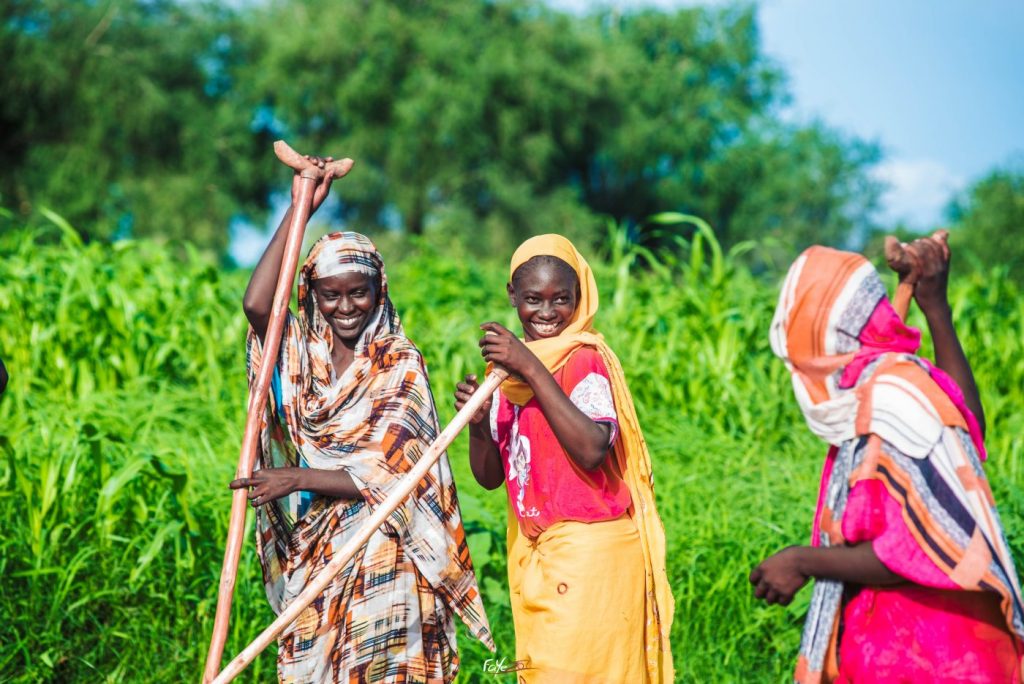
Agriculture and Livelihoods
Farming is a cornerstone of local life. Traditional practices are increasingly being complemented by modern agricultural techniques, ensuring food security while maintaining cultural respect for the land.
| Agriculture | Crop Diversity: Fruits (apples, oranges), coffee, tea, vegetables.Farming Techniques: Use of terraces in mountainous areas. |
| Animal Production | Livestock: Cattle, sheep, goats; integrated with farming practices.Poultry and Beekeeping: Additional sources of income. |
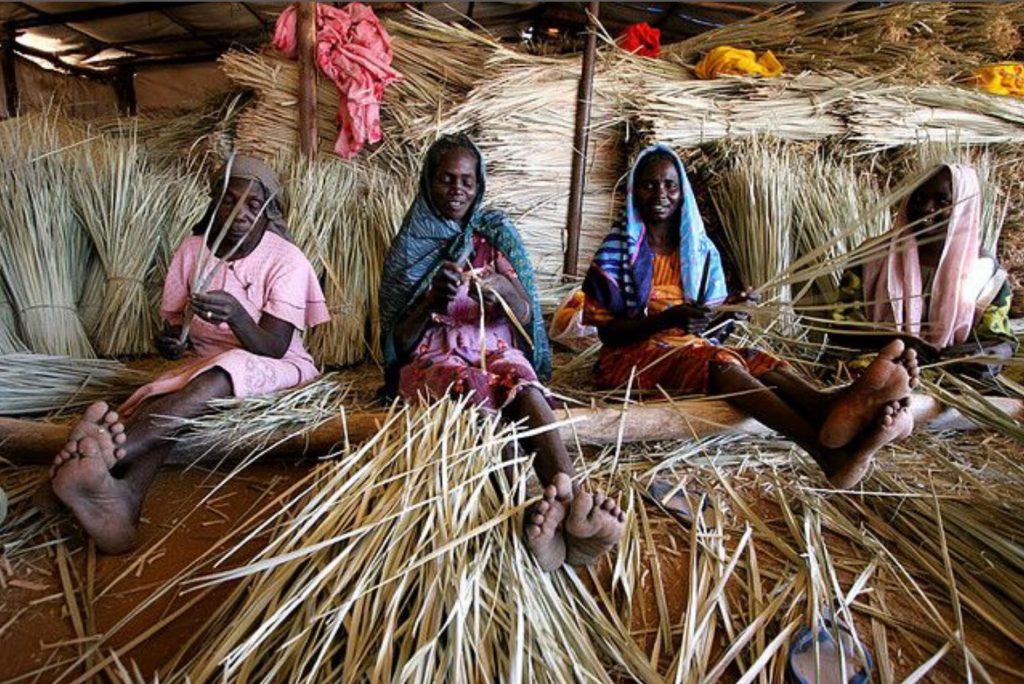
Handcrafts
- Artisanal Products: Wood carving, metalwork, traditional clothing.
- Economic Importance: Supports local artisans and preserves cultural heritage.
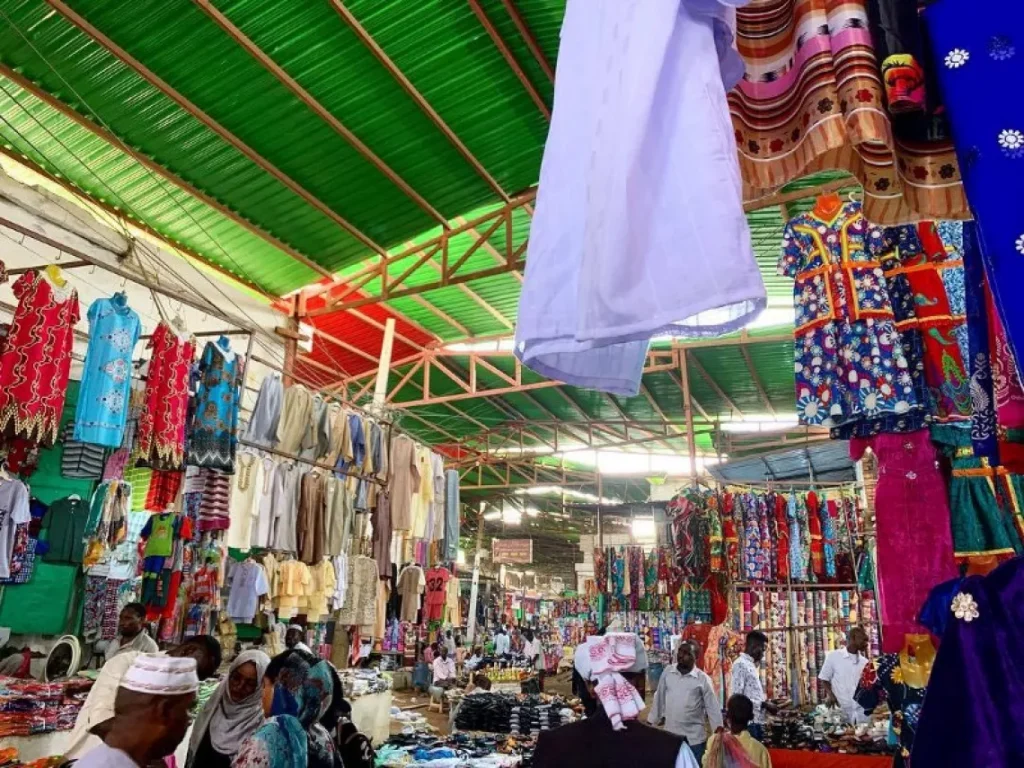
Trade and Economic Activity
Local markets are vibrant centers of exchange where artisans, farmers, and traders come together. These hubs are essential not only for economic sustenance but also for fostering social unity and reinforcing traditional ties.
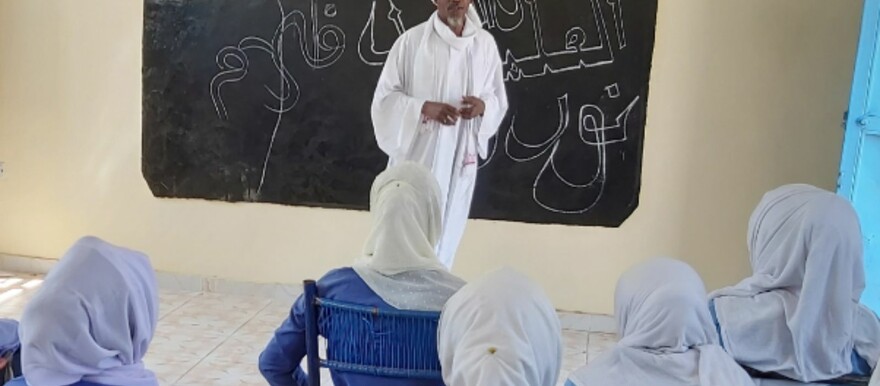
Education and Skill Development
With a growing emphasis on education, Central Darfur is nurturing a generation equipped with the skills needed for innovation and long-term development—balancing modern approaches with time-tested traditions.
Tourism Potential
- Natural Attractions: Waterfalls, hot springs, scenic views.
- Cultural Tourism: Festivals, traditional dances, and music events.
Infrastructure
Public Services
- Education: University of Zalingei enhances educational opportunities.
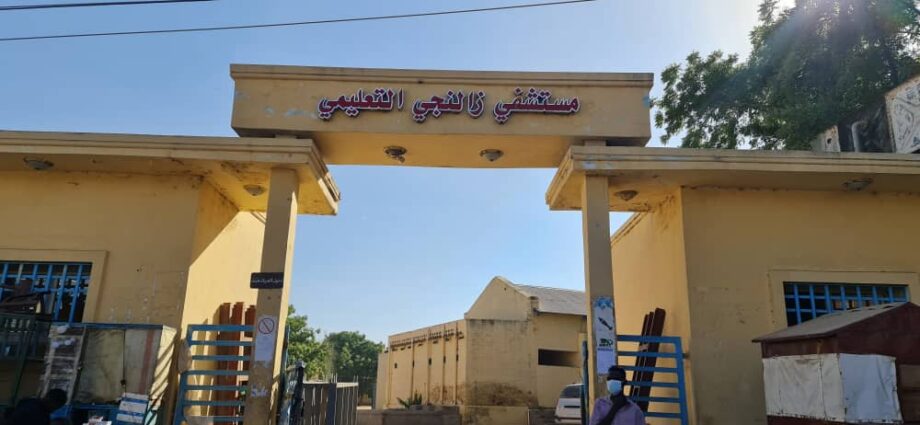
- Healthcare: Hospitals in Zalingei; outreach programs in rural communities.
Transport
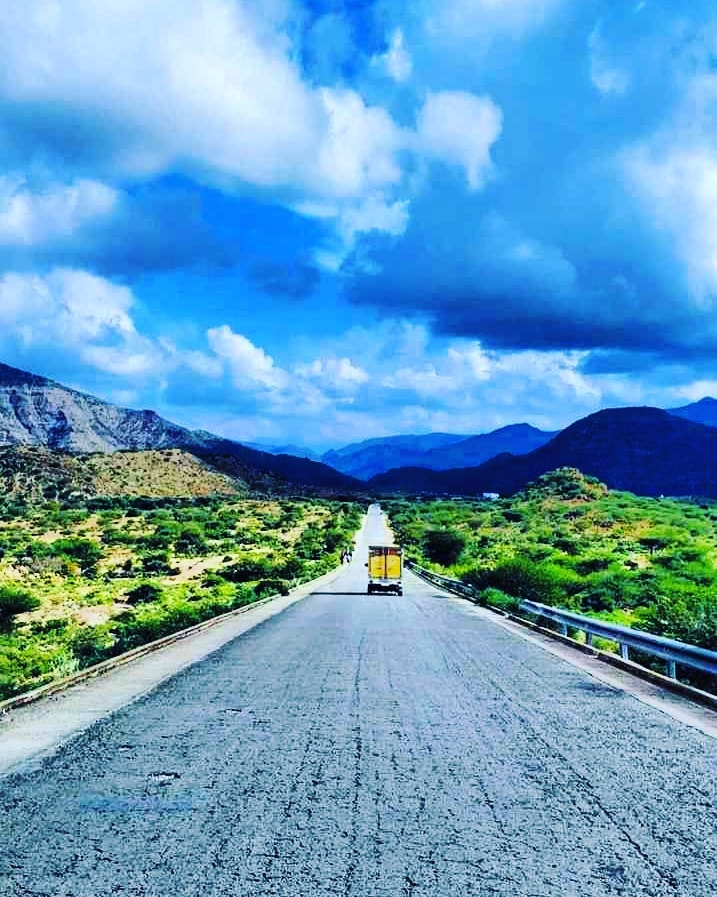
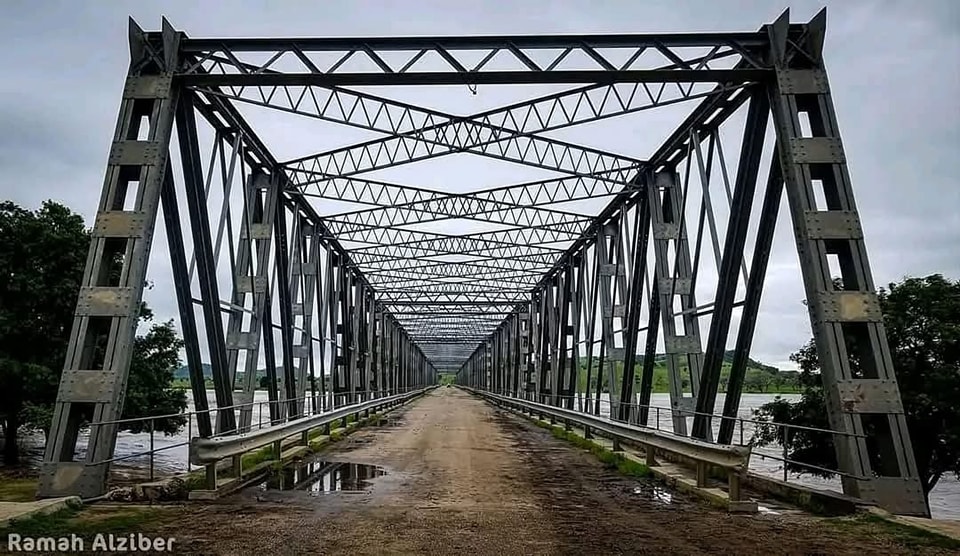
- Challenging Terrain: Road access is difficult; limited transportation options.
- Footpaths and Trails: Used extensively for local travel.
Water and Power
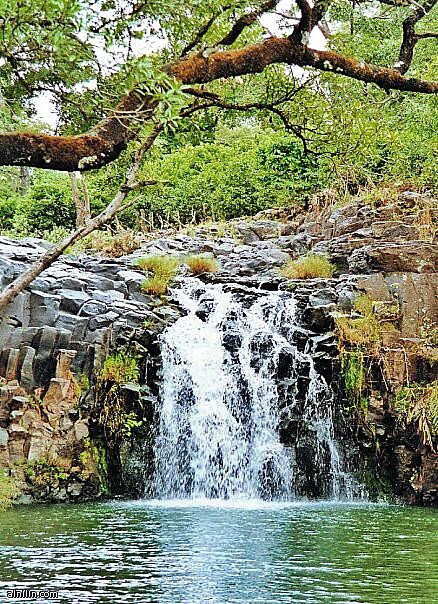
- Water Resources: Springs and higher rainfall improve availability.
- Renewable Energy: Initiatives for hydroelectric and solar power.
Communications
- Limited Services: Telecommunications are expanding but hindered by geography.
Culture and Society
- Ethnic Groups: Predominantly Fur, with Misseriya Jebel and others.
- Languages: Arabic (official), Fur language.
- Cultural Practices: Rich traditions in pottery, music (e.g., Tambura), and storytelling.
- Community Life: Strong emphasis on community solidarity and mutual aid.
Current Challenges and Opportunities
While Central Darfur boasts rich resources and cultural vitality, it also faces significant challenges that call for innovative solutions:
- Environmental Pressures: Variable weather conditions, resource depletion, and the impacts of climate change prompt ongoing challenges in agriculture and water management. However, these pressures are catalysts for pioneering sustainable practices.
- Economic Diversification: While traditional markets remain robust, there is ample opportunity to diversify the economy by integrating new sectors such as eco-tourism, renewable energy, and artisanal crafts—paths that promise to enrich the community’s socio-economic fabric.
- Social and Institutional Development: Enhancing local governance, modernizing education, and promoting inclusive participation are critical to strengthening community resilience and ensuring that every voice is represented in development initiatives.
Vision for the Future
At Darfur 2030, our vision for Central Darfur is one of balanced progress—where respect for cultural heritage nourishes the seeds of sustainable innovation:
- Sustainable Progress: Advancing agricultural methods, renewable energy projects, and environmental conservation strategies, Central Darfur can build a future that honors tradition while embracing modern solutions.
- Empowered Communities: Fostering local leadership, investing in educational initiatives, and supporting grassroots projects are essential to empowering communities to take active roles in their own development.
- Cultural Renaissance: Celebrating and revitalizing the region’s diverse cultural expressions not only preserves the past but also inspires creative endeavors that shape tomorrow’s social and economic landscapes.
Central Darfur stands at the convergence of history and modernity—a vibrant region where the resilience of its people meets the promise of sustainable development. Through the dedicated work of communities and partners across Darfur 2030, Central Darfur’s narrative is one of proactive adaptation, cultural pride, and transformative potential.