

Infrastructure is the backbone of progress—laying the foundation for economic growth, social well-being, and sustainable development. In Darfur, the evolution of roads, energy systems, water supply, educational institutions, and healthcare facilities mirrors the region’s journey through adversity and resilience. At Darfur 2030, we celebrate ongoing initiatives and innovative projects that aim to bridge historical gaps and create a future defined by connectivity, opportunity, and shared prosperity.
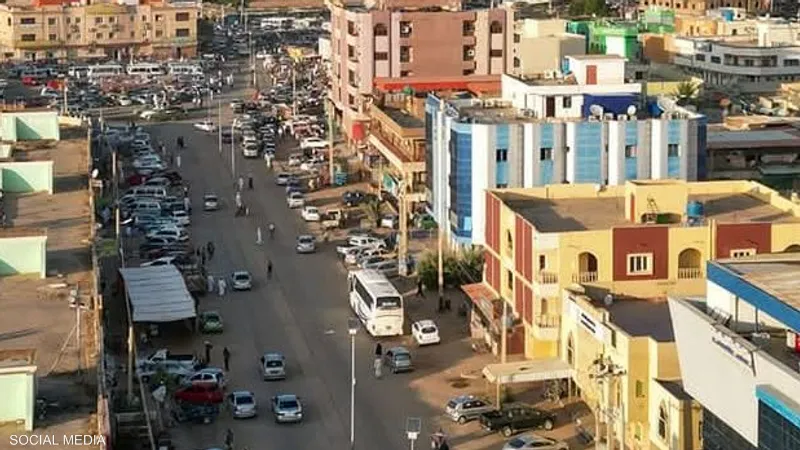
Historical Overview and Current State
A Legacy of Resilience and Adaptation
- Historical Foundations: Traditional pathways, communal water management systems, and locally constructed community centers have long served as the lifeline for Darfuri communities. Despite the challenges posed by environmental extremes and conflict, these systems supported social cohesion and economic activity over the centuries.
- Modern Infrastructure Developments: Over the past few decades, efforts have been made to modernize and expand infrastructure. Investment in roads, bridges, and communication networks has begun to reconnect remote communities with emerging urban centers. These improvements are essential for trade, emergency services, and daily life, providing the tangible benefits of progress that many have long awaited.
Key Sectors of Infrastructure
Transportation Networks
- Roads and Highways: Upgrading and extending road networks is critical to linking rural areas with economic hubs. Recent projects have focused on reconstructing gravel roads and paving key routes, enabling smoother transit of goods and people.
- Bridges and Connectivity: Developing robust bridges and overpass systems across vital waterways not only enhances regional connectivity but also promotes resilience in the face of seasonal flooding and environmental changes.
Energy and Communication
- Renewable Energy Initiatives: In a region marked by abundant sunlight, solar energy projects are emerging as a sustainable solution. From community-based solar panels to large-scale renewable installations, energy initiatives are designed to provide reliable power and reduce dependency on imported fuels.
- Telecommunications and Digital Connectivity: Expanding access to mobile networks and internet connectivity is transforming the way communities engage with education, commerce, and government services. Digital platforms enable remote learning, e-commerce, and timely disaster response—bridging the information gap in remote areas.
Water and Sanitation
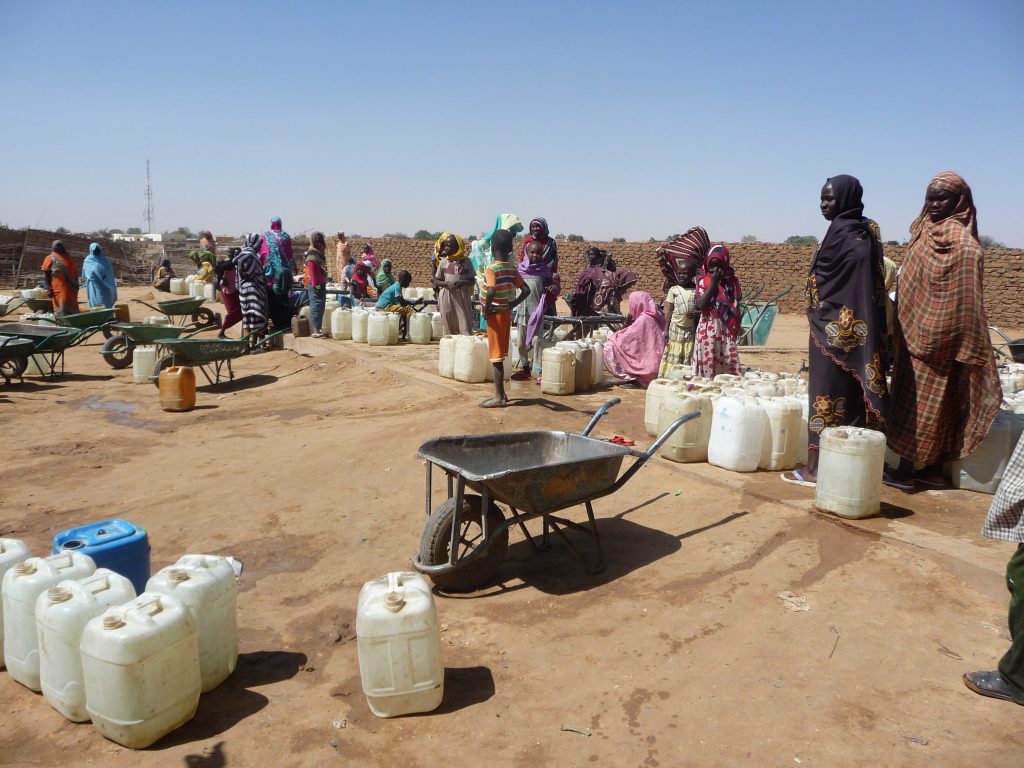
- Water Supply Projects: Access to clean water remains the cornerstone of public health. Initiatives include drilling new boreholes, constructing water storage systems, and rehabilitating traditional water harvesting techniques to ensure sustainable water supply for households and agriculture.
- Sanitation and Waste Management: Improved sanitation infrastructure, including the development of community latrines and waste management systems, is essential in curbing disease and fostering healthier environments.
Social Infrastructure: Education and Healthcare
- Educational Facilities: Building and upgrading schools, vocational centers, and libraries are key components of long-term development. Investments in education empower youth, support skill development, and lay the groundwork for an informed and resilient society.
- Healthcare Services: Strengthening healthcare facilities through modern clinics, mobile health units, and better-equipped hospitals ensures that communities have access to essential medical services. These investments are a critical step in addressing both routine health needs and emergency situations.
Challenges and Opportunities
Ongoing Obstacles
- Geographical and Environmental Barriers: Harsh terrains, seasonal weather, and the aftermath of conflict continue to challenge large-scale infrastructure projects. The maintenance and expansion of infrastructural networks require careful planning and adaptive techniques.
- Funding and Investment Gaps: Limited financial resources and competing priorities can slow down progress. Mobilizing both public and private investments is crucial to meeting the region’s infrastructural needs.
- Institutional Coordination: The integration of traditional community practices with modern governance requires coordinated efforts across multiple stakeholders, including local authorities, international partners, and regional organizations.
Innovative Solutions and Collaborative Approaches
- Public-Private Partnerships: Collaborative models between governments, NGOs, and private enterprises are helping bridge investment gaps. By pooling resources and expertise, these partnerships can drive projects that are both economically viable and socially responsible.
- Community-Led Initiatives: Empowering local communities to participate in the planning and management of infrastructure projects ensures that development is both sustainable and tailored to local needs. Training programs and local advisory boards foster grassroots involvement.
- Leveraging Technology: Advances in digital mapping, remote sensing, and project management tools enhance the planning, monitoring, and maintenance of infrastructure. Modern technologies provide the data and insights needed to optimize investment and ensure long-term viability.
Vision for the Future
Building a Connected and Resilient Darfur
- Comprehensive Infrastructure Networks: The vision for Darfur’s infrastructure is one of holistic development—where transportation, energy, water, and social services work in tandem to improve quality of life and drive economic opportunity.
- Sustainable and Inclusive Growth: Emphasizing environmentally sustainable practices and inclusive development models will ensure that the benefits of improved infrastructure reach every community, particularly those historically marginalized.
- Empowering Future Generations: A robust infrastructure system is not just about physical structures but also about creating an enabling environment for education, innovation, and entrepreneurial success that propels Darfur’s future.
The journey toward robust infrastructure in Darfur is a story of determination, innovation, and collective effort. Through strategic investments, modern technologies, and community engagement, the region is poised to build networks that uplift its people, drive economic growth, and promote long-term resilience. At Darfur 2030, our focus is on documenting and inspiring these transformative processes—ensuring that every road paved, every school built, and every light switched on adds to the legacy of progress in Darfur.