

The Tunjur Kingdom represents a significant chapter in Darfur’s precolonial history. It was a Sahelian precolonial kingdom in Africa between the 15th and early 17th centuries. Emerging after the earlier Daju period, the Tunjur played a key role in molding the region’s social and political dynamics. Their reign witnessed the integration of indigenous traditions and external influences—especially from trans-Saharan networks—which contributed to the eventual emergence of later states such as the Fur Sultanate. The Tunjur Kingdom is remembered as much for its administrative innovations as for its role in facilitating economic and cultural exchanges across a vibrant, interregional network.
Origins and Historical Background
Ethnic and Cultural Roots
The origins of the Tunjur remain a topic of scholarly debate. Oral histories and linguistic studies suggest that the Tunjur people may have been distinct from earlier inhabitants, possibly arriving from beyond the immediate Darfur highlands or evolving locally during a period of significant cultural transformation. Their arrival and rise to power are sometimes seen as a response to shifting environmental conditions and the need for organizational structures capable of managing increasingly complex social interactions within the region.
Emergence as a Political Entity
Emerging in the late medieval period—roughly between the 13th and 16th centuries—the Tunjur gradually established dominion over key territories in Darfur. Their consolidation of power appears to have involved both military acumen and strategic alliances. By assimilating or displacing remnants of earlier polities such as the Daju, the Tunjur embraced a state model that would later influence the organization of the more centralized Darfur Sultanates. While exact dates remain elusive due to the scarcity of contemporary written records, the Tunjur are recognized as crucial intermediaries during a transformative period in regional history.
Political Organization and Governance
Monarchical Structure and Legitimacy
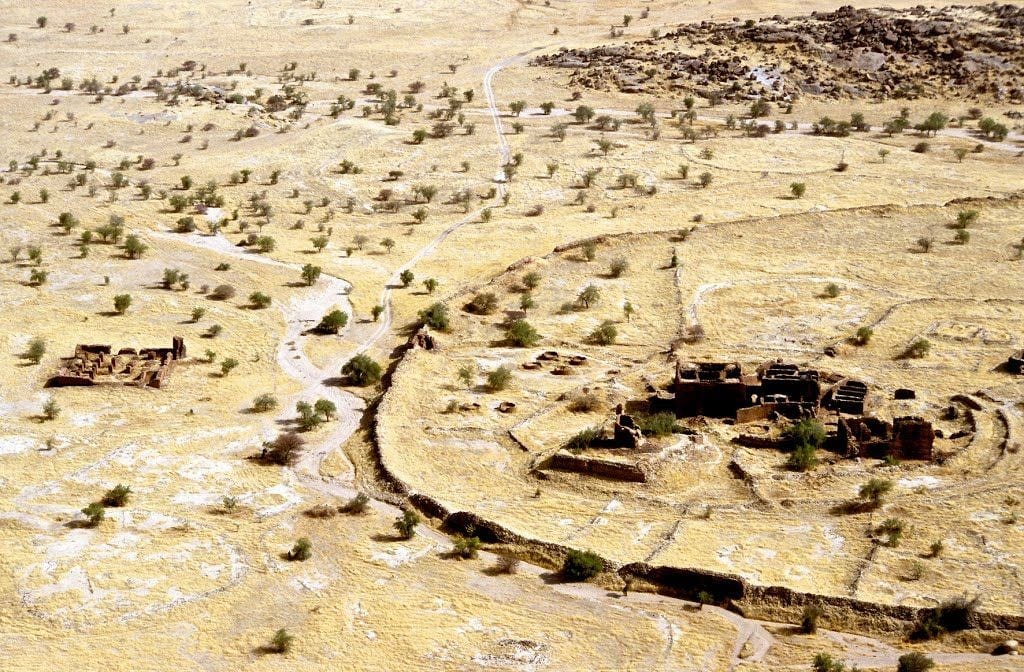
The Tunjur Kingdom was governed by a centralized monarchical system in which the king—or chief—functioned as both the secular ruler and a religious or spiritual figurehead. Legitimacy was established through a combination of ancestral veneration, ceremonial rituals, and the controlled distribution of wealth. Monumental architecture, ritual complexes, and elite burials discovered at archaeological sites provide material evidence of this centralized authority and the symbolic language of rulership that the Tunjur employed.
Social Stratification and Administrative Practices
Within the Tunjur polity, society was hierarchically organized. A ruling elite, supported by advisors, priests, and military leaders, managed a multi-tiered administrative network. This structure allowed the kingdom to coordinate defense, allocate resources, and mobilize labor for communal projects—activities that not only reinforced the ruler’s authority but also integrated diverse local communities into a broader state framework.
Economy, Trade, and the Environment
Agricultural and Pastoral Foundations
Darfur’s diverse ecology—ranging from highland areas to arid plains—provided a mixed subsistence economy upon which the Tunjur built their state. They successfully combined agriculture (with crops such as millet and sorghum in more fertile zones) and pastoralism, ensuring food surpluses that supported population growth and urban development. Environmental variability meant that flexibility in economic practices was vital; the Tunjur’s adaptive strategies allowed them to manage periods of climatic stress while maintaining stability.
Trade Networks and Economic Interdependence
Due both to geography and political acumen, the Tunjur Kingdom played a vital role in regional trade. Situated along routes that bridged trans-Saharan and Nile Valley markets, the Tunjur facilitated the exchange of agricultural products, handicrafts, and luxury goods. Their involvement in long-distance trade networks not only enriched the kingdom but also enabled the importation of technological and cultural influences. This economic interdependence helped solidify alliances and provided the material basis for a thriving elite culture.
Cultural and Religious Life
Syncretic Religious Practices
Religious life in the Tunjur Kingdom was characterized by a synthesis of indigenous belief systems and the growing influence of Islam. While local deities and ancestral spirits maintained a strong presence in ritual life, the adoption of Islamic practices began to reshape religious ceremonies and legal frameworks. This syncretism is reflected in ceremonial artifacts, rock art, and the evolving iconography seen in religious sites. Ritual practices not only legitimized the king’s rule but also unified the diverse peoples under Tunjur governance.
Artistic and Architectural Achievements
The cultural output of the Tunjur reflects a dynamic engagement with both local traditions and broader transregional influences. Distinctive pottery styles, intricate metalwork, and architectural remnants—such as fortified settlements and ceremonial platforms—speak to a society that valued artistic expression. The visual language employed in these artifacts reveals both continuity with past artistic traditions and innovations spurred by contact with neighboring regions and trade partners.
Relations with Neighboring Kingdoms and Societies
Diplomatic and Trade Contacts
The Tunjur Kingdom maintained extensive interactions with surrounding polities. Their strategic location allowed them to serve as intermediaries between the fertile Nile Valley and the arid expanses of sub-Saharan Africa. Through trade and diplomacy, the Tunjur not only exchanged goods but also ideas, technologies, and cultural motifs with neighbors. These interactions contributed to a regional culture marked by both diversity and unity—elements essential for long-term stability.
Cultural and Administrative Influences
While the Tunjur maintained an independent identity, they were not isolated from the wider currents of African statecraft. Elements of administrative practice, religious symbolism, and artistic styles show parallels with other contemporary polities in the region. Such similarities indicate a bidirectional flow of influences: while the Tunjur were shaped by broader regional trends, they, in turn, contributed to the shared cultural heritage that later influenced the Darfur Sultanates, particularly the Fur.
Decline and Lasting Legacy
Factors in the Decline
Several converging factors led to the gradual decline of the Tunjur Kingdom. Shifting environmental conditions, evolving trade routes, and internal political struggles all contributed to a weakening of centralized authority over time. Additionally, the rise of new powers—most notably the Fur, who would eventually establish the Darfur Sultanate—challenged the Tunjur’s enduring hold over the region. As power centers shifted, the Tunjur polity was gradually absorbed into emerging states that carried forward many of its administrative and cultural legacies.
Enduring Influence
Despite their eventual decline, the legacy of the Tunjur Kingdom lives on in the cultural memory of Darfur. Oral traditions, linguistic traces, and archaeological remains continue to attest to the Tunjur’s role in shaping regional identity. Their contributions to state formation, trade, and the synthesis of cultural and religious practices set the stage for future political developments. Modern scholars increasingly recognize the Tunjur as an essential link in the historical continuum that underpins the rich tapestry of Darfur’s past.
key archaeological sites related to the Tunjur Kingdom
- El Fasher and Its Outskirts: The modern town of El Fasher, located in North Darfur, is proximate to several archaeological clusters that have yielded fragments of ceramics, metal artifacts, and remnants of building foundations. These features suggest the presence of early urban or administrative centers that later may have been part of the Tunjur polity’s network. Settlement mounds and isolated fortified structures in the region hint at a sophisticated local organization. Although many of these remains have yet to be fully excavated or published, preliminary surveys point to a dynamic community whose material culture resonates with accounts of early state formation in Darfur.
- Sila Valley Complex: In the Sila region, surveys have uncovered a range of settlement sites—from small villages to larger, more complex sites that may have served as administrative centers or hubs for long-distance trade. Excavated pottery, grinding stones, and traces of metalworking activities from these sites are consistent with the distinctive cultural assemblages attributed to the Tunjur period. Burial sites in the valley also display sophisticated funerary practices that scholars believe reflect the social stratification and ritual life of Tunjur elites. This area appears to have been particularly important for managing agricultural production and for connecting interior settlements with broader trans-Saharan exchange networks.
- Central Darfur Fortifications: Several sites in central Darfur, often identified by remains of defensive structures such as thick mudbrick walls and strategically located enclosures, have been associated with the rise of early medieval polities in the region. These fortified locations, which may have served as local power centers or way-stations along major trade routes, offer compelling evidence of the administrative and military organization characteristic of the Tunjur Kingdom. Excavations in and around these sites have sometimes recovered architectural fragments and household artifacts that allow scholars to tentatively place them within the Tunjur timeframe, underscoring the kingdom’s efforts to control both territory and commerce.
- Jebel Marra and Peripheral Rock Art Sites: While rock art in the Jebel Marra region is not exclusively diagnostic of the Tunjur Kingdom—many rock art traditions in Darfur span several millennia—they provide valuable context for understanding the cultural landscape during the era of early state formation. In some cases, stylistic analyses and the stratigraphic relationship of these petroglyphs with occupation layers at nearby settlement sites help frame a broader picture of cultural continuity and exchange. Such findings reinforce the idea that Tunjur sites were part of an interconnected social landscape in which monumental expressions of identity—whether through architecture or art—played an important role.
The Tunjur Kingdom of Darfur exemplifies the complexities of early African state formation. Emerging during a time of environmental uncertainty and regional transformation, the Tunjur developed a centralized political structure that harnessed both local resources and extensive trade networks. Their syncretic cultural practices and adaptive economic strategies not only secured their contemporary power but also influenced future generations, particularly as seen in the later Darfur Sultanates. As ongoing archaeological and historical research continues to illuminate this formative period, the Tunjur Kingdom remains a testament to the resilience, innovation, and interconnectedness of early African societies.