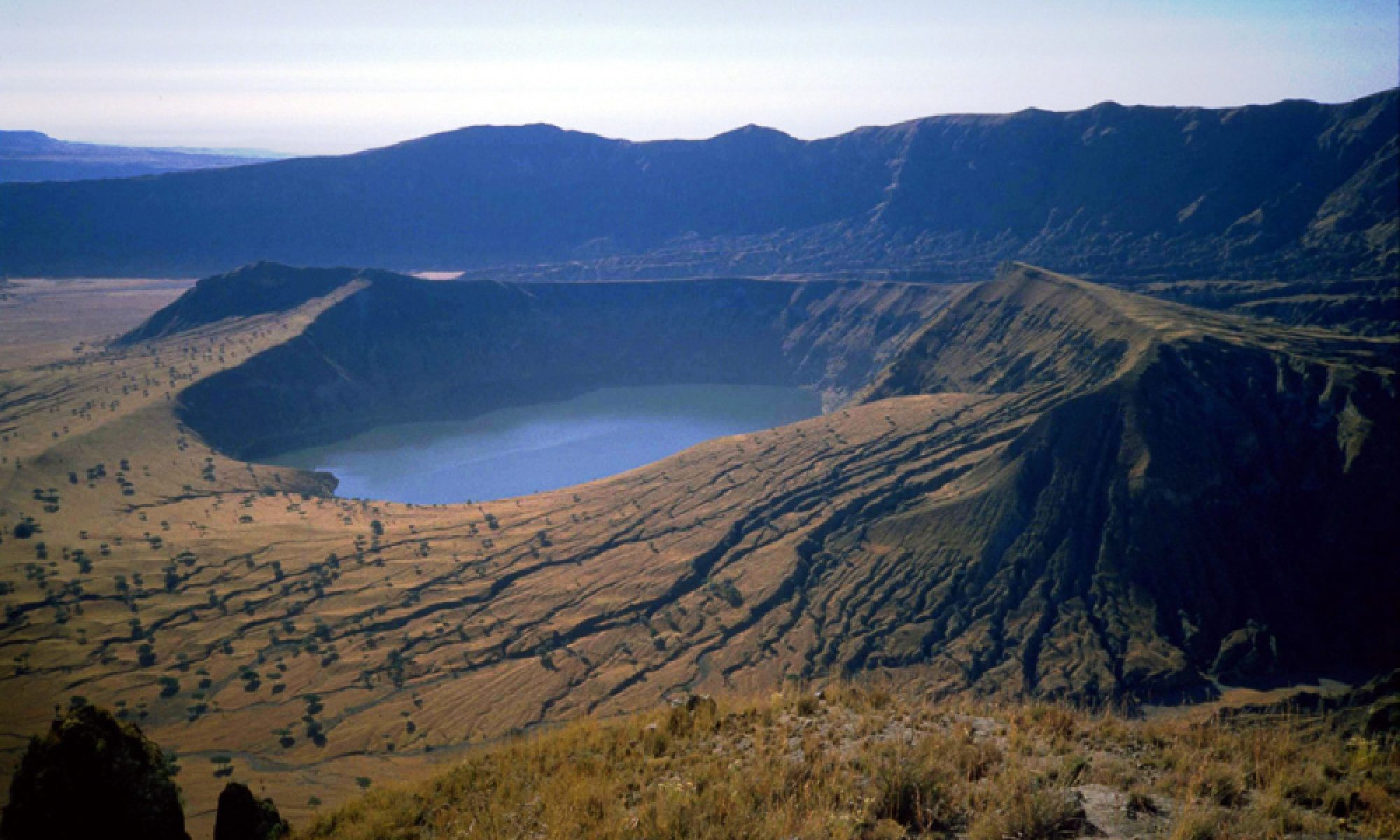

The Daju kingdom was a medieval monarchy that existed in Darfur (Sudan) from possibly the 12th–15th century. Its name stems from the Daju people, the ruling ethnic group. The Daju were eventually ousted from power by the Tunjur and the last Daju king subsequently fled to present-day Chad. The sources for the Daju kingdom are almost entirely local traditions collected in the 19th and 20th century and mentions by medieval Arab historians.
The Daju Kingdom holds an important place in the premodern history of Darfur. Emerging amid evolving cultural and environmental landscapes, the Daju established a lasting socio-political order that helped shape the region’s course. Although the details remain partially obscured by time, a blend of material evidence and local oral traditions reveals how the Daju not only organized a kingdom but also connected historically with broader patterns of trade, culture, and state formation across northeast Africa.
Geographic and Historical Context
Darfur, situated in western Sudan, lies on the edge of both the Sahara and the Sahel. Its geography encompasses rugged highlands, expansive plains, and seasonal waterways. In eras when climatic conditions were more favorable—and during periods of enhanced rainfall—the region’s environment supported agriculture, pastoralism, and increased human settlement. Amid these dynamic conditions, indigenous groups in Darfur began to experiment with sedentism and centralized governance. The Daju Kingdom emerged against this backdrop, benefitting from the rich natural resources of its territories while participating in evolving trade networks that extended toward the Nile Valley and beyond.
Origins and Development of the Daju Kingdom
Ethnic and Linguistic Roots
The Daju people are often identified with early inhabitants who occupied the Darfur region long before more widely known medieval polities set the stage for later social transformations. Linguistic analyses suggest that the Daju language belongs to a broader grouping of African tongues that may indicate historical ties or shared origins with other peoples of the central Sahel and Northeast Africa. Oral traditions preserved among descendant communities in Darfur recount migrations, the forging of alliances with neighboring groups, and the eventual consolidation of power, all of which underpin the Daju identity.
Consolidation and State Formation
By the early centuries CE, local chieftains had begun organizing more complex social structures. The Daju Kingdom is thought to have emerged from a gradual process in which disparate communities—initially centered on clan-based organization—merged under the leadership of ruling elites able to harness collective resources. This political evolution coincided with developing agricultural practices and increasing control over strategic trade routes; early evidence from settlements and burials suggests that the Daju leadership claimed authority over both terrestrial and ritual landscapes.
Political Structure and Governance
Monarchical Ideology and Administration
The leadership of the Daju Kingdom appears to have rested on a monarchical or chiefdom system where the ruler was seen as both a political and spiritual figure. Kingship may have been legitimized through a blend of ancestral veneration, ceremonial practices, and the controlled distribution of material wealth. The symbolic assertion of power—evident in ritual objects and site organization—helped to create an administrative framework that could mobilize communities for collective projects, defend trade routes, and maintain order in a challenging environment.
Social Hierarchies and Institutional Practices
The stratification of society within the Daju realm is indicated by differences in burial customs, the presence of high-quality artifacts, and specialized craft production in pottery and metalwork. Although a written record in the modern sense is lacking, the material culture paints a picture of an advanced society where roles were differentiated, and power was concentrated among traditional elites supported by religious specialists or ritual leaders.
Economy, Trade, and Cultural Exchange
Agriculture, Pastoralism, and Local Resources
In the fertile pockets of Darfur, the Daju people leveraged agricultural practices alongside pastoralism to sustain a diversified economy. Their ability to cultivate native cereal crops and manage livestock contributed to stable food surpluses, which in turn supported the development of urban centers and facilitated long-term settlement.
Trade Networks and Regional Interactions
Situated at a crossroads between the Nile Valley and sub-Saharan Africa, the Daju Kingdom was well positioned to participate in extensive trade networks. Merchants and skilled artisans moved along established routes, exchanging agricultural products, handcrafted goods, and luxury items. In doing so, the Daju not only drew on external influences—such as technological innovations and artistic styles from the adjacent Kingdom of Kush and southern polities—but also contributed to their diffusion. This economic interdependence played a crucial role in solidifying both local authority and regional connectivity.
Cultural Contributions and Heritage
The Daju Kingdom is celebrated for its rich cultural and artistic achievements that continue to resonate throughout Darfur:
- Artistic Expression: Intricate carvings, pottery, and metalwork from the Daju era reflect a sophisticated aesthetic sense and a deep connection to the natural world. These artefacts not only served utilitarian purposes but also conveyed spiritual beliefs and communal values.
- Oral Traditions and Language: The legacy of the Daju includes a rich tapestry of oral literature. Epic narratives, folklore, and charismatic poetry were instrumental in preserving the kingdom’s memories and transmitting its wisdom through generations.
- Religious and Spiritual Life: Spiritual practices played a central role in legitimizing leadership and forging a communal identity. Sacred sites and ritual practices established by the Daju have been preserved in local customs, offering a living link to the past.
Religion, Culture, and Social Organization
Religious Beliefs and Ritual Practices
Religion in the Daju Kingdom appears to have been intimately linked with legitimizing political power. Kings and high-ranking officials likely engaged in ritual ceremonies designed to appease local deities or ancestral spirits. Rock art, ceremonial artifacts, and site-specific iconography hint at religious practices that blended indigenous symbolism with influences circulating in the broader region. Such rites not only reinforced divine kingship but also established a shared community identity that would endure beyond political changes.
Artistic and Cultural Expression
The cultural legacy of the Daju is visible in both their material creations and the continuing oral traditions of Darfur. Distinctive pottery styles, intricate adornments, and architectural remains testify to a sophisticated aesthetic sensibility. These artistic expressions, often linked with ritual contexts, provided a means for encoding history and asserting authority. The decorative motifs seen in surviving artifacts also highlight stylistic exchanges with neighboring cultures, underscoring the Daju’s role in the broader cultural mosaic of ancient northeast Africa.
Relations with Neighboring Kingdoms and Societies
Although records of direct political interaction remain limited, the Daju Kingdom was part of a vibrant network of neighboring societies. Contacts with the Kingdom of Kush and other polities in the Nile Valley suggest that the Daju were not isolated; they exchanged goods, ideas, and possibly even administrative techniques with more powerful kingdoms. This interplay of influences helped to shape the unique qualities of the Daju state while also reinforcing a pan-regional identity through shared technological and artistic trends.
Decline and Lasting Legacy
Factors Contributing to Decline
Over time, a combination of environmental shifts, evolving trade routes, and the emergence of rival polities led to the gradual decline of the Daju Kingdom. As climatic conditions grew less predictable, and as new groups—such as the Tunjur and later the Fur—rose to prominence from within Darfur, the centralized power of the Daju waned. Nonetheless, the transformational period during which they reigned set important precedents for statecraft and cultural production.
Legacy and Historical Significance
The impact of the Daju Kingdom extends far beyond its historical period:
- Cultural Resonance Today: Modern Darfuri communities continue to draw inspiration from Daju heritage. Festivals, traditional music, and ritual practices echo the ancient customs established by the kingdom, serving as a vital connector between past and present.
- Scholarly Exploration and Archaeological Discoveries: Ongoing research—including archaeological excavations and the study of oral traditions—has brought new insights into the organization, achievements, and influence of the Daju Kingdom. These discoveries enrich the historical narrative of Darfur and provide a framework for understanding the region’s evolution.
- Inspiration for Future Development: The adaptive strategies, artistic excellence, and resilient governance of the Daju Kingdom offer valuable lessons for contemporary challenges. By studying this ancient civilization, modern societies can find innovative paths to address issues of sustainability, cultural preservation, and social unity.
The Daju Kingdom of Darfur exemplifies the potency of indigenous innovation in early African state formation. Through the development of centralized authority, participation in expansive trade networks, and a rich fusion of religious and cultural practices, the Daju helped to shape a legacy that resonates in the region’s history today. While much remains to be uncovered, ongoing archaeological research and the preservation of oral traditions ensure that the story of the Daju Kingdom continues to inspire further inquiry into the roots of complex societies in Darfur.