

Darfur’s natural landscapes, ranging from sweeping deserts to fertile riverbanks and rugged highlands, nurture a surprising array of life. The flora and fauna here tell stories of adaptation and survival. Over centuries, both plants and animals have evolved innovative strategies to thrive in an environment marked by extreme temperatures, scarce water, and seasonal variability. At Darfur 2030, we celebrate this rich biodiversity and underscore the importance of preserving it for future generations.
The Flora of Darfur
Diverse Vegetation Adapted to Aridity
Despite the prevailing arid and semi-arid conditions, Darfur supports a remarkable variety of plant life:
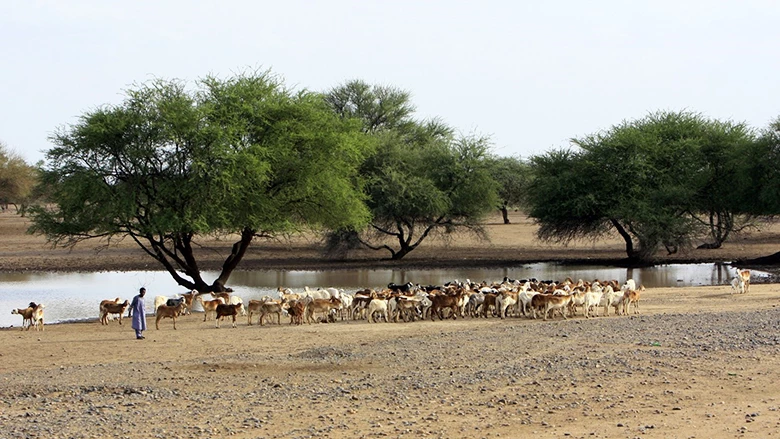
Drought-Resistant Shrubs and Bushes
Native species such as acacias, borde and other resilient bushes have evolved deep root systems to tap into underground water reserves. These plants are crucial for soil stabilization and provide shelter and food for local wildlife.
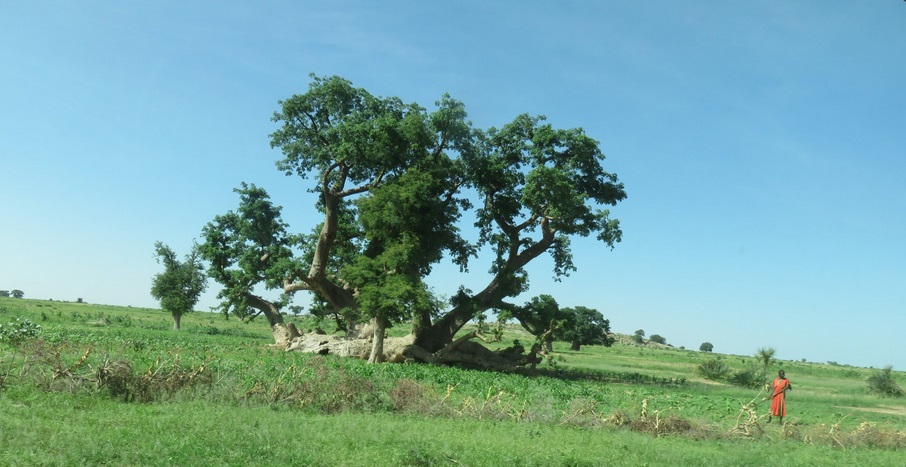
Grasses and Savanna Flora
Extending across open plains, grasses in Darfur create an interlaced green tapestry during the short rainy season. These grasses not only fuel local pastoral economies by feeding livestock but also help maintain ecological balance through natural cycles.
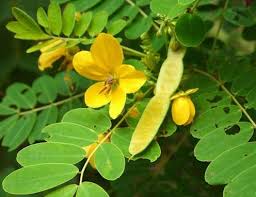
Seasonal Blooms and Medicinal Herbs
When the rains do arrive, a burst of wildflowers and medicinal herbs emerges, painting the landscape with unexpected color. For local communities, these plants are more than just beautiful; they are a source of traditional remedies and a connection to ancestral knowledge.
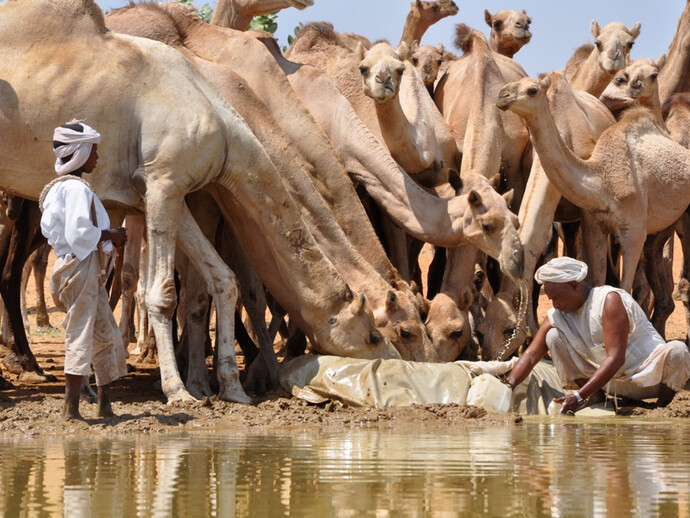
Ecological Roles and Traditional Uses
The native vegetation of Darfur plays several vital roles:
- Ecosystem Stabilization: Flora in the region helps to combat desertification and soil erosion—protecting the land from further degradation.
- Cultural and Economic Significance: Many plant species are intertwined with local traditions, from use in medicinal practices to roles in religious and cultural ceremonies.
- Biodiversity Hubs: The varied plant life serves as a foundation for an intricate web of animal life, creating microhabitats that support a trove of species.
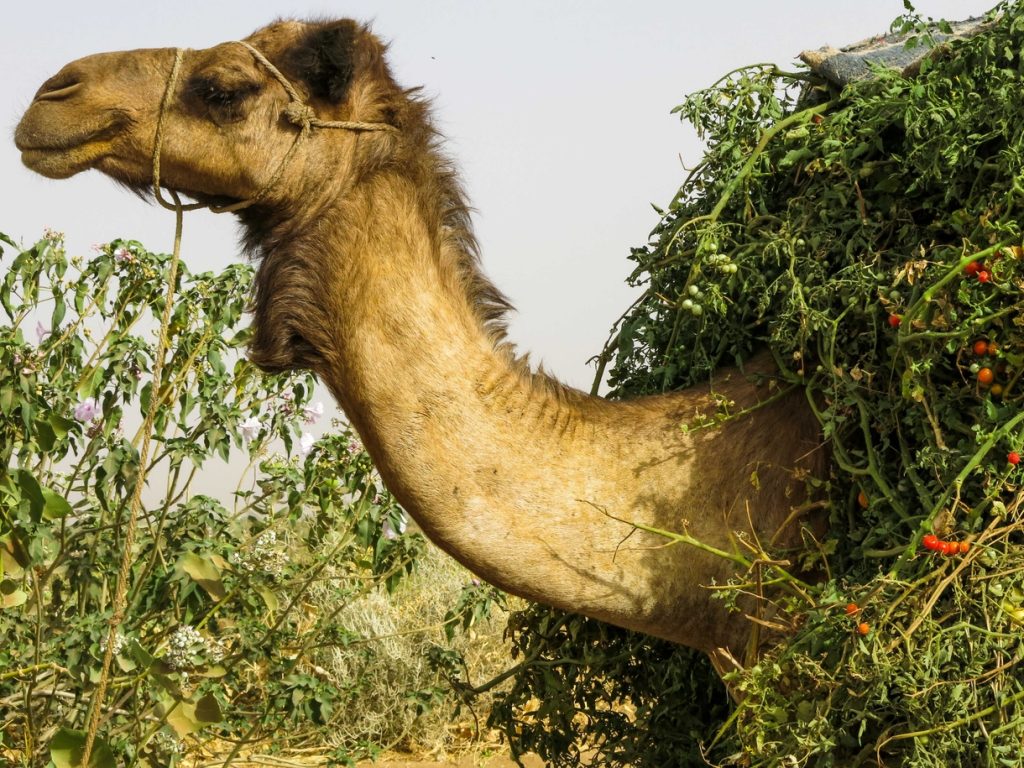
The Fauna of Darfur
Wildlife Resilient in Extreme Environments
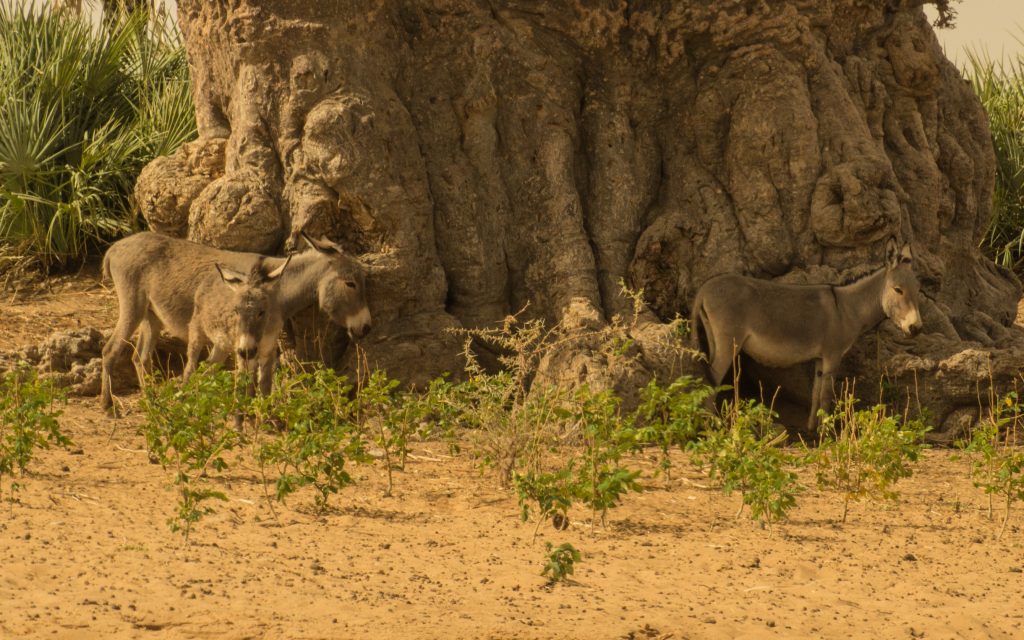
Darfur’s animal inhabitants have adapted uniquely to a landscape of extremes:
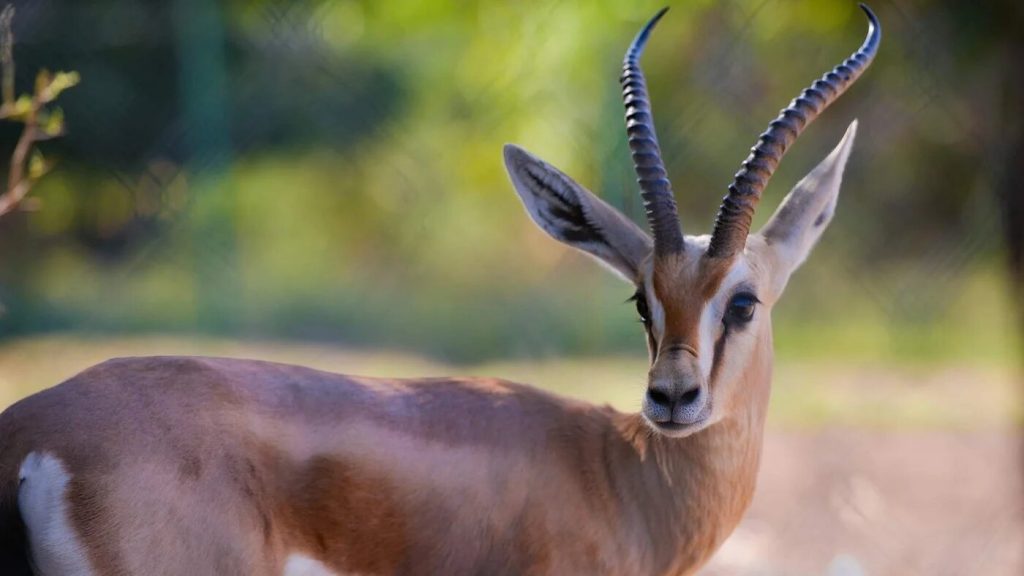
Mammals
Various herbivores—such as species of antelope and gazelle—graze on the native grasses, while larger mammals have evolved migratory patterns to cope with the scarcity of resources. Some areas also witness the elusive presence of predators that maintain the natural balance.
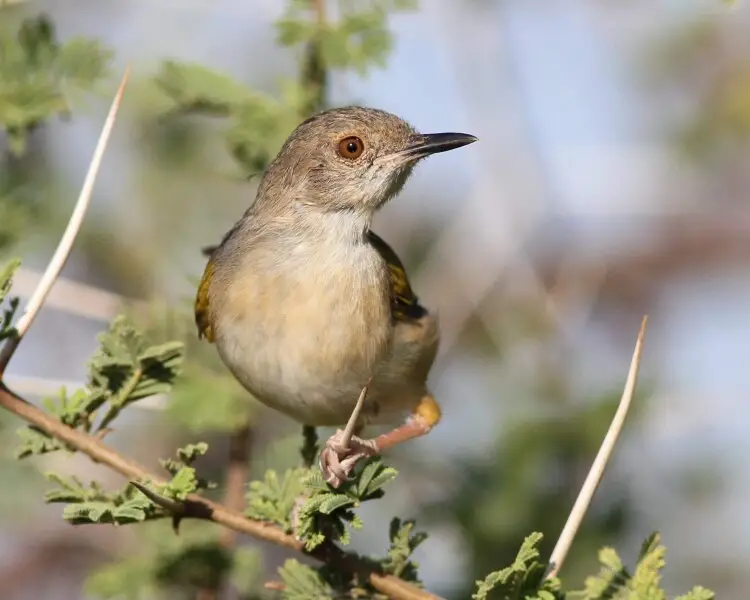
Birds
The skies of Darfur are home to a rich variety of birds. Migratory species, adapted to fly long distances between water sources and feeding grounds, share the habitat with resident birds whose songs accompany the rhythm of the land.
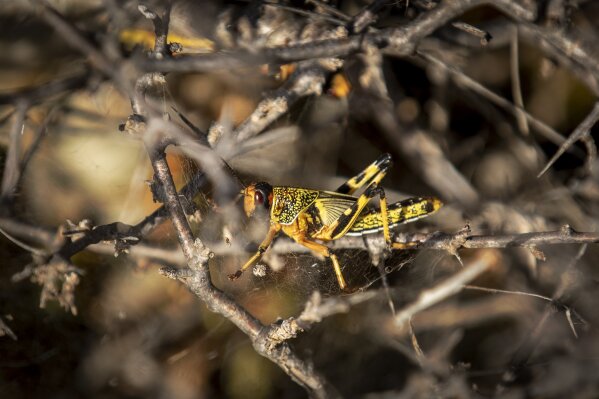
Reptiles and Insects
Inhabitants such as lizards, snakes, and a vibrant assortment of insects are well-adapted to the heat and arid conditions. Their survival strategies—including burrowing and nocturnal activity—illustrate the subtle ways life persists against the odds.
Conservation Concerns and Efforts
The wildlife of Darfur faces challenges from habitat loss, climate variability, and human pressures:
- Threats to Biodiversity: As human activities expand and natural resources are strained, some species are experiencing population declines. Habitat degradation, water scarcity, and encroachment on natural areas pose continuous risks.
- Community and Scientific Initiatives: Local communities, in partnership with conservation organizations and researchers, are increasingly committed to protecting Darfur’s natural heritage. Projects include monitoring migratory patterns, preserving critical habitats, and integrating traditional ecological knowledge with modern conservation practices.
- Education and Sustainable Practices: Promoting awareness and sustainable resource management is key to ensuring that both flora and fauna continue to flourish. Education initiatives help communities understand the value of biodiversity and adopt practices that minimize environmental impact.
Embracing Biodiversity for a Sustainable Future
Darfur’s flora and fauna are not isolated entities—they are deeply connected with the peoples and culture of the region. By protecting this biodiversity, we preserve not only the natural environment but also the traditional livelihoods and historical heritage of Darfur.
At Darfur 2030, we invite you to explore interactive maps, in-depth case studies, and inspiring stories of local conservation initiatives. These resources showcase the dynamic interplay between nature and community—and the ongoing efforts to restore balance in a changing world.