

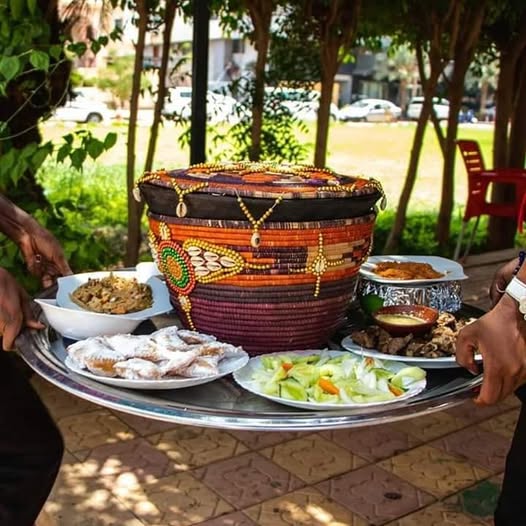
Darfur, located in western Sudan, is a region known for its rich and diverse culinary traditions. The cuisine of Darfur reflects the region’s agricultural practices, cultural heritage, and the influence of various ethnic groups. This essay explores the traditional foods, cooking methods, and the cultural significance of culinary practices in Darfur, providing insights into the daily lives and social customs of its people.
Staple Foods and Ingredients
The cuisine of Darfur is characterized by the use of staple foods and locally available ingredients. The primary staples include grains such as millet and sorghum, which are essential components of the Darfurian diet.
- Millet and Sorghum: Millet and sorghum are the main grains grown and consumed in Darfur. These grains are drought-resistant and well-suited to the arid climate of the region. They are used to prepare various traditional dishes, including kisra and aceda.
- Legumes and Pulses: Legumes and pulses, such as lentils, chickpeas, and beans, are important sources of protein in the Darfurian diet. They are often cooked into stews and soups, providing nourishment and flavor to meals.
- Vegetables and Fruits: Vegetables and fruits are commonly grown in home gardens and are an integral part of the cuisine. Popular vegetables include okra, tomatoes, and onions, while fruits such as mangoes, guavas, and dates are enjoyed seasonally.
- Meat and Dairy: Livestock farming is prevalent in Darfur, and meat, particularly goat, lamb, and chicken, is a significant part of the diet. Dairy products, including milk, yogurt, and butter, are also consumed regularly.
Traditional Dishes
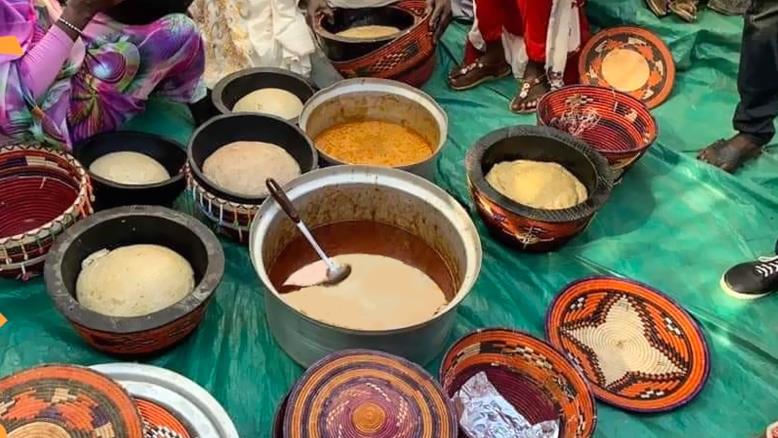
Traditional dishes in Darfur are a reflection of the region’s agricultural bounty and cultural influences. These dishes are often prepared using time-honored cooking methods and are enjoyed during everyday meals as well as special occasions.
Kisra
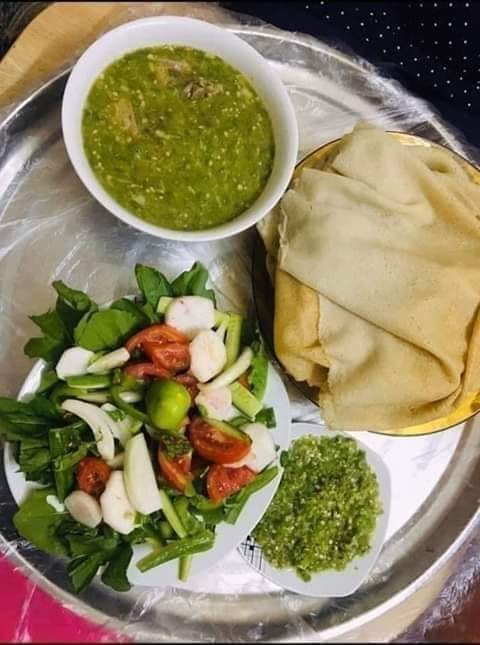
Kisra is a type of thin, fermented flatbread made from sorghum or millet flour. It is a staple food in Darfur and is typically served with stews and sauces. The fermentation process gives kisra a tangy flavor, and it is often enjoyed for its nutritional value and versatility.

Aceda
Aceda is a thick porridge made from sorghum or millet flour. It is cooked by gradually adding flour to boiling water and stirring until it reaches a smooth, dough-like consistency. Aceda is often served with meat or vegetable stews, making it a hearty and filling meal.
Ful Medames
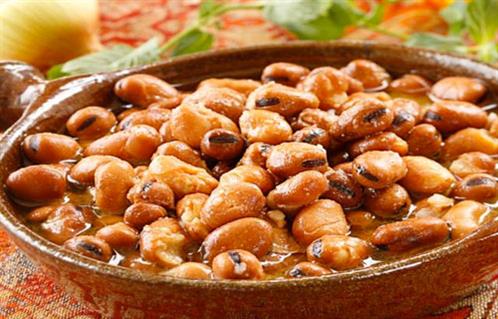
Ful medames is a popular dish made from slow-cooked fava beans. The beans are seasoned with garlic, lemon juice, and olive oil, and are often garnished with chopped vegetables, herbs, and spices. Ful medames is typically eaten for breakfast and is accompanied by bread.
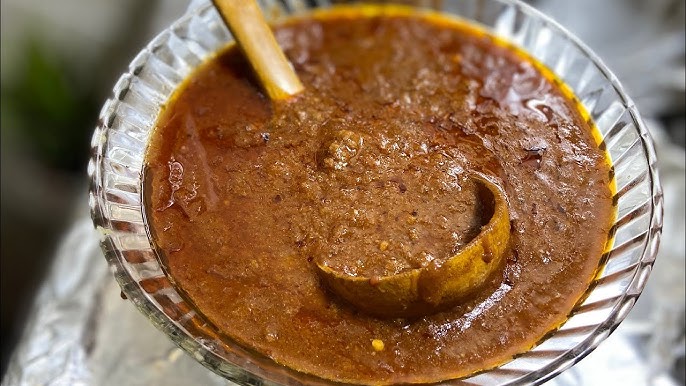
Mulah (Stew)
Mulah is a traditional meat stew made with lamb or goat. The meat is cooked with onions, garlic, tomatoes, and a blend of spices, resulting in a rich and flavorful dish. mulah is often served with kisra or aceda.
Cooking Methods
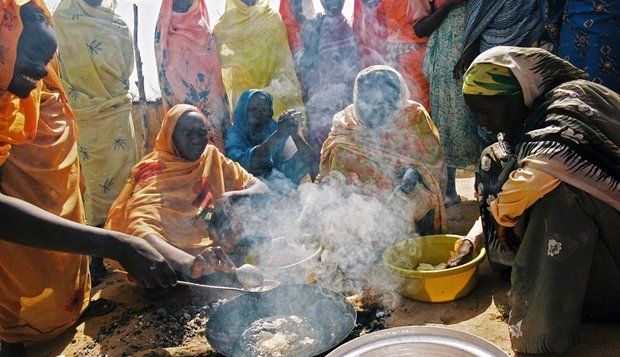
The culinary traditions of Darfur are characterized by a variety of cooking methods that have been passed down through generations. These methods are adapted to the available resources and the region’s climate.
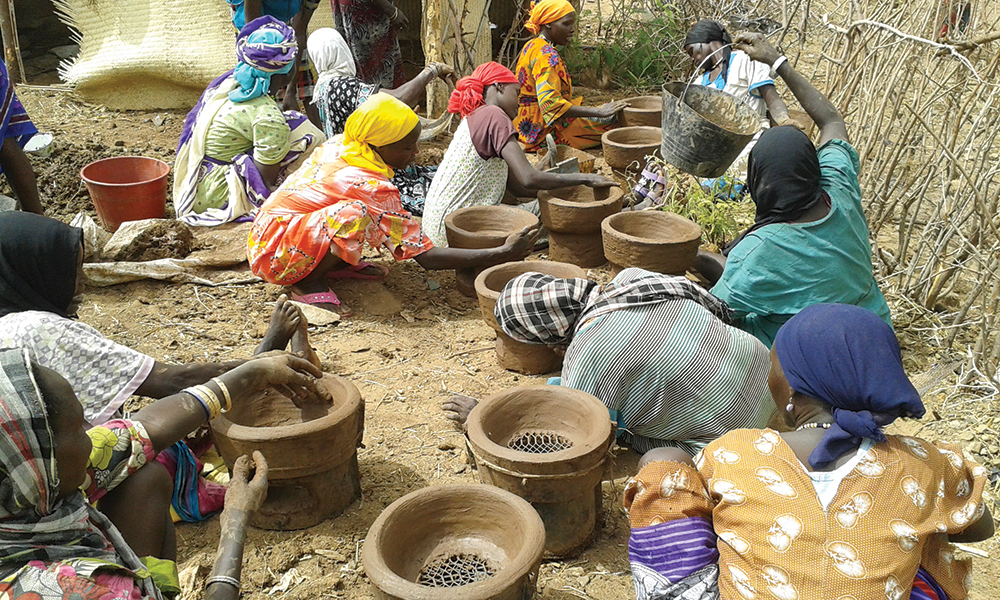
- Open-Fire Cooking: Open-fire cooking is a common method used in Darfur, where food is prepared over wood or charcoal fires. This method imparts a distinct smoky flavor to the dishes and is often used for grilling meat, boiling grains, and cooking stews.
- Clay Ovens: Clay ovens, known as tabun or tannur, are traditional cooking appliances used for baking bread and roasting meat. The ovens are heated with wood or charcoal, and the high temperatures allow for even cooking and crisping of the food.
- Steaming and Boiling: Steaming and boiling are prevalent cooking methods in Darfur, particularly for preparing grains, legumes, and vegetables. These methods help to retain the nutrients and flavors of the ingredients while ensuring they are cooked thoroughly.
- Fermentation: Fermentation is a key technique used in the preparation of traditional foods such as kisra. The fermentation process enhances the nutritional value of the grains and adds a unique flavor to the dishes.
- Sun Drying: Sun drying is an important preservation method in Darfur, especially for fruits, vegetables, and meat. By exposing food to the sun, moisture is removed, which helps to extend its shelf life. This method is particularly useful in the region’s hot, dry climate and is used to prepare ingredients that can be stored and consumed later.
Cultural Significance
The culinary traditions of Darfur hold significant cultural importance, reflecting the social values, customs, and heritage of its people. Food plays a central role in communal gatherings, celebrations, and daily life.
- Hospitality and Sharing: Hospitality is a cherished value in Darfurian culture, and sharing food with guests is a common practice. Meals are often enjoyed communally, with family and friends gathering around a shared platter. This practice fosters a sense of community and strengthens social bonds.
- Festivals and Celebrations: Traditional foods are an integral part of festivals and celebrations in Darfur. Special dishes are prepared for religious holidays, weddings, and other significant events. These occasions provide an opportunity to showcase culinary skills and share cultural heritage with others.
- Rituals and Customs: Certain foods and culinary practices are associated with specific rituals and customs. For example, offering dates and milk to guests is a traditional gesture of welcome. Similarly, preparing large quantities of food for communal feasts is a way to honor guests and celebrate important milestones.
Contemporary Influences and Adaptations
While traditional culinary practices continue to thrive in Darfur, contemporary influences have brought changes and adaptations to the region’s cuisine. These changes are driven by factors such as globalization, urbanization, and access to modern ingredients.
- Introduction of New Ingredients: The availability of new ingredients, such as rice, pasta, and processed foods, has influenced traditional cooking practices. These ingredients are often incorporated into traditional dishes, creating a fusion of old and new culinary styles.
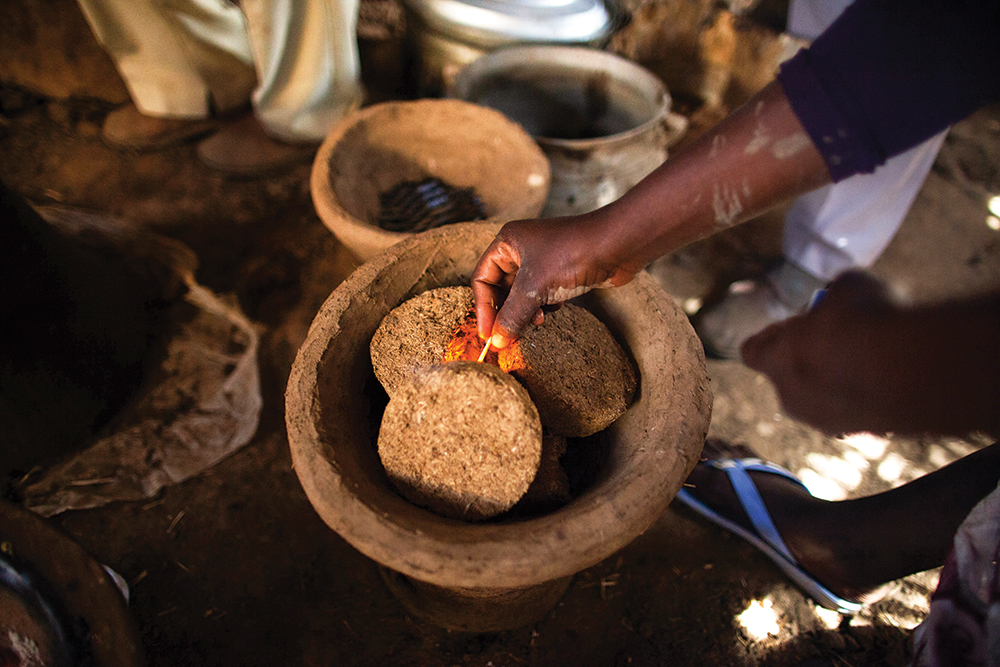
- Modern Cooking Appliances: The use of modern cooking appliances, such as gas stoves and electric ovens, has transformed traditional cooking methods. While open-fire cooking and clay ovens remain prevalent in rural areas, modern appliances are increasingly used in urban households.
- Health and Nutrition Awareness: There is a growing awareness of health and nutrition in Darfur, leading to changes in dietary practices. Efforts to promote balanced diets, reduce the consumption of unhealthy fats, and incorporate more fruits and vegetables are influencing culinary habits.
The culinary traditions of Darfur are a testament to the region’s rich cultural heritage and adaptability. The diverse range of traditional foods, cooking methods, and cultural practices reflects the ingenuity and resilience of Darfurian communities. While contemporary influences continue to shape the region’s cuisine, the core values of hospitality, communal sharing, and cultural pride remain integral to Darfurian culinary traditions. By exploring and preserving these culinary practices, we can gain a deeper appreciation of the cultural fabric of Darfur.