

Darfur, located in western Sudan, is a region known for its rich cultural heritage and diverse ethnic composition. Traditional attire and adornments in Darfur reflect the cultural identity, social status, and daily life of its inhabitants. These elements of dress and decoration are deeply rooted in the region’s history and cultural practices, serving as symbols of belonging and expressions of beauty. This section explores the traditional clothing and adornments of various ethnic groups in Darfur, highlighting their significance and cultural meanings.
Traditional Attire
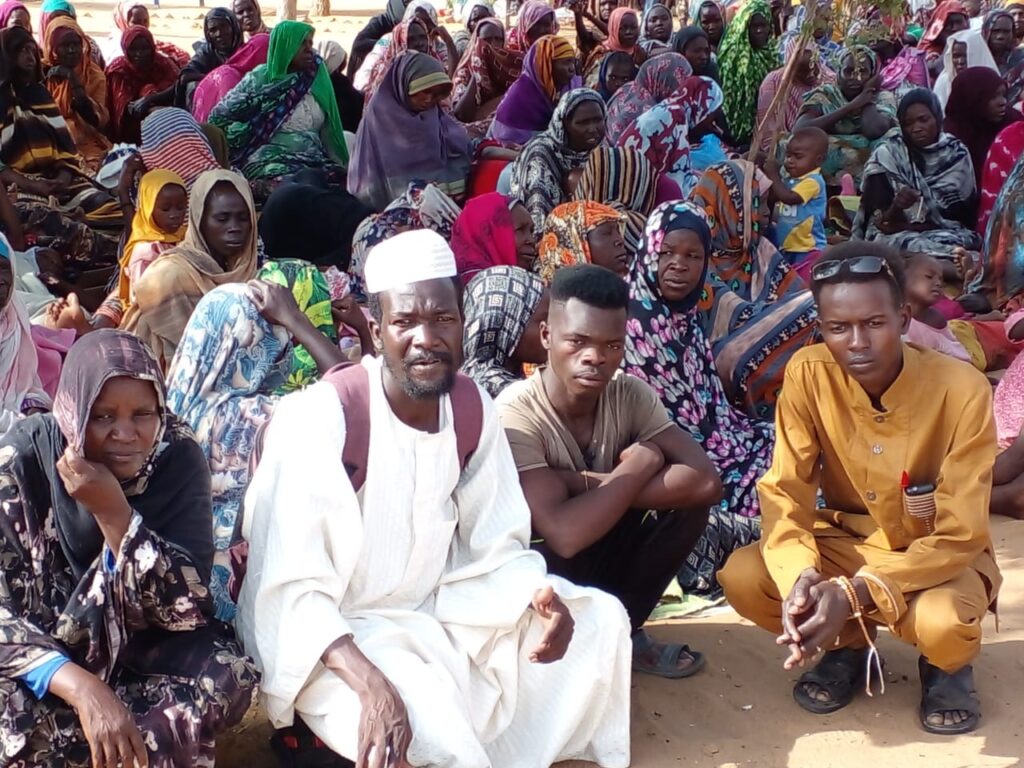
The traditional attire in Darfur varies among different ethnic groups, but certain common elements can be identified. The clothing is often designed to be practical and suitable for the region’s climate, while also reflecting cultural and social values.
Men’s Attire
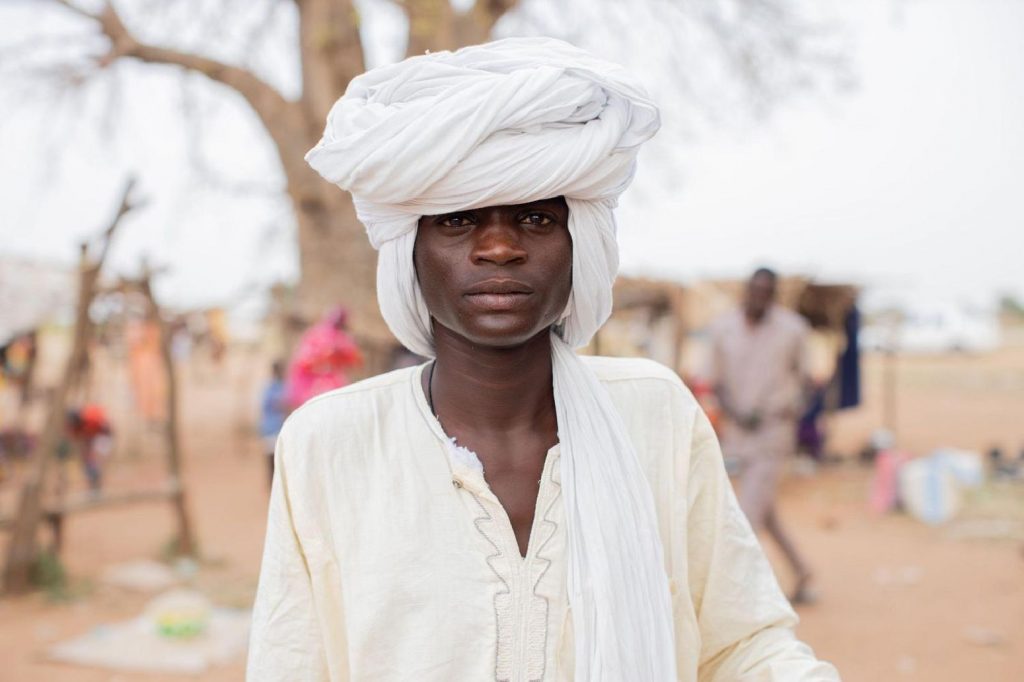
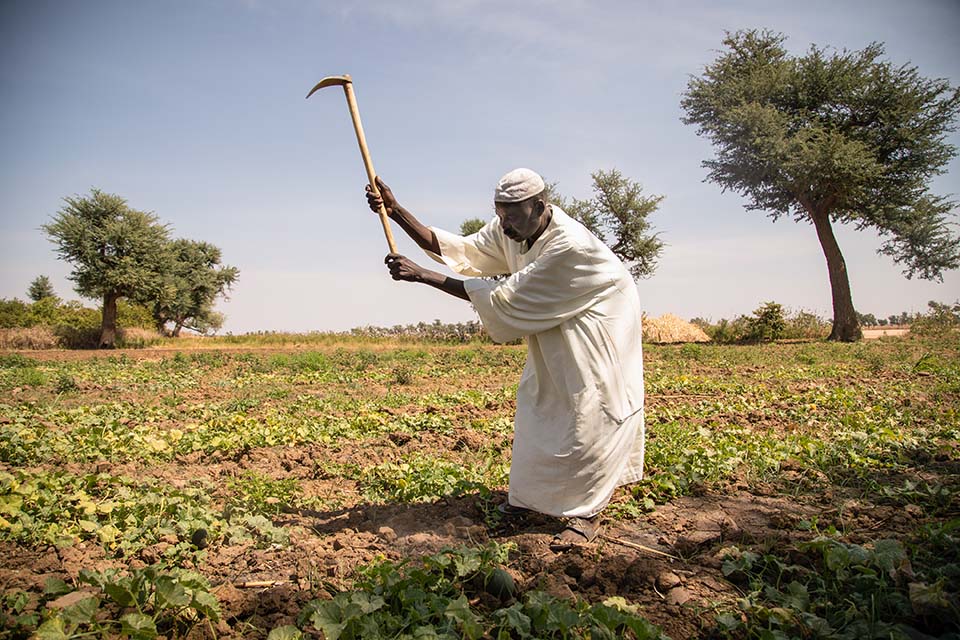
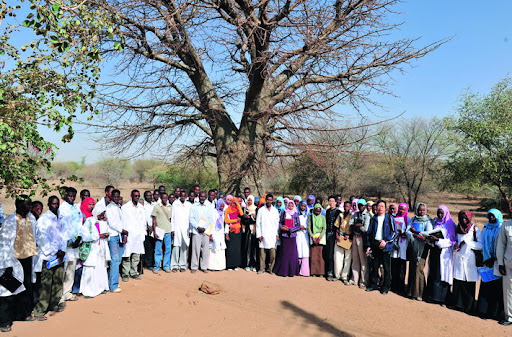
Men in Darfur typically wear loose-fitting garments that provide comfort in the hot, arid climate. The jalabiya, a long, flowing robe made of lightweight fabric, is a common garment worn by men. It is often paired with a turban, known as an imama, which serves to protect the head from the sun and dust. The colors and patterns of these garments may vary, but white is a popular choice due to its heat-reflecting properties.

Women’s Attire
Women in Darfur traditionally wear colorful and elaborate clothing that combines practicality with aesthetic appeal. The tob, a large piece of cloth wrapped around the body, is a staple of women’s attire. It is often made of brightly colored or patterned fabric and can be draped in various styles. Underneath the tob, women may wear a simple dress or a skirt and blouse. The choice of colors and patterns in women’s clothing often reflects personal taste, social occasions, and cultural identity.
Children’s Attire
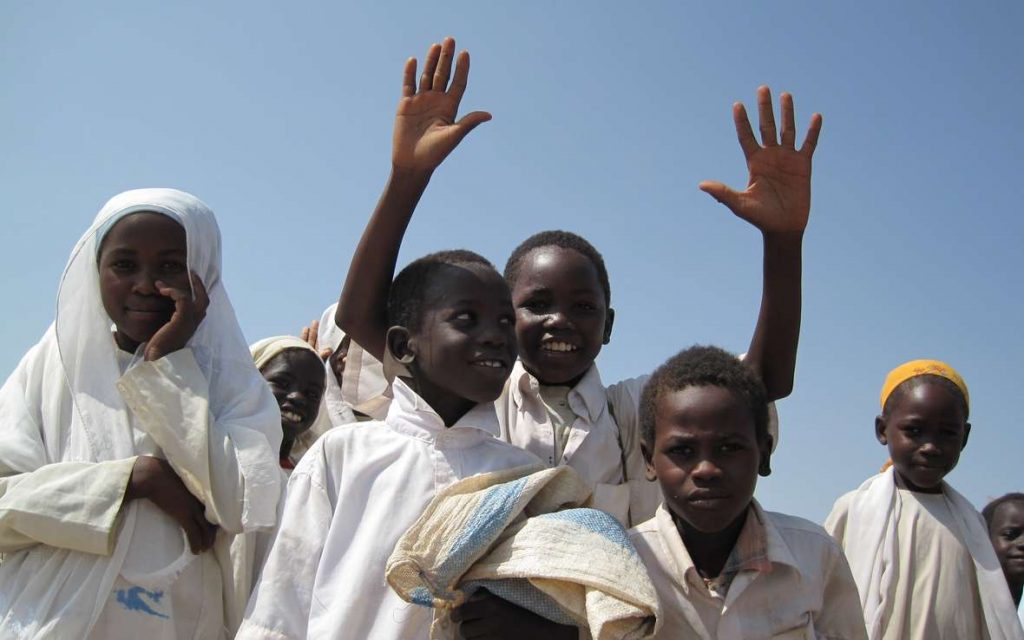
Children’s clothing in Darfur is similar to that of adults but is often simpler and more functional. Young boys may wear smaller versions of the jalabiya, while girls often wear dresses or skirts and blouses. The attire for children is designed to allow freedom of movement and comfort, which is essential for their active lifestyles.
Adornments and Accessories
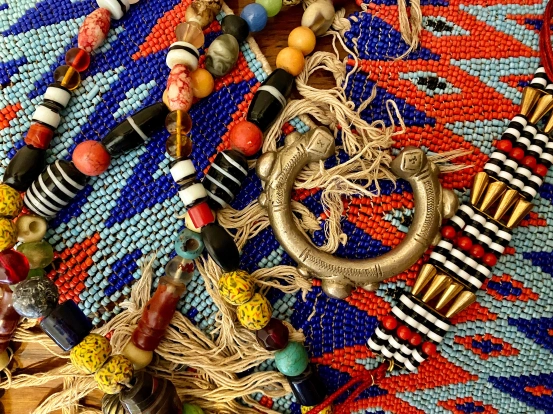
Adornments and accessories play a significant role in traditional dress in Darfur. These decorative elements are used to enhance beauty, signify social status, and express cultural identity. They include jewelry, body art, and other decorative items.
Jewelry
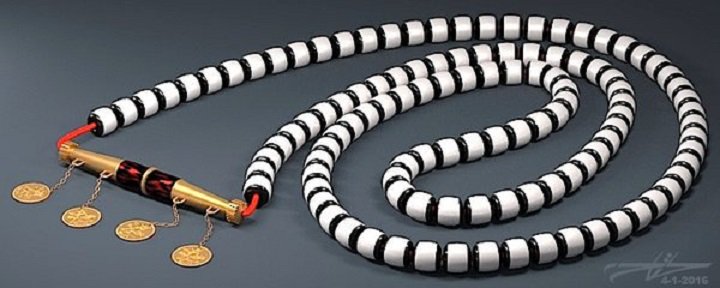
Jewelry is an important aspect of adornment in Darfur, with both men and women wearing various types of ornaments. Women often wear necklaces, bracelets, earrings, and anklets made of beads, silver, or other materials. The designs and styles of jewelry can vary widely, with some pieces being passed down as family heirlooms. Men may also wear jewelry, such as rings or bracelets, often made of metal or leather.
Henna
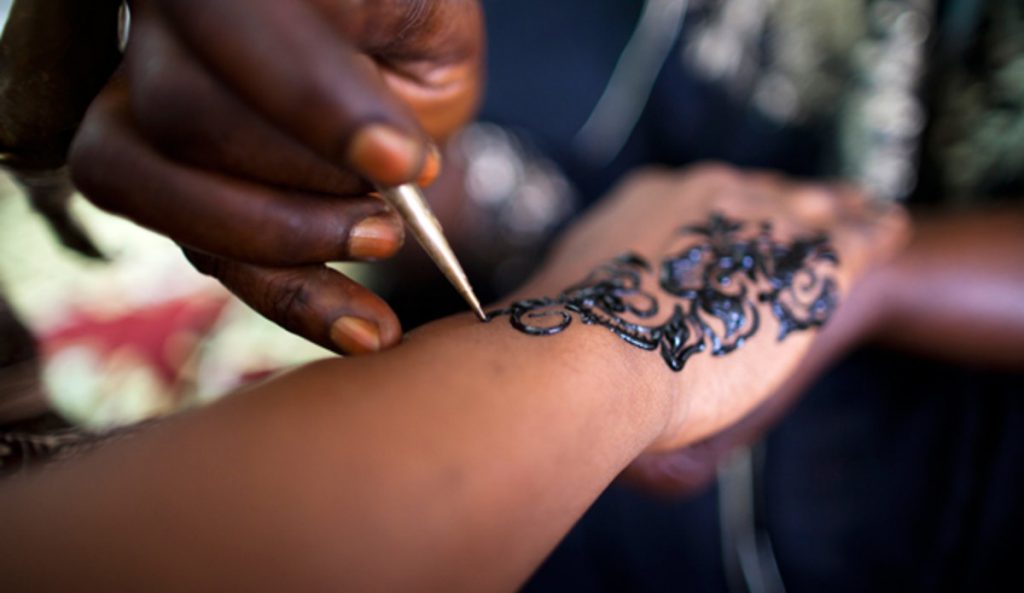
Henna body art is a traditional form of adornment for women in Darfur. It involves applying intricate patterns to the skin using a paste made from henna leaves. Henna is commonly used for special occasions, such as weddings and festivals, and the designs can vary from simple motifs to elaborate patterns covering the hands and feet. Henna is not only a decorative art form but also holds cultural and symbolic meanings.
Head and Hair Decorations
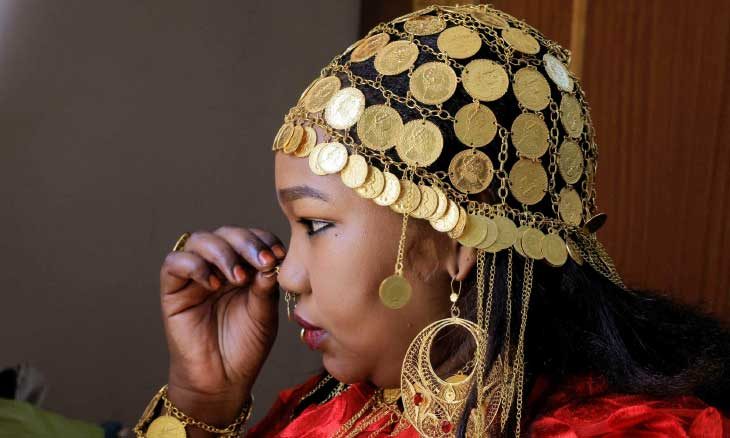
Head and hair decorations are common in Darfur, with women often adorning their hair with beads, combs, and other decorative items. Headscarves and veils are also worn, adding an additional layer of adornment to traditional attire. The styles and materials used for head and hair decorations can indicate cultural affiliation and social status.
Cultural Significance and Social Meanings
The traditional attire and adornments of Darfur are imbued with cultural significance and social meanings. They serve as expressions of identity, markers of social status, and symbols of cultural heritage.
- Cultural Identity: Traditional clothing and adornments are powerful expressions of cultural identity in Darfur. They reflect the customs, values, and aesthetics of different ethnic groups, serving as visual representations of cultural belonging. By wearing traditional attire, individuals affirm their connection to their cultural heritage and community.
- Social Status: The choice of attire and adornments can also indicate social status and wealth. For example, the quality and intricacy of jewelry, the types of fabric used in clothing, and the complexity of henna designs can signal an individual’s social standing. These elements are often used to showcase wealth, prestige, and social influence.
- Rituals and Celebrations: Traditional attire and adornments play a central role in rituals and celebrations in Darfur. Special clothing and accessories are worn for weddings, religious ceremonies, and festivals, highlighting their importance in marking significant life events. These occasions provide opportunities for individuals to display their cultural pride and artistic creativity.
Contemporary Influences and Adaptations
While traditional attire and adornments continue to hold cultural significance in Darfur, contemporary influences have brought changes and adaptations to these practices. Modernization, urbanization, and globalization have impacted the ways in which traditional clothing and adornments are worn and perceived.
- Modern Attire: In urban areas and among younger generations, modern attire is increasingly being adopted. Western-style clothing, such as jeans, t-shirts, and dresses, is becoming more common, especially for everyday wear. However, traditional attire remains important for cultural events and special occasions.
- Fusion of Styles: There is a growing trend of blending traditional and modern styles in clothing and adornments. This fusion allows individuals to honor their cultural heritage while embracing contemporary fashion trends. For example, traditional fabrics and patterns may be incorporated into modern garment designs, creating unique and innovative fashion statements.
- Preservation Efforts: Efforts to preserve and promote traditional attire and adornments are being undertaken by various cultural organizations and communities in Darfur. These initiatives aim to document traditional practices, support local artisans, and raise awareness about the cultural significance of traditional dress.
Traditional attire and adornments in Darfur are integral to the region’s cultural heritage and social identity. They reflect the diversity, creativity, and resilience of Darfurian communities. While contemporary influences have brought changes to these practices, the enduring importance of traditional attire and adornments remains evident. By understanding and appreciating these cultural expressions, we can gain insights into the rich and complex cultural fabric of Darfur.