

Darfur, a region in western Sudan, is home to a diverse array of ethnic groups, each with their unique social structures and family dynamics. Understanding the social fabric of Darfur involves examining the roles, relationships, and cultural practices that define family life in the region. This section delves into the traditional and contemporary aspects of social structure and family life in Darfur, highlighting the significance of kinship, gender roles, marriage customs, and communal bonds.
Traditional Social Structure
The social structure in Darfur is deeply rooted in traditional practices and cultural norms, which have been passed down through generations. The primary social unit in Darfur is the extended family, which encompasses multiple generations and relatives by blood or marriage. The extended family structure plays a crucial role in providing social support, economic stability, and cultural continuity.
- Kinship and Clan Systems: Kinship ties are of paramount importance in Darfurian society. The concept of lineage and clan affiliation shapes individuals’ identities and social interactions. Clans, or sub-groups within ethnic communities, provide a sense of belonging and collective responsibility. Members of a clan often share communal resources, assist each other in times of need, and participate in collective decision-making.
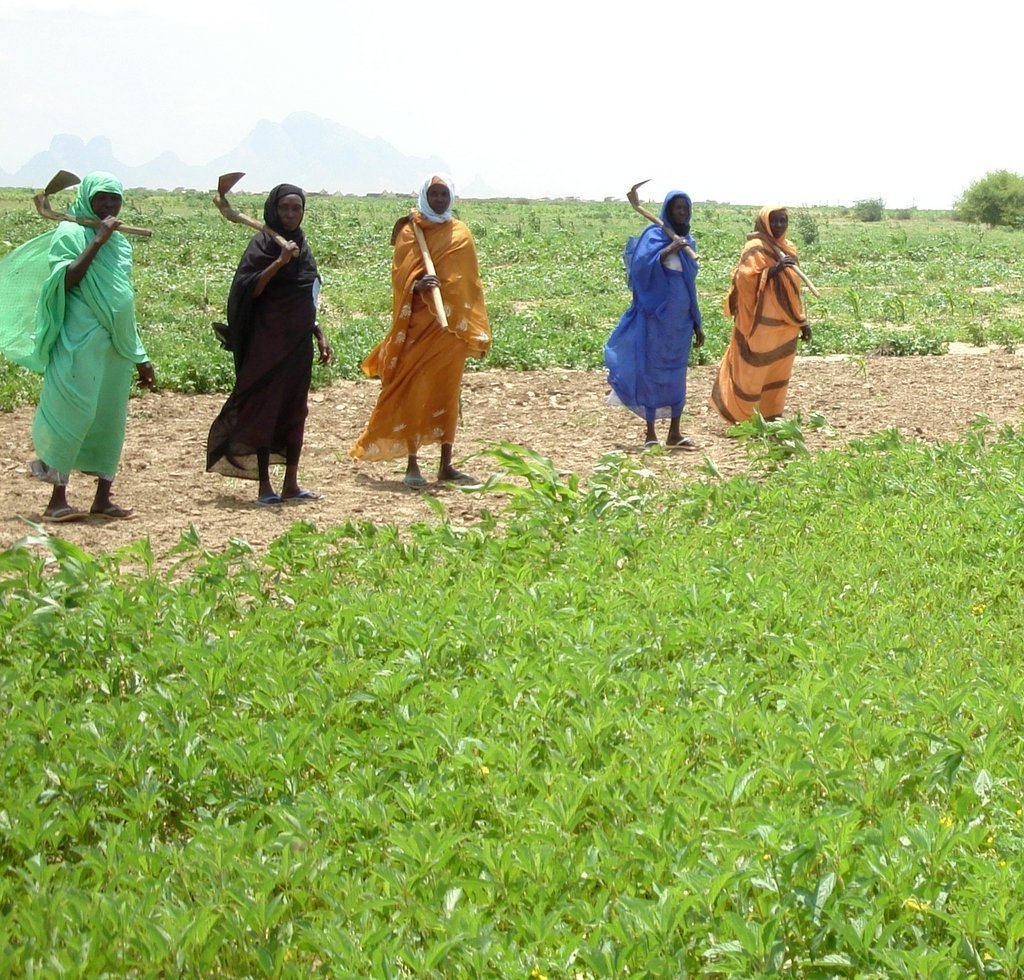
- Gender Roles: Traditional gender roles in Darfur assign specific responsibilities to men and women. Men are typically responsible for herding livestock, agriculture, and protecting the community. Women, on the other hand, are often involved in domestic tasks such as cooking, childcare, and managing the household. Women also play a significant role in small-scale farming and market activities.
- Elders and Authority: Elders hold a respected position in Darfurian society, acting as custodians of cultural knowledge and tradition. They are often consulted on matters of importance, including conflict resolution, marriage arrangements, and community governance. The authority of elders is reinforced by their experience and wisdom, making them key figures in maintaining social cohesion.
Marriage Customs and Practices
Marriage is a central institution in Darfurian society, with customs and practices that vary among different ethnic groups. Marriages are often arranged, and the process involves intricate negotiations, rituals, and exchanges.
- Arranged Marriages: Arranged marriages are common in Darfur, where families play a significant role in selecting suitable partners for their children. The process involves negotiations between the families of the bride and groom, focusing on aspects such as dowry (mahr), bride price (lobola), and other cultural considerations.
- Dowry and Bride Price: The dowry, given by the groom to the bride, and the bride price, given by the groom’s family to the bride’s family, are essential components of the marriage transaction. These exchanges symbolize the formalization of the union and the responsibilities that come with it.
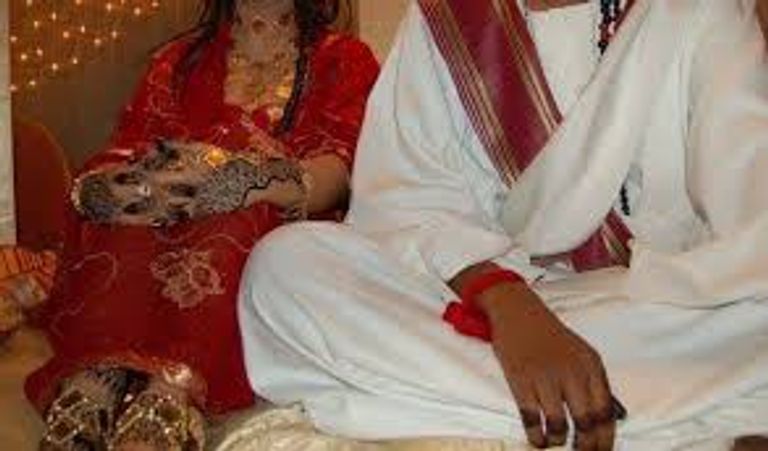
- Marriage Ceremonies: Marriage ceremonies in Darfur are elaborate events that involve various rituals, feasting, music, and dance. The ceremonies often reflect the cultural heritage of the community and serve as a celebration of the union between two families. Traditional attire, henna decorations, and ceremonial songs are integral parts of the festivities.
- Polygamy: Polygamy is practiced in some communities in Darfur, where men may have multiple wives. This practice is influenced by cultural norms, economic considerations, and religious teachings. Polygamous households often involve complex family dynamics, with each wife having specific roles and responsibilities.
Family Life and Child-Rearing
Family life in Darfur is characterized by strong communal bonds and collective responsibility. The upbringing of children is considered a shared duty, with extended family members playing active roles in their development.
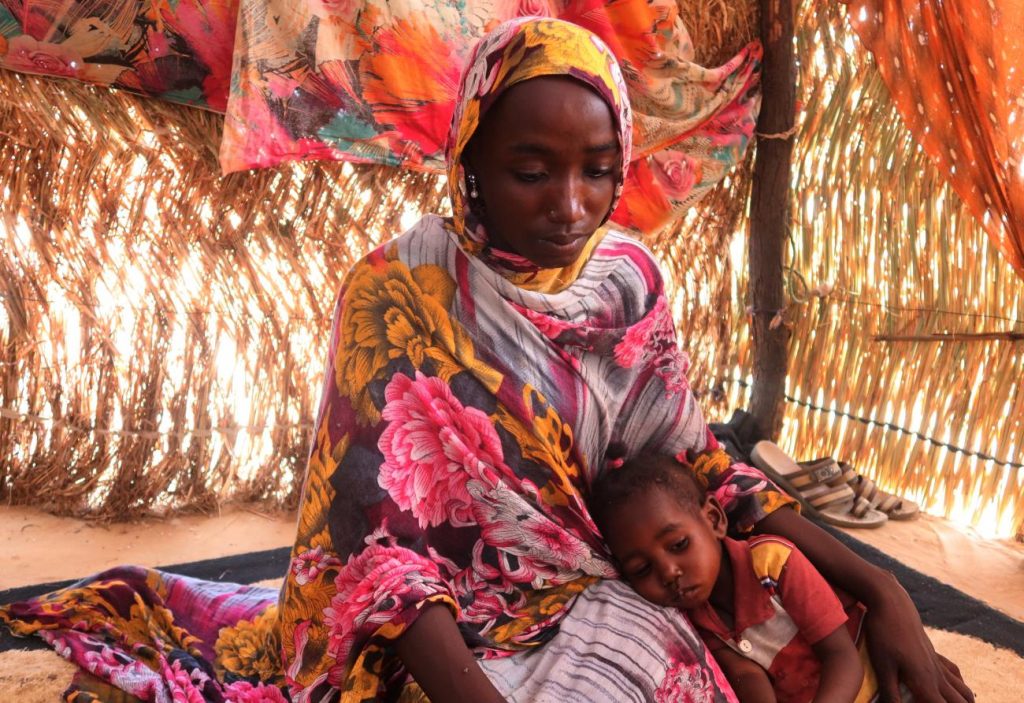
- Child-Rearing Practices: Child-rearing practices in Darfur emphasize communal involvement and the transmission of cultural values. Children are often cared for by multiple family members, including parents, grandparents, aunts, and uncles. This collective approach ensures that children receive guidance, protection, and support from a network of relatives.
- Education and Socialization: The education of children in Darfur includes both formal and informal components. Formal education takes place in schools, where children learn academic subjects and religious teachings. Informal education occurs within the family and community, where children are taught practical skills, cultural traditions, and social norms through observation and participation.
- Rites of Passage: Rites of passage mark significant milestones in the lives of individuals in Darfur. These rituals, which include naming ceremonies, circumcision, and initiation rites, symbolize the transition from one stage of life to another. They are important for reinforcing cultural identity and social bonds.
Contemporary Challenges and Changes
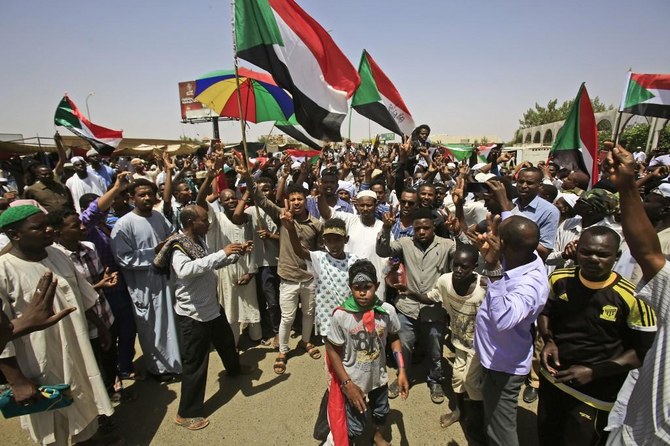
The social structure and family life in Darfur have been affected by various contemporary challenges, including conflict, displacement, and socio-economic changes. These factors have implications for traditional practices and family dynamics.
- Conflict and Displacement: The ongoing conflict in Darfur has led to the displacement of communities, disrupting traditional social structures and family networks. Displaced families face challenges in maintaining their cultural practices, accessing resources, and ensuring the well-being of their members.
- Urbanization and Modernization: Urbanization and modernization have brought changes to family life in Darfur. The migration of individuals to urban areas in search of education and employment opportunities has altered traditional family structures. Nuclear families are becoming more common, and traditional gender roles are being redefined.
- Economic Pressures: Economic pressures, including poverty and resource scarcity, have an impact on family life in Darfur. Families may face difficulties in providing for their members, leading to changes in household dynamics and decision-making processes.
The social structure and family life in Darfur are deeply rooted in cultural traditions and communal values. Despite the challenges posed by conflict, displacement, and modernization, the resilience of Darfurian families and communities remains evident. The intricate kinship ties, marriage customs, and child-rearing practices reflect the region’s rich cultural heritage and the enduring importance of family in Darfurian society. As the region continues to navigate contemporary changes, the strength and adaptability of its social fabric will play a crucial role in shaping its future.