

Darfur, a region in western Sudan, has a rich and diverse religious and spiritual landscape that has been shaped by its complex history, cultural interactions, and social dynamics. This essay explores the religious and spiritual practices in Darfur, the influence of Islam, the role of Sufism, and the impact of indigenous beliefs on the region’s cultural fabric.
The Predominance of Islam
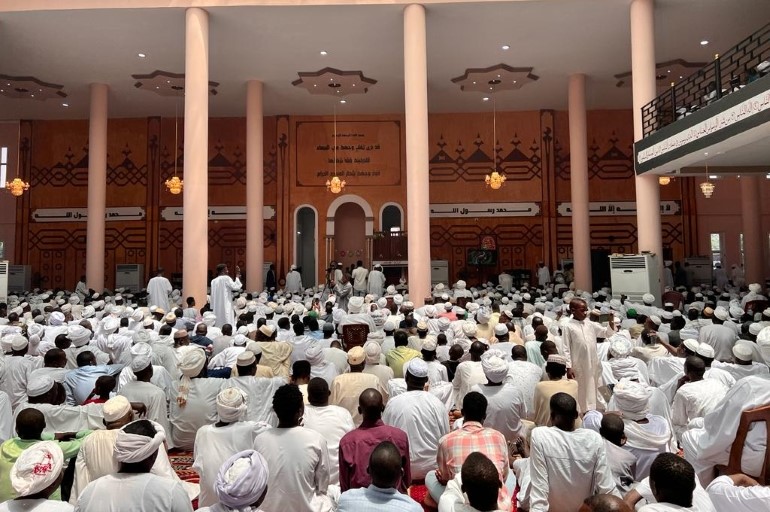
Islam is the predominant religion in Darfur, deeply influencing the region’s culture, social structures, and daily life. The spread of Islam in Darfur can be traced back to the early Islamic empires and trade routes that facilitated the exchange of goods, ideas, and religious beliefs.
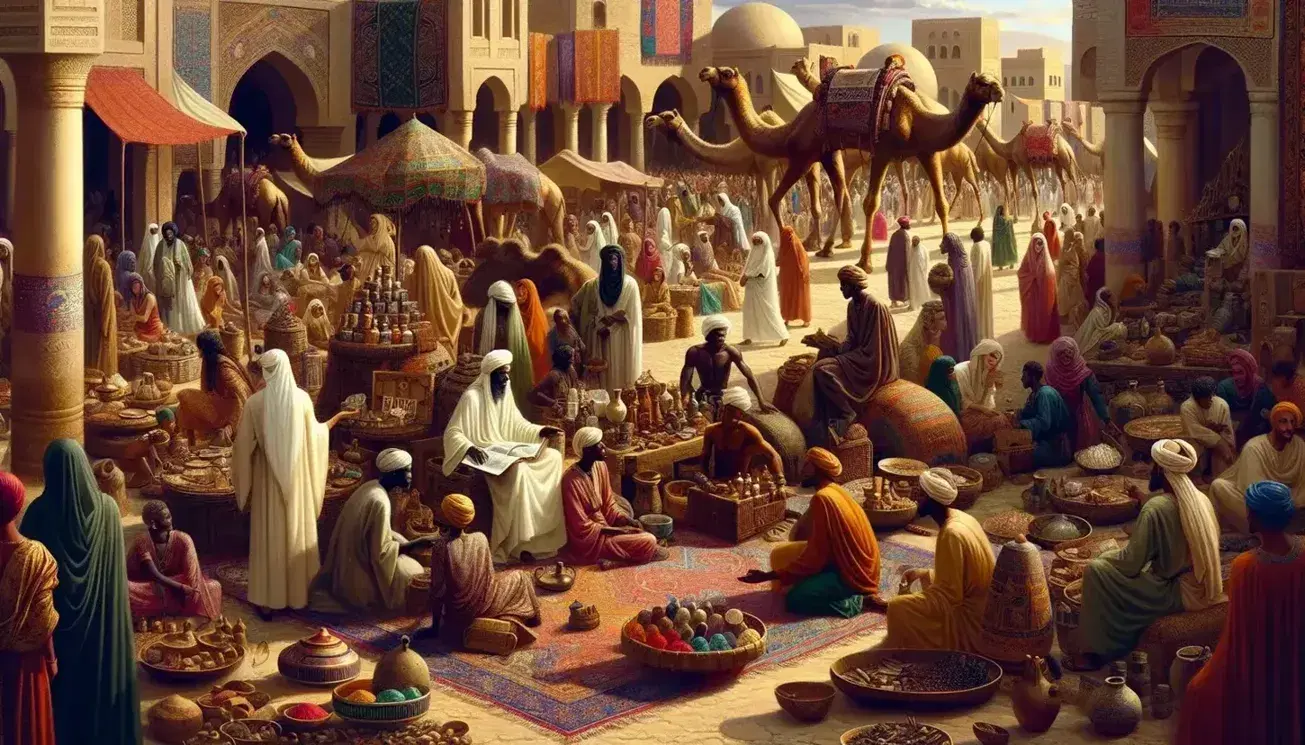
- Historical Spread of Islam: Islam began to take root in Darfur during the medieval period, with the arrival of Muslim traders and scholars. The Fur Sultanate, established in the 17th century, played a significant role in promoting Islam through the construction of mosques, the establishment of religious schools, and the patronage of Islamic scholars.
- Religious Practices: The Five Pillars of Islam—Shahada (faith), Salah (prayer), Zakat (charity), Sawm (fasting), and Hajj (pilgrimage)—are central to the religious life of Darfurians. Daily prayers, fasting during Ramadan, and the giving of alms are widely observed. The pilgrimage to Mecca, although challenging for many due to economic and logistical constraints, remains an important spiritual goal for Muslims in Darfur.
The Role of Sufism
Sufism, a mystical branch of Islam, has a significant presence in Darfur. Sufi practices emphasize the inner, spiritual journey towards God, often through rituals, poetry, and communal gatherings.
- Sufi Orders (Tariqas): Several Sufi orders, known as tariqas, are active in Darfur, each with its own spiritual lineage and practices. Prominent Sufi orders in the region include the Qadiriyya, the Tijaniyya, and the Sammaniyya. These orders have established khanqahs (Sufi lodges) where adherents gather for worship, instruction, and spiritual development.
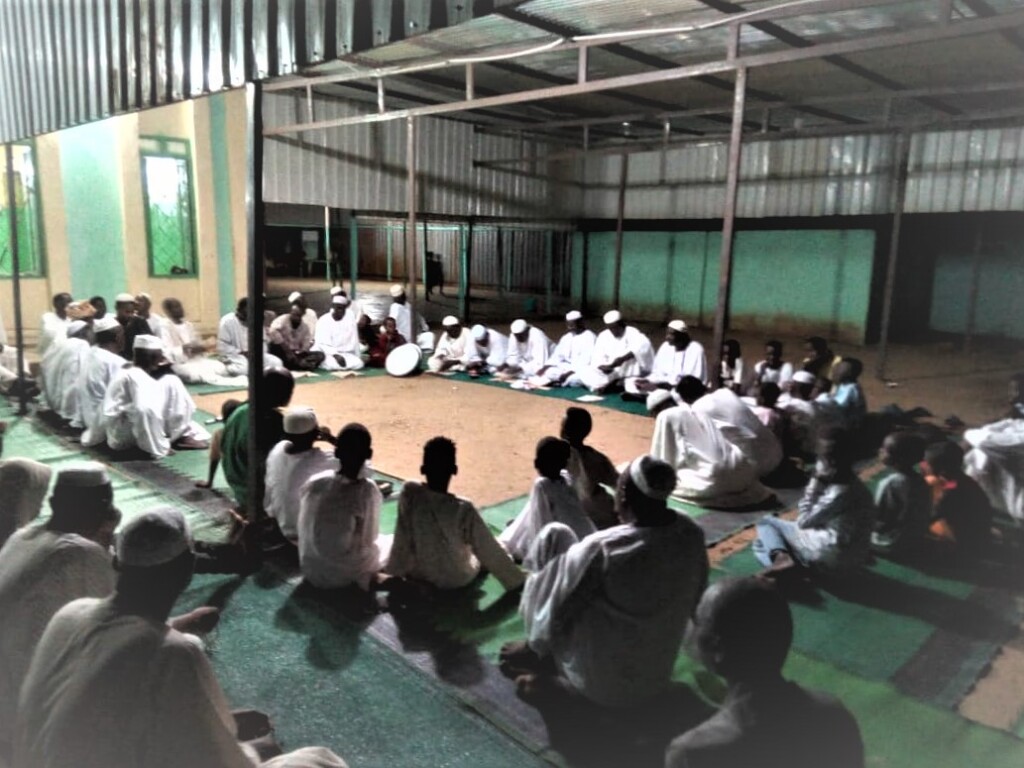
- Dhikr and Mawlid: Dhikr, the remembrance of God through repetitive chanting and recitation of God’s names, is a central Sufi practice in Darfur. Mawlid, the celebration of the Prophet Muhammad’s birthday, is another important event, marked by communal prayers, feasting, and the recitation of poetry in praise of the Prophet.
- Spiritual Leadership: Sufi sheikhs and saints hold a respected position in Darfurian society. They are often regarded as spiritual guides, healers, and intercessors. Their tombs and shrines, known as qubbas, are visited by pilgrims seeking blessings and spiritual solace.
Indigenous Beliefs and Syncretism
While Islam is the dominant religion, indigenous beliefs and practices continue to influence the spiritual landscape of Darfur. These traditional beliefs often coexist with Islamic practices, resulting in a syncretic blend of religious and spiritual expressions.
- Ancestral Veneration: Ancestral veneration is a common aspect of indigenous spirituality in Darfur. People honor their ancestors through rituals, offerings, and the maintenance of sacred spaces. Ancestral spirits are believed to play a protective and guiding role in the lives of their descendants.
- Nature and Spirit Worship: Indigenous beliefs often include the worship of natural elements and spirits associated with the land. Sacred groves, rivers, and mountains are considered inhabited by spiritual beings and are sites for rituals and offerings. These practices reflect a deep connection to the natural environment and its spiritual significance.
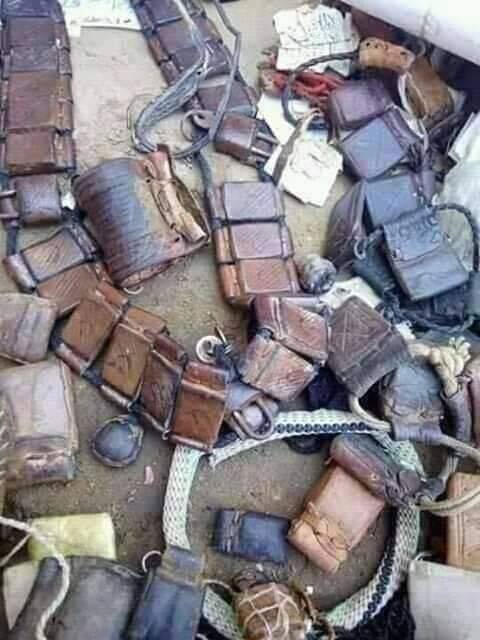
- Healing and Divination: Traditional healers, known as faki or hakims, play a crucial role in Darfurian society. They use herbal remedies, spiritual invocations, and divination techniques to diagnose and treat ailments. These healers are respected for their knowledge of both medicinal plants and spiritual practices.
Religious and Social Life
Religion and spirituality are integral to the social fabric of Darfur, influencing various aspects of community life, social interactions, and cultural expressions.
- Community and Identity: Religious practices foster a sense of community and shared identity among Darfurians. Communal prayers, festivals, and religious gatherings strengthen social bonds and provide a sense of belonging.
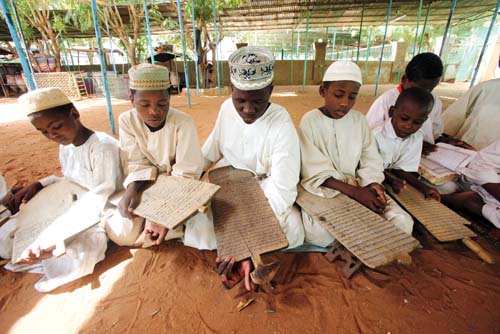
- Education and Scholarship: Islamic education has a long-standing tradition in Darfur. Quranic schools, known as khalwas, provide religious instruction to children, teaching them the Quran, Islamic jurisprudence, and Arabic literacy. These schools are often supported by the community and play a vital role in preserving religious knowledge.
- Art and Cultural Expression: Religion and spirituality are reflected in various forms of cultural expression, including music, dance, and visual arts. Religious songs and hymns, often performed during celebrations and rituals, express devotion and praise. Islamic calligraphy and geometric patterns are common motifs in Darfurian art and architecture.
Challenges and Contemporary Issues
The religious and spiritual life in Darfur faces several challenges, including political instability, social upheaval, and external influences. These factors have implications for religious practices, interfaith relations, and community cohesion.
- Conflict and Displacement: The ongoing conflict in Darfur has disrupted religious and social structures, leading to the displacement of communities and the destruction of religious sites. Displaced populations face challenges in maintaining their religious practices and accessing spiritual support.
- Interfaith Relations: While Islam is the dominant religion, Darfur’s ethnic diversity includes communities with different religious affiliations. Promoting interfaith dialogue and mutual respect is essential for fostering peaceful coexistence and social harmony.
- Modernization and Change: The influence of modernization, urbanization, and globalization has brought changes to religious and spiritual practices in Darfur. Younger generations may adopt new forms of religious expression, while traditional practices face the risk of erosion.
Religion and spirituality are deeply woven into the cultural and social fabric of Darfur. The region’s religious landscape is characterized by the predominance of Islam, the significant influence of Sufism, and the enduring presence of indigenous beliefs. These diverse spiritual expressions contribute to the richness and complexity of Darfurian culture. As the region navigates contemporary challenges, the resilience and adaptability of its religious and spiritual traditions remain a testament to the enduring spirit of its people.