

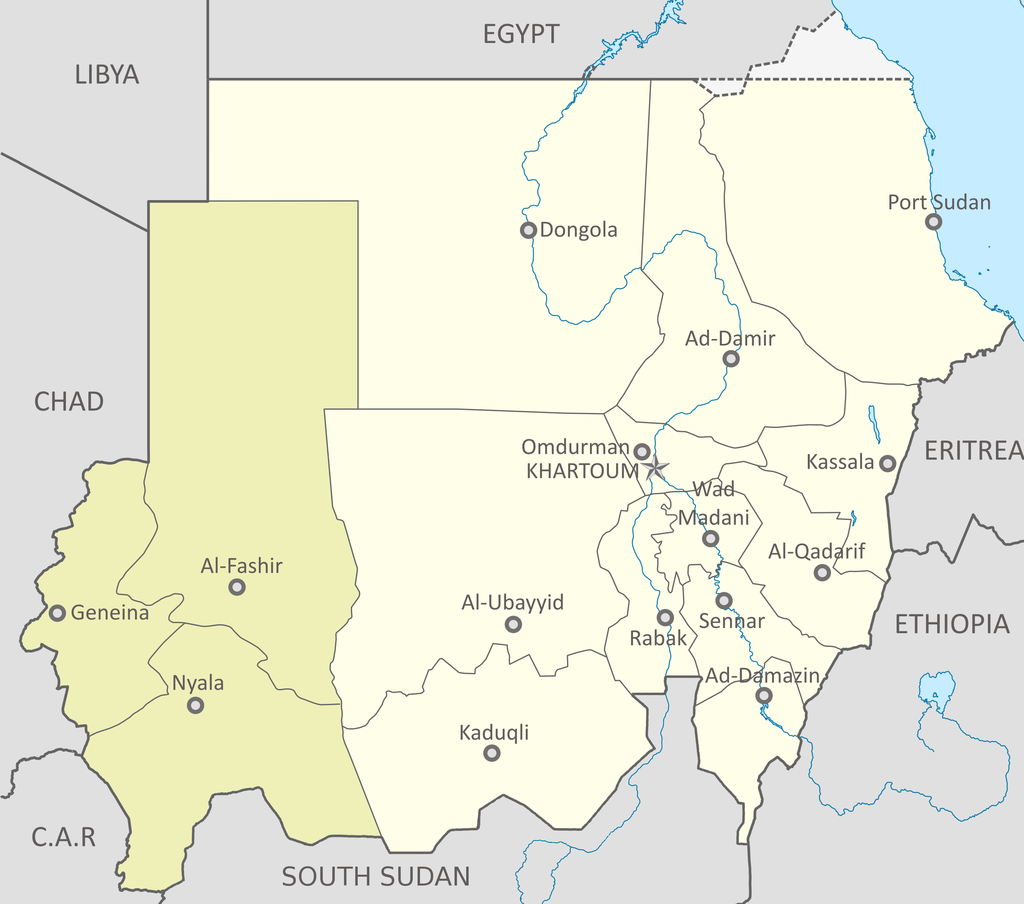
Darfur is a region of western Sudan. Dār is an Arabic word meaning “home [of]” – the region was named Dardaju while ruled by the Daju, who migrated from Meroë c. 350 AD, and it was renamed Dartunjur when the Tunjur ruled the area. Darfur was an independent sultanate for several hundred years until 1874, when it fell to the Sudanese warlord Rabih az-Zubayr. The region was later invaded and incorporated into Sudan by Anglo-Egyptian forces in 1916.
As an administrative region, Darfur is divided into five federal states: Central Darfur, East Darfur, North Darfur, South Darfur and West Darfur. Because of the War in Darfur between Sudanese government forces and the indigenous population, the region has been in a state of humanitarian emergency and genocide since 2003. The factors include religious and ethnic rivalry, and the rivalry between farmers and herders.
Geography and Environment
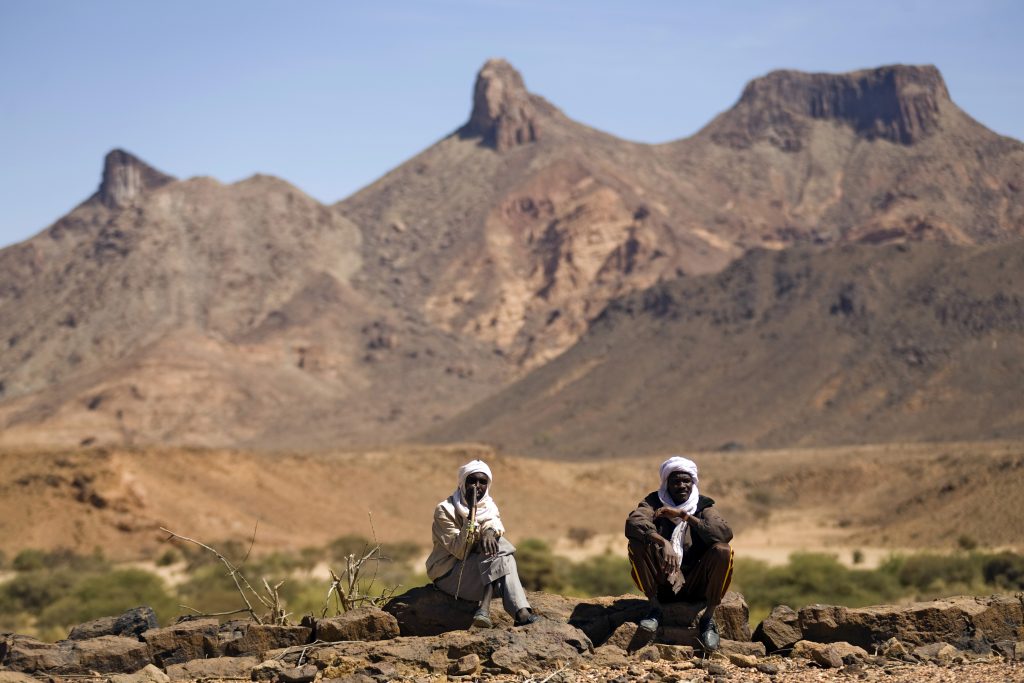
Darfur covers an area of 493,180 square kilometers (190,420 sq mi), approximately the size of mainland Spain. It is largely a semi-desert plateau with the Marrah Mountains (Jebel Marra), a range of volcanic peaks rising up to 3,042 meters (9,980 ft) of elevation above sea level, and a topographic prominence of 2512 m, in the center of the region. The region’s main towns are Al Fashir, Geneina, and Nyala.

There are four main features of its physical geography. The whole eastern half of Darfur is covered with plains and low hills of sandy soils, known as goz, and sandstone hills. In many places the goz is waterless and can only be inhabited where there are water reservoirs or deep boreholes. While dry, goz may also support rich pasture and arable land. To the north the goz is overtaken by the desert sands of the Sahara. A second feature are the wadis, which range from seasonal watercourses that flood only occasionally during the wet season to large wadis that flood for most of the rains and flow from western Darfur hundreds of kilometres west to Lake Chad. Many wadis have pans of alluvium with rich heavy soil that are also difficult to cultivate. Western Darfur is dominated by the third feature, basement rock, sometimes covered with a thin layer of sandy soil. Basement rock is too infertile to be farmed, but provides sporadic forest cover that can be grazed by animals. The fourth and final feature are the Marrah Mountains and Daju Hills, volcanic plugs created by a massif, that rise up to a peak at Deriba crater where there is a small area of temperate climate, high rainfall and permanent springs of water.

Remote sensing has detected the imprint of a vast underground lake under Darfur. The potential water deposits are estimated at 49,500 km2 (19,110 sq mi). The lake, during epochs when the region was more humid, would have contained about 2,500 km3 (600 cubic miles) of water. It may have dried up thousands of years ago.
Historical and Cultural Legacy
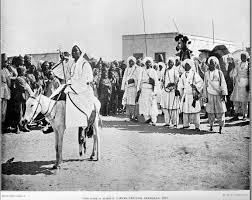
The history of Darfur is as varied as it is profound, interweaving tales of ancient kingdoms, vibrant trade routes, and cultural synthesis:
- Ancient Roots and Trade: Historically, Darfur served as a crucial crossroads for trade and cultural exchange, giving rise to a rich tapestry of languages, customs, and traditions that still resonate today.
- Cultural Vibrancy: Music, dance, oral storytelling, and artisanal crafts remain powerful expressions of Darfur’s collective identity. These cultural practices not only honor past generations but also inspire present and future efforts to preserve heritage and promote unity.
Socio-Economic Challenges and Opportunities
Darfur faces a range of challenges that are as complex as the solutions required to address them:
- Conflict and Insecurity: Historical and ongoing conflicts have left deep scars on communities. Although these challenges have fostered resilience, they also call for sustained efforts toward peacebuilding, inclusive governance, and conflict resolution.
- Humanitarian Needs: Years of instability have resulted in humanitarian crises marked by displacement, disrupted education, and limited access to essential services. Local and international partners continue to work together to address these urgent needs.
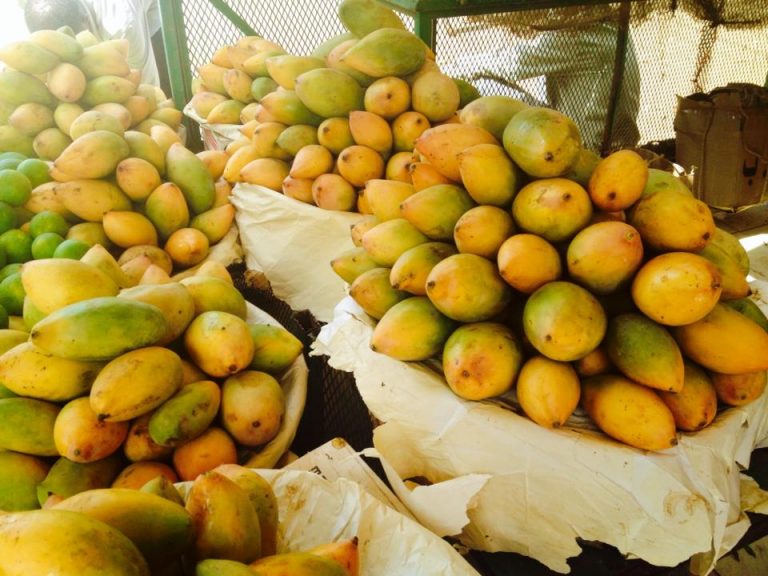
- Economic Revival: While traditional livelihoods like agriculture and pastoralism remain central, there is growing potential for economic diversification. Initiatives in renewable energy, eco-tourism, and artisanal enterprises are emerging as beacons of hope, promising sustainable development and improved quality of life.
A Vision for the Future
At the heart of Darfur 2030 is a forward-looking vision where the lessons of the past illuminate pathways to a brighter, more inclusive future:
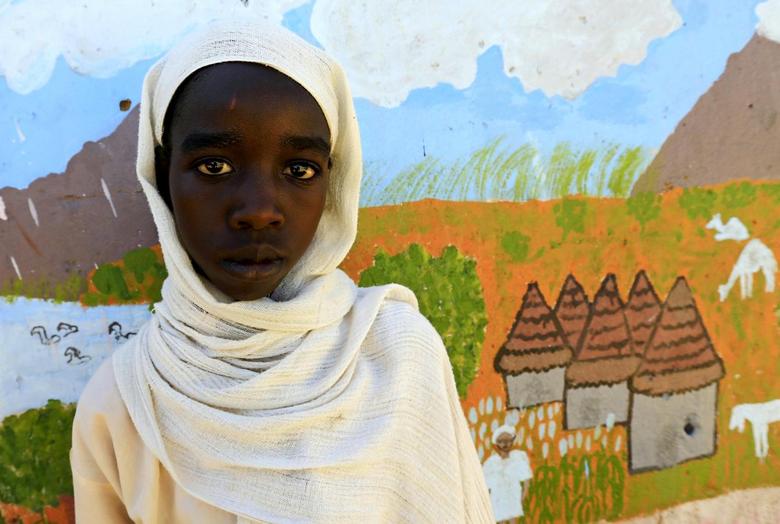
- Empowering Communities: By investing in education, skill development, and grassroots leadership, the people of Darfur are reclaiming their narrative and taking active roles in shaping policies that affect every aspect of community life.
- Sustainable Innovation: Integrating modern technology with time-honored practices, Darfur is exploring innovative approaches that balance economic growth with environmental stewardship, ensuring that progress does not come at the expense of the region’s heritage.
- Cultural Renaissance: Revitalizing local art, music, and storytelling is central to preserving the collective memory of Darfur. Such cultural initiatives not only honor the past but also serve as a catalyst for social unity and creative industry.
Join the Journey
Darfur’s story is ongoing—it’s a living narrative that continues to evolve with every community effort, policy initiative, and cultural expression. We invite you to explore the sub-pages dedicated to North, South, East, West, and Central Darfur for more detailed insights. Engage with our research, join the conversation, and become a part of the collective drive toward transformation and justice.