

Livestock and animal production are the heartbeat of Darfur’s rural economy and cultural identity. For centuries, communities in this region have relied on cattle, goats, sheep, camels, and other livestock not only as sources of food and income but also as symbols of heritage and resilience. At Darfur 2030, we celebrate the rich history and evolving practices of animal husbandry, exploring how traditional knowledge and modern innovations are working hand-in-hand to secure a more sustainable future.
Traditional Practices and Cultural Significance
A Heritage of Animal Husbandry
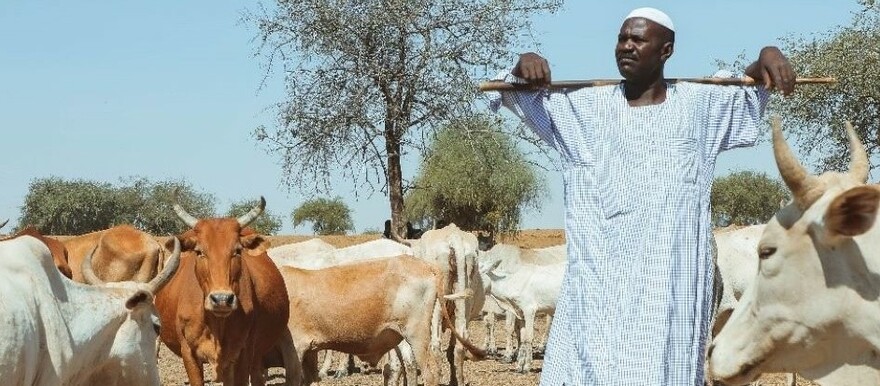
- Time-Honored Traditions: Indigenous practices have shaped livestock rearing through generations—techniques honed to maximize productivity in an arid and challenging environment. From seasonal grazing patterns to the careful selection of hardy breeds, traditional methods continue to influence modern production.
- Cultural Identity and Community Life: Livestock often play central roles in local ceremonies, dowries, and social gatherings. They are more than economic assets; they are integral to Darfur’s social fabric, consistently featured in oral traditions, folklore, and communal celebrations.
Livestock as an Economic Foundation
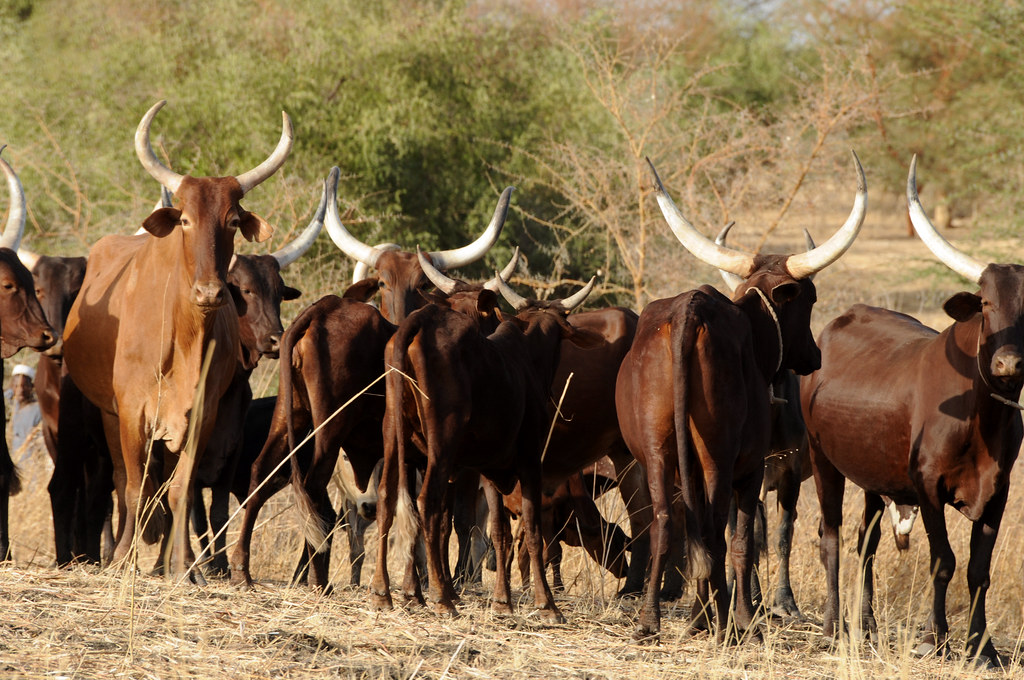
- Multi-Functional Assets: Livestock provide meat, milk, hides, and manure, all of which contribute to food security and agro-economic sustainability. In many communities, animals serve as a means of saving and capital, a form of wealth that can be mobilized during times of need.
- Integration with Traditional Agriculture: Animal production complements crop farming. Livestock contribute to soil fertility through manure, while crop residues offer valuable fodder, creating a mutually beneficial cycle that has sustained rural livelihoods for generations.
Key Livestock Species and Production Systems
The Backbone of Darfur’s Pastoral Economy
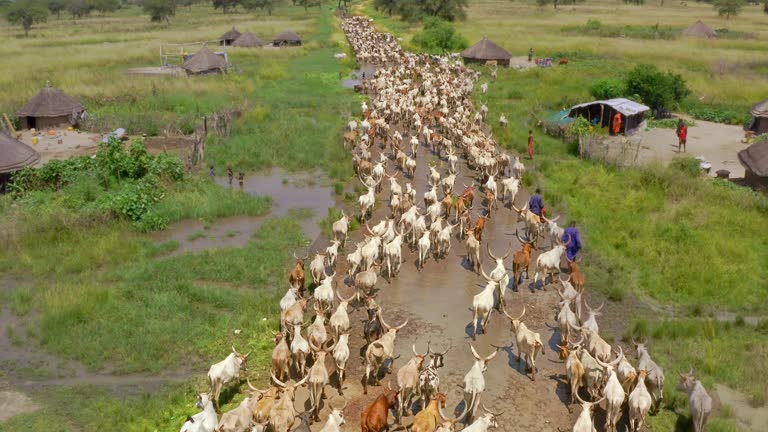
- Cattle: Essential for dairy, meat, and ceremonial functions, cattle are often managed through nomadic or transhumant systems. Their adaptability to sparse grazing conditions makes them a cornerstone of the pastoral tradition in Darfur.
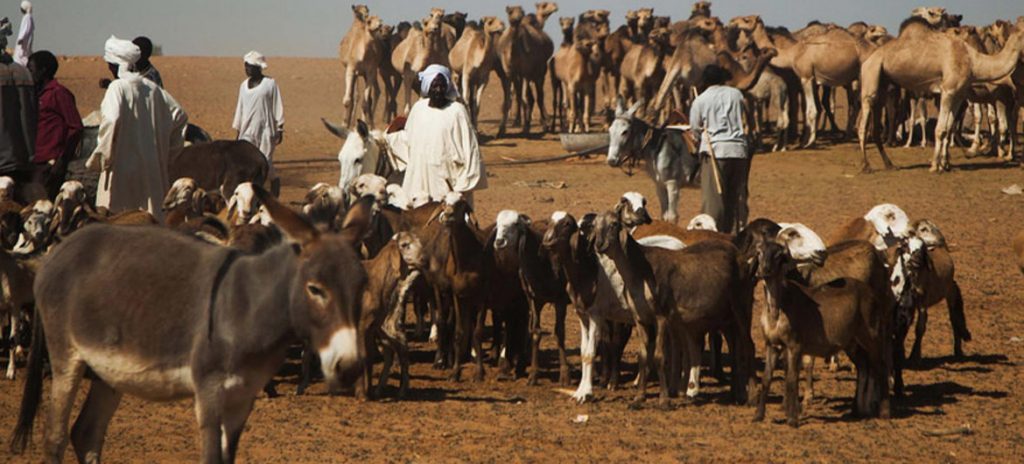
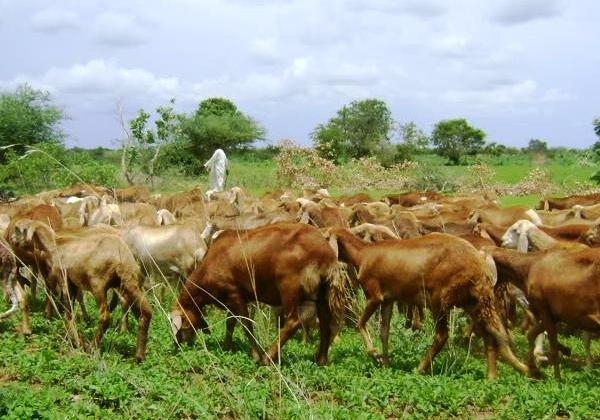
- Goats and Sheep: Known for their hardiness, goats and sheep thrive in marginal lands and provide a dependable source of meat and wool. Their smaller size and lower maintenance requirements render them especially suited to the variable environmental conditions of Darfur.
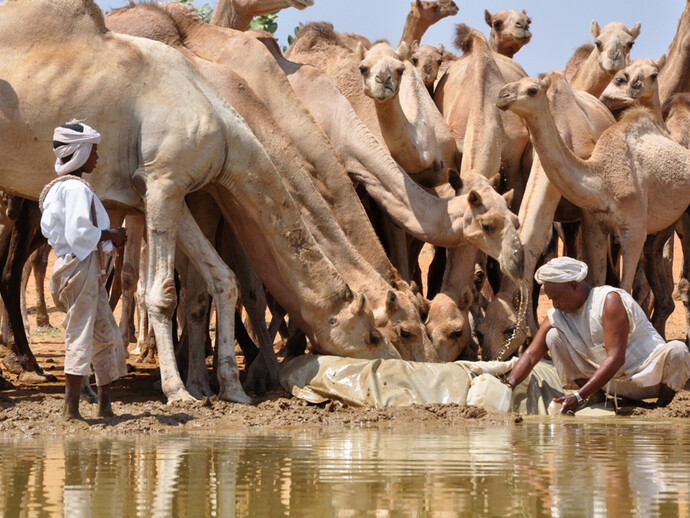
- Camels: Camels, celebrated for their ability to endure long periods without water, are critical in desert and semi-desert regions. They not only provide meat, milk, and transport but also symbolize resilience in the face of harsh climatic challenges.
Current Challenges
Navigating Environmental and Economic Pressures
- Climate Variability and Water Scarcity: Erratic rainfall and prolonged droughts place significant stress on animal production systems. Limited access to grazing lands and water resources has compelled communities to seek innovative adaptation strategies.
- Disease and Veterinary Challenges: Livestock health remains a persistent issue, exacerbated by limited veterinary infrastructure and emerging diseases. These challenges directly affect production levels and, by extension, community livelihoods.
- Market Access and Economic Marginalization: Insufficient infrastructure and connectivity hinder the efficient transportation and trade of animal products. As a result, many farmers struggle to access broader markets, limiting economic growth and sustainability.
Innovations and Sustainable Approaches
Blending Tradition with Modern Technology
- Enhanced Grazing and Water Management: New techniques in rotational grazing, sustainable water harvesting, and improved forage production are being introduced to mitigate the challenges of climate variability. These practices aim to enhance productivity while preserving the delicate balance of local ecosystems.
- Veterinary Services and Health Monitoring: Partnerships with non-governmental organizations and research institutions are expanding veterinary outreach. Mobile clinics and digital health monitoring tools are helping farmers to manage disease outbreaks and secure healthier herds.
- Market Innovation and Digital Integration: Mobile-based platforms and improved road networks are gradually connecting rural producers with urban markets and international buyers. These initiatives empower farmers with access to real-time information about market prices, weather forecasts, and best practices in animal husbandry.
The Road Ahead: Vision for Sustainable Animal Production
Toward a Resilient Future
- Empowering Communities: Strengthening agricultural extension services and vocational training will ensure that local communities can successfully integrate new technologies with age-old traditions. Empowerment through education and resource access is key to long-term sustainability.
- Inclusive Policy and Investment: Greater investment in rural infrastructure, veterinary health, and market facilitation is essential. Policies that support community-led initiatives can create a more equitable environment, ensuring that livestock production contributes robustly to national and local economies.
- Environmental Stewardship: Conservation efforts, such as the creation of community-managed grazing reserves and reforestation projects, will help secure the natural resources vital for animal production. Balancing economic growth with environmental health remains a central goal for the future.
Livestock and animal production in Darfur represent a resilient blend of tradition and innovation. Despite considerable challenges, the perseverance of its pastoral communities and the ongoing shift toward sustainable practices offer a promising glimpse into the future. At Darfur 2030, we honor this enduring heritage and support the transformative efforts that continue to shape a vibrant, sustainable agricultural frontier.