

Agriculture is the lifeblood of Darfur—a vital force that has nourished communities for centuries, shaped cultural traditions, and provided the foundation for local economies. Rooted in ancient practices and adapted through generations of hard-earned experience, Darfur’s agricultural heritage continues to evolve in the face of modern challenges. At Darfur2030.org, we celebrate the resourcefulness of local farmers and pastoralists while exploring transformative strategies aimed at ensuring a sustainable future for the region.
Traditional Agricultural Practices
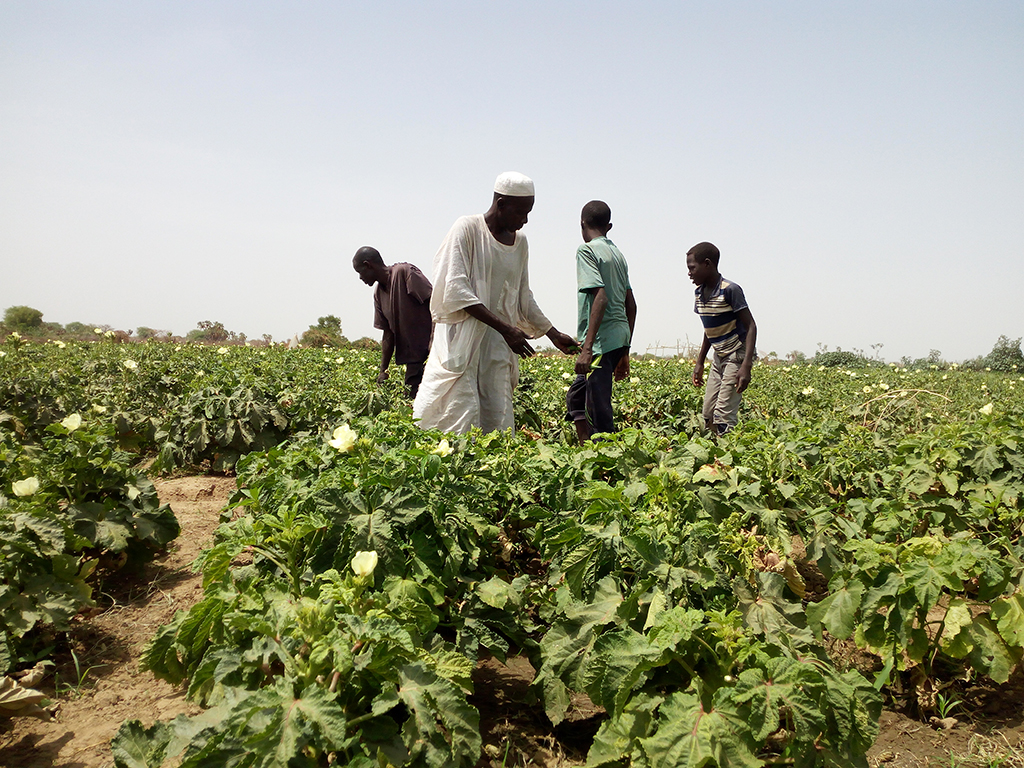
For many in Darfur, agriculture is more than an economic activity—it is a way of life:
- Subsistence Farming and Traditional Crops: Local communities have long cultivated diverse crops such as millet, sorghum, and legumes. These staples are carefully selected for their resilience in semi-arid conditions and have sustained families and communities across the generations.
- Livestock and Pastoralism: Livestock rearing—comprising cattle, goats, sheep, and camels—remains integral to Darfur’s agricultural landscape. These animals are not only sources of food and income but also play a central role in cultural rituals and social cohesion.
- Water Management and Irrigation Techniques: In an environment where rainfall is scarce and unpredictable, traditional methods such as rainwater harvesting, the use of shallow wells, and locally engineered irrigation channels have been essential for successful cultivation.
- Intergenerational Knowledge: Time-tested agricultural wisdom is passed down orally and through communal labor. This indigenous knowledge encompasses everything from crop rotation and soil conservation to pest management—all adapted to the unique climatic conditions of the region.
Challenges Facing Agriculture
Despite the enduring legacy of traditional practices, modern Darfur faces significant agricultural challenges:
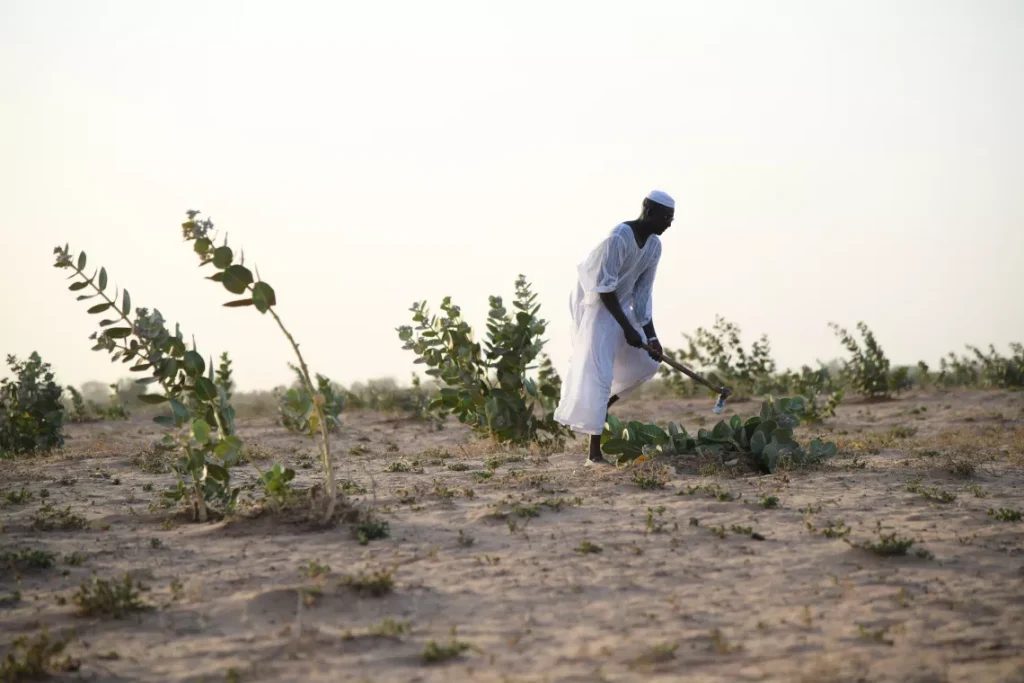
- Climate Variability and Drought: Erratic rainfall and prolonged dry spells have a profound impact on crop yields. The increasing frequency of droughts—exacerbated by climate change—places tremendous pressure on the traditional farming calendar.
- Soil Degradation and Resource Scarcity: Overuse of land, coupled with natural erosion processes in arid environments, has led to declining soil fertility. This degradation, along with limited access to fresh water, threatens the sustainability of agricultural production.
- Economic Marginalization: Historical underinvestment in rural infrastructure—such as roads, storage facilities, and market systems—hampers the efficient distribution of agricultural products. This isolation further deepens economic disparities between rural communities and urban centers.
Innovations and Sustainable Practices
In response to these challenges, a variety of innovative approaches are being employed to redefine Darfur’s agricultural future:
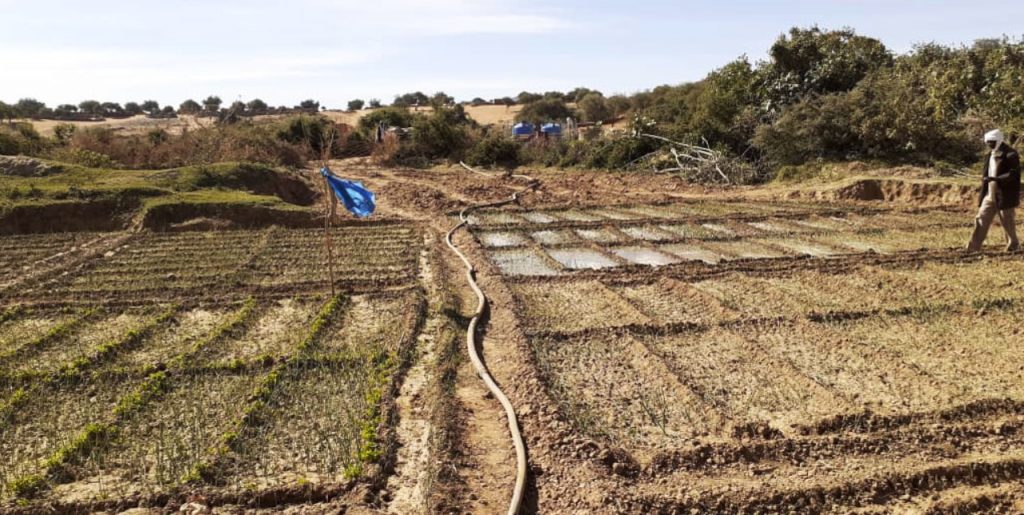
- Modern Irrigation and Water-Conservation Methods: Integrating modern technologies—such as drip irrigation systems, solar-powered pumps, and moisture sensors—helps optimize water use. These methods improve crop yields while minimizing waste, adapting age-old practices to contemporary realities.
- Agroforestry and Soil Restoration: Initiatives that combine tree planting with crop farming are underway to combat desertification and restore soil fertility. Such practices not only improve agricultural productivity but also contribute to environmental sustainability by sequestering carbon and providing windbreaks.
- Community-Led Partnerships and Knowledge Exchange: Non-governmental organizations, research institutions, and local cooperatives are collaborating with farmers to deliver training and resources. These partnerships focus on innovative crop varieties, sustainable pest management, and practical strategies for adapting to climate change.
- Digital Technologies and Market Access: Enhanced connectivity and mobile-based platforms enable farmers to access real-time weather forecasts, market prices, and expert advice. These innovations empower smallholder farmers to make informed decisions and link more effectively with regional and global markets.
Vision for the Future
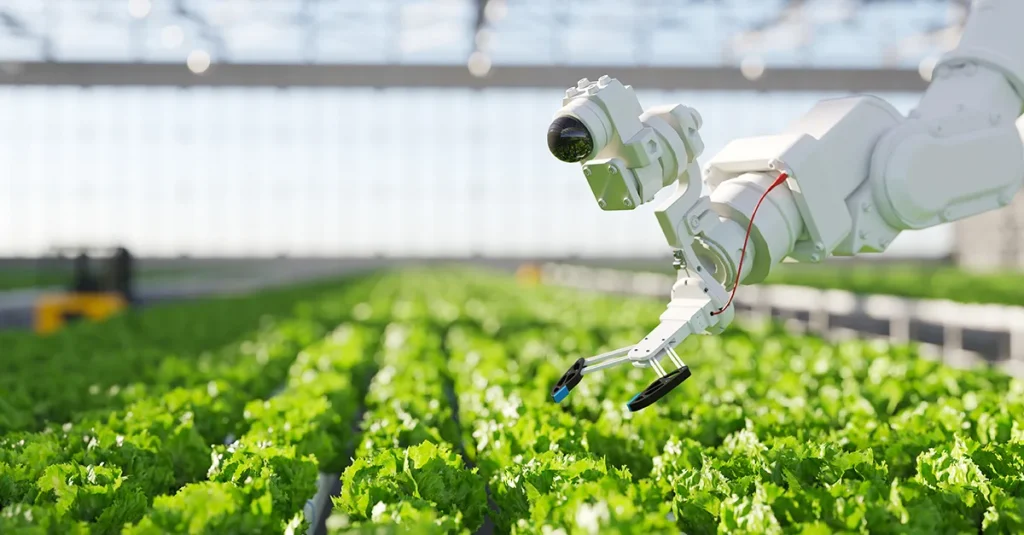
Looking ahead, the agriculture of Darfur is poised for transformation:
- Sustainable Growth and Food Security: By fusing traditional practices with innovative solutions, Darfuri communities are creating models of sustainable agriculture that ensure long-term food security and economic prosperity.
- Inclusive Policy and Investment: Future development will hinge on integrating the voices of local farmers into policy-making processes, ensuring that investments in infrastructure, education, and technology are tailored to the region’s unique needs.
- Environmental Stewardship and Resilience: Preserving the natural resources of Darfur—through responsible land management and ecological restoration—is essential for building resilience against the pressures of climate change and environmental degradation.
Agriculture in Darfur stands at a crossroads between tradition and innovation. The resilience of its communities, combined with emerging sustainable practices, provides a powerful example of how the challenges of an arid landscape can be transformed into opportunities for growth and renewal. Darfur2030.org is committed to highlighting these stories of ingenuity and perseverance as the region works to secure a vibrant and sustainable future for its people.