

Darfur’s economy is as varied and vibrant as its history. Shaped by ancient trade routes, traditional agricultural practices, and the resilience of its people, the economic landscape of Darfur has evolved over centuries. Today, while challenges remain, ongoing efforts in economic diversification, community-driven initiatives, and sustainable development continue to redefine what is possible in the region.
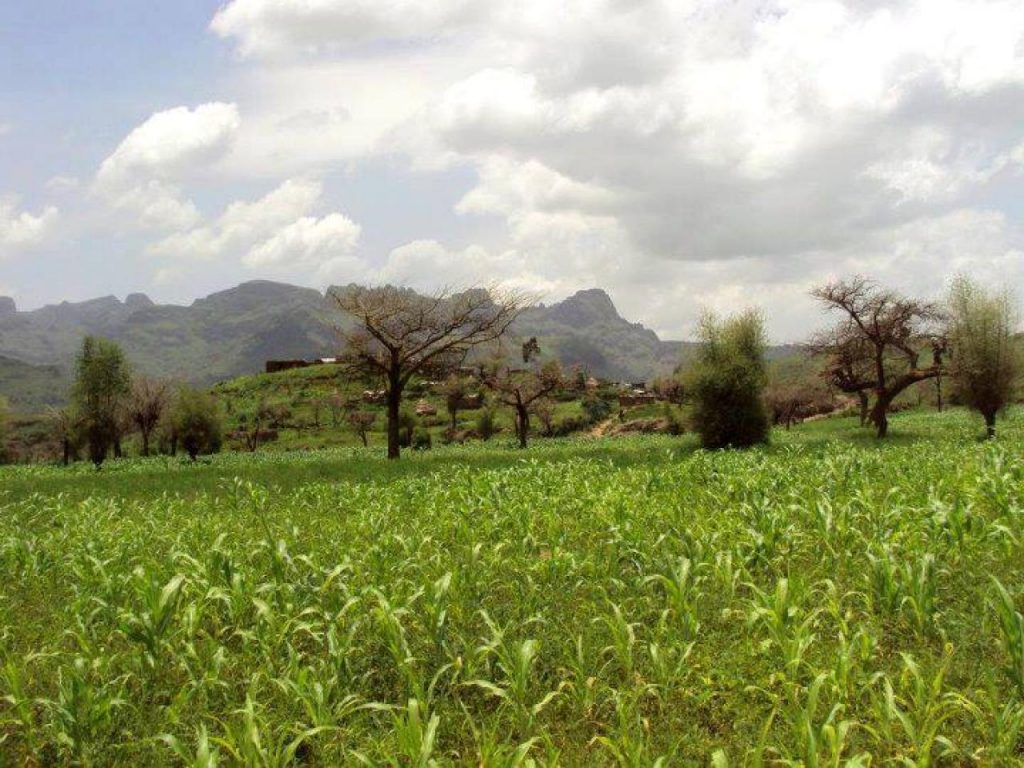
Traditional Livelihoods and Economic Foundations
For generations, Darfur’s communities have drawn on the rich natural environment and their time-honored customs to sustain their way of life:
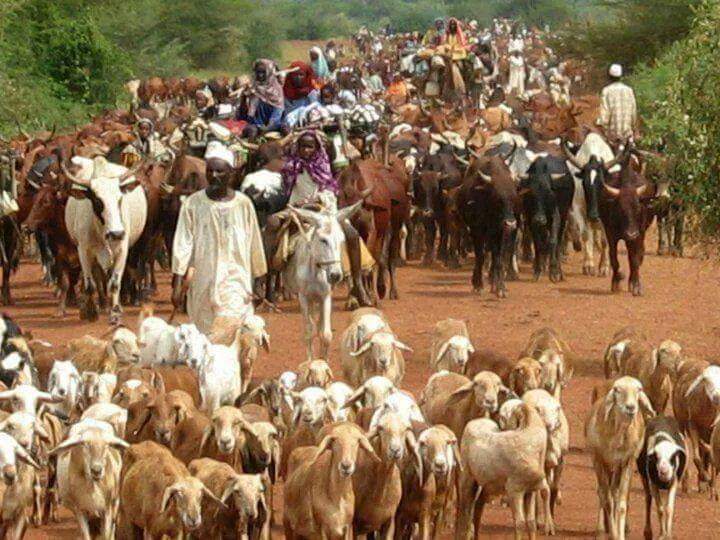
- Agriculture and Livestock: The fertile riverbanks and seasonal oases support small-scale farming and livestock rearing. Traditional methods such as mixed cropping, rainwater harvesting, and nomadic pastoralism are central to daily life—providing food, sustaining local markets, and reinforcing community bonds.
- Artisanal Crafts and Local Trade: Handcrafted goods, including textiles, pottery, and metalwork, remain integral to Darfuri culture. These products not only represent the creative heritage of the region but also fuel local economies through bustling marketplaces and inter-community trade networks.
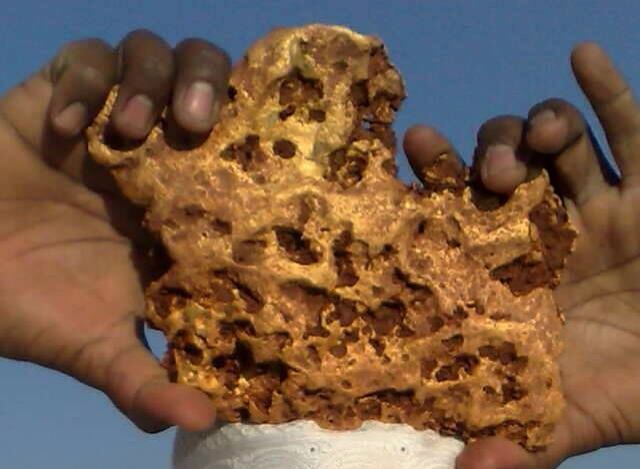
- Natural Resources: Historically, the extraction of stone, clay, and other locally available materials has provided building materials and generated external trade. The management of these assets, though traditional in many respects, reflects an early understanding of sustainable resource use that continues to inspire current practices.
Modern Economic Challenges and Opportunities
While rooted in tradition, Darfur’s economy now navigates a new era characterized by both hurdles and potential:
- Economic Marginalization and Infrastructure: Years of conflict, political marginalization, and underinvestment in infrastructure have left Darfur facing challenges such as limited access to markets, disrupted supply chains, and insufficient public services. Addressing these issues is crucial for unlocking the region’s full economic potential.
- Environmental Pressures: Climate variability, land degradation, and water scarcity directly affect agricultural productivity. In response, local communities and external partners are exploring innovative approaches—ranging from drought-resistant crops to modern irrigation techniques—that can help stabilize incomes and secure food supplies.
- Emergence of New Sectors: As traditional livelihoods coalesce with modern demands, new economic sectors are beginning to take shape. Renewable energy projects, eco-tourism initiatives, and small-scale entrepreneurship are creating alternative revenue streams that can complement the agricultural base and foster economic diversification.
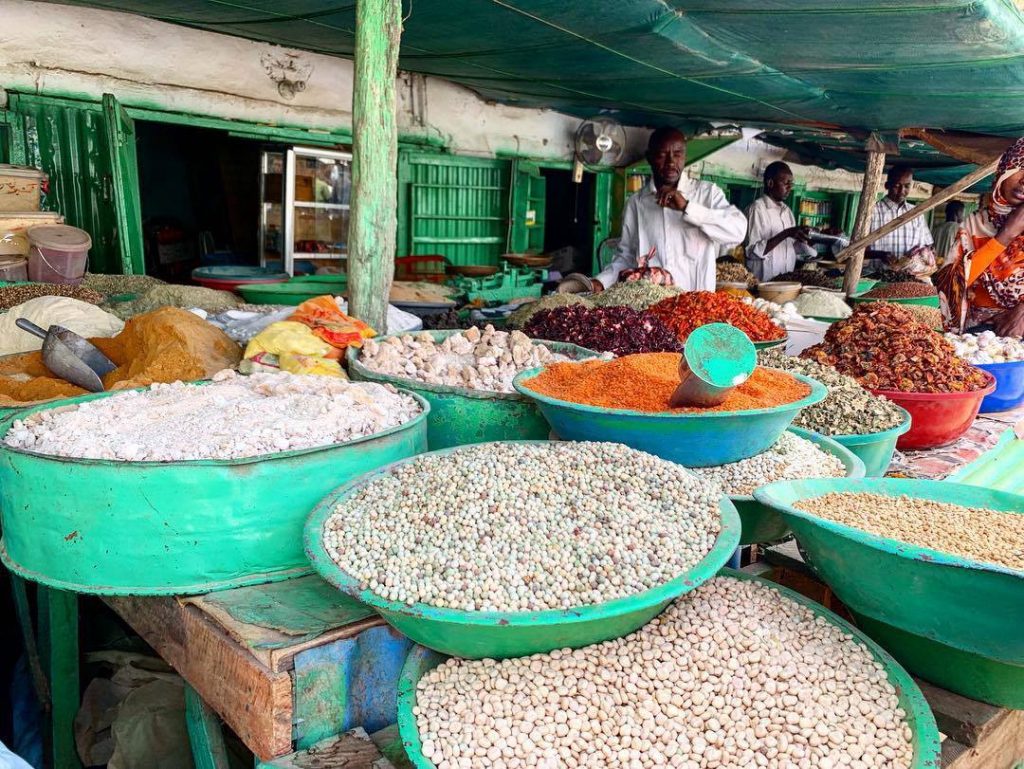
Trade, Investment, and Economic Policies
Darfur’s strategic location has always enabled economic exchange. Today, this potential is being reinvigorated through:
- Reconnecting with Regional and Global Markets: Revitalizing traditional trade routes and forging new partnerships has the power to integrate Darfur more fully within regional and international economies. Efforts include investing in transportation infrastructure and digital connectivity that can stimulate local commerce.
- Policy Initiatives and Economic Reform: Policymakers, local leaders, and international allies are collaborating to design reforms that better reflect Darfur’s unique conditions. Initiatives targeting improved governance, efficient resource management, and social inclusion are laid out to drive sustainable progress and reduce disparities.
- Community-Driven Economic Development: Grassroots projects play a pivotal role—empowering communities to manage local resources, develop micro-enterprises, and adopt sustainable practices. By combining traditional knowledge with modern technology, these initiatives highlight pathways to self-sufficiency and resilience.
The Road Ahead: Vision for a Resilient Economy
Looking to the future, the vision for Darfur’s economy is one of transformation and renewal:
- Sustainable Growth: Integrating modern technologies with indigenous practices offers a promising route to boosting productivity without compromising cultural identity or environmental health.
- Inclusive Economic Participation: Promoting policies that enable marginalized groups—especially youth, women, and rural communities—to actively participate in economic decision-making will be key to building a more equitable society.
- Long-Term Investment and Capacity Building: Strengthening educational initiatives, vocational training programs, and partnerships with external investors can help ensure that the benefits of economic growth are shared widely, setting the stage for long-term prosperity.
The economy of Darfur is a narrative of resilience and reinvention. Rooted in centuries-old practices, yet poised on the brink of transformative change, the economic future of Darfur holds the promise of sustainable development, cultural vitality, and inclusive growth. At Darfur 2030, we continue to document these evolving trends, celebrating the resourcefulness of local communities and exploring innovative pathways to economic empowerment.