

Historical developments in the region are dependent on the terrain and climate, as it is composed mostly of semi-arid plains that cannot support a dense population. The one exception is the area in and around the Marrah mountains. It was from bases in these mountains that a series of groups expanded to control the region.
This part of the world is unknown and poorly documented, especially the earlier periods. Archaeology has hardly made any progress, in part thanks to the continuing state of warfare which hinders scientific research.
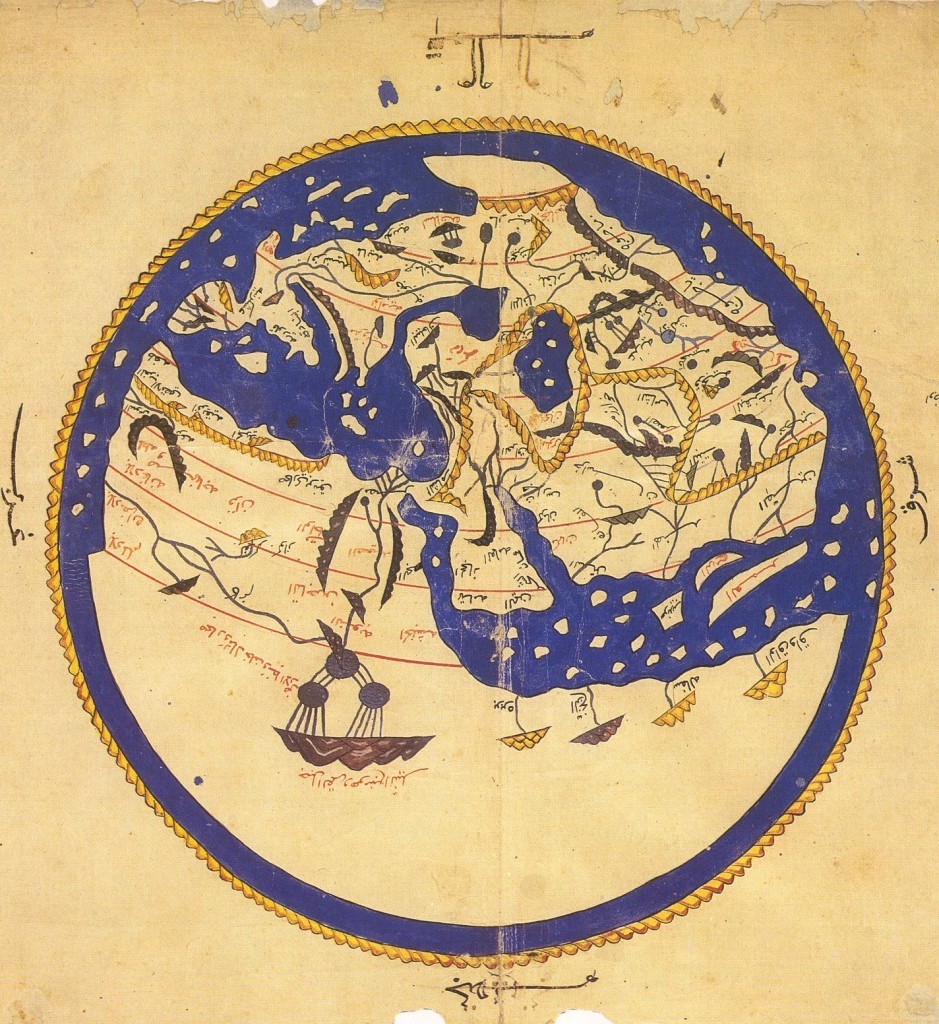
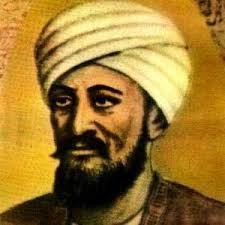
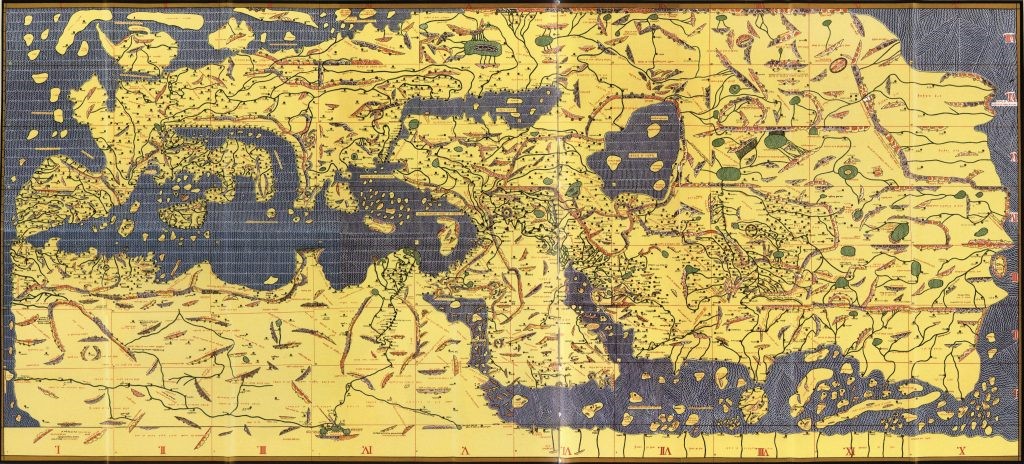
Documentary history is also rather sparse, Al-Idrisi, writing in 1154 is the first author to offer information about the region that provides any concrete detail. The Sicilian geographer describes the Daju as pagans inhabiting the region adjacent to the Nile Valley kingdoms, who possessed two towns, the first and capital being Tajuwa and a second town lying six stages away from it called Samna, which was destroyed according to a traveler in the region, by the governor of the kingdom of Nuba. The bulk of the inhabitants were nomadic with large numbers of cattle and camels, but were always subject to raiding by their neighbors.
Ancient and Prehistoric Roots
Long before modern boundaries were drawn, Darfur was home to ancient communities whose lives were intricately linked to the land. Archaeological finds and oral traditions reveal:
- Early Settlements: Evidence of early human habitation shows that Darfur’s inhabitants mastered survival techniques in arid landscapes and developed rich cultural practices.
- Cultural Foundations: The traditions and beliefs established in these early periods laid the groundwork for a complex social fabric, influencing art, language, and community organization for generations to come.
The Rise of Kingdoms and Trading Empires
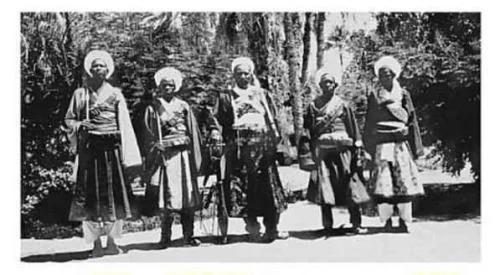
In medieval times, Darfur blossomed as centers of power, commerce, and cultural exchange:
- Political and Social Organization: Influential kingdoms emerged, forging advanced systems of governance and justice that connected communities across the region.
- Flourishing Trade: Strategic trade routes enabled the exchange of goods, ideas, and traditions, leaving an indelible mark on Darfur’s cultural and economic landscape.
- Artistic and Intellectual Achievements: Architectural marvels, literature, and crafts from this era continue to serve as proud symbols of Darfur’s heritage and ingenuity.

Colonial Encounters and Modern Struggles
The arrival of colonial powers brought profound changes to Darfur’s long-established order:
- Disruption and Transformation: European colonial policies redefined political boundaries and social structures, often challenging traditional ways of life and igniting tensions that would echo into the modern era.
- A Fight for Identity: Resistance against imposed systems and the struggle for self-determination paved the way for the post-colonial era, as the people of Darfur sought to reclaim and redefine their identity.
Contemporary History: Conflict, Recovery, and Resilience
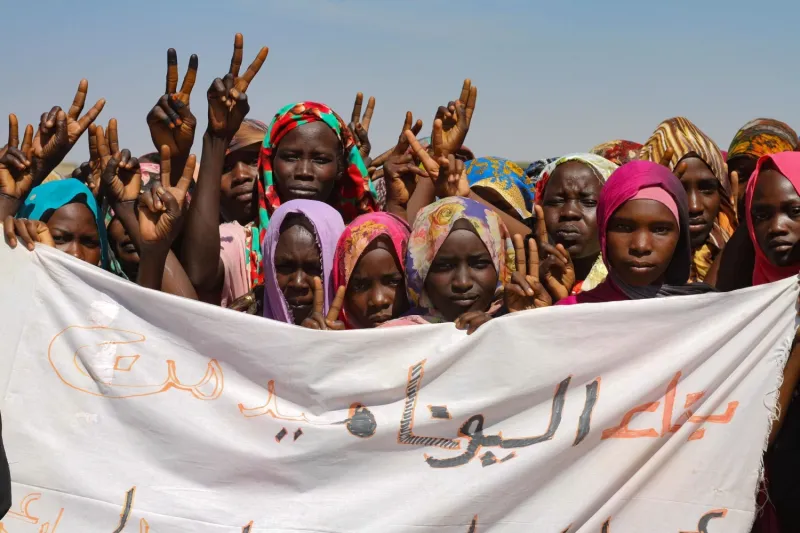
The late 20th and early 21st centuries have been a period of significant upheaval and transformation:
- Periods of Conflict: Internal strife and external pressures led to episodes of instability and displacement. Despite these hardships, the enduring spirit of Darfur’s communities shone through, as they mobilized to protect their homes and heritage.
- Humanitarian Challenges and Hope: While conflict left deep scars, it also catalyzed collaborative efforts at peacebuilding, humanitarian relief, and social reform. Local initiatives and international partnerships have played crucial roles in fostering recovery.
- Cultural Revival: A renewed commitment to preserving historical memory—through museums, educational programs, and community storytelling—ensures that the legacy of past generations continues to inspire efforts toward sustainable development and reconciliation.
Lessons from the Past and the Road Ahead
Understanding Darfur’s extensive history provides vital insights for building a future rooted in its resilient traditions:
- Wisdom in Resilience: The historical journey, marked by adaptability and strength in the face of adversity, offers valuable lessons for contemporary challenges.
- Integration of Tradition and Innovation: By embracing both ancestral knowledge and modern solutions, Darfur’s communities are crafting pathways toward a more secure, vibrant, and inclusive future.
- A Collective Responsibility: Preserving this rich historical legacy is not merely an act of remembrance—it is a commitment to shaping policies, cultural practices, and educational endeavors that honor the past while empowering future generations.
The history of Darfur is a tapestry woven from countless threads—a record of ancient wisdom, cultural splendor, trials, and triumphs. At Darfur2030.org, our mission is to share this profound legacy to inspire dialogue, foster understanding, and guide progressive change. As you explore the pages of Darfur’s history, we invite you to reflect on the enduring spirit of its people and the transformative potential that lies ahead.