

Communication is the heartbeat of development, enabling communities to share ideas, access critical information, and participate in economic and social progress. In Darfur, traditional methods of oral storytelling and community interaction have evolved into dynamic digital networks and mass media initiatives. At Darfur 2030, we explore how advancements in the communication sector are bridging geographical barriers, fostering social inclusion, and transforming the region’s future.
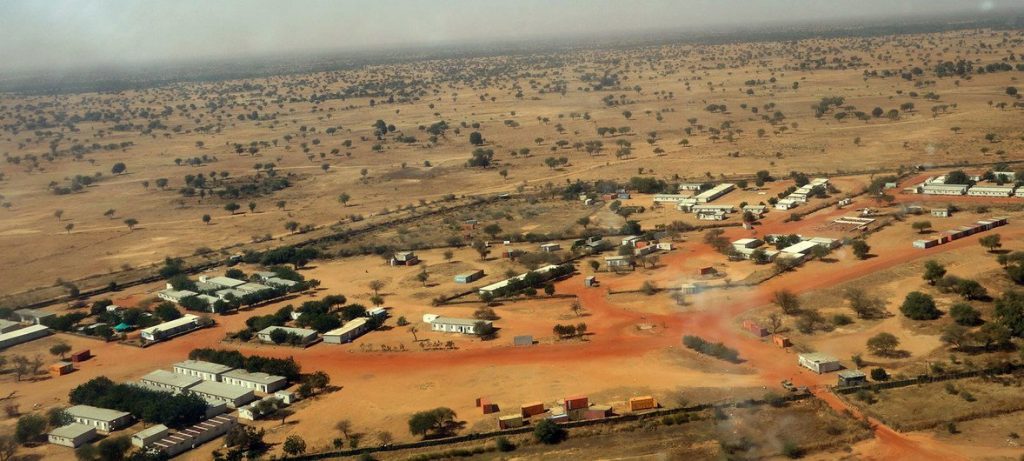
Historical Context and Traditional Communication
Oral Traditions and Community Networks
- Local Gatherings and Marketplaces: Traditional community gatherings, local markets, and religious events provided the opportunity for people to exchange news and ideas. These settings laid the foundation for communal communication and collective problem solving.
- Oral Storytelling and Cultural Transmission: For generations, Darfuri communities have relied on rich oral traditions to transmit history, culture, and social values. Storytelling—whether through spoken word, song, or ritual performance—formed a vibrant communication network that kept communities connected despite vast distances.
Modern Communication Technologies
Advancements Shaping the Present
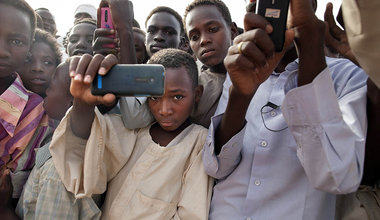
- Mobile Connectivity and Digital Access: The rapid expansion of mobile networks has revolutionized communication in Darfur. Even in remote areas, mobile phones have become a key tool for staying informed, facilitating commerce, and maintaining social ties. Text messaging and voice calls now serve as everyday means of bridging distances.
- Radio and Community Media: Radio remains a vital communication medium in Darfur—delivering educational programming, emergency alerts, and culturally relevant content that resonates with local communities. Community radio stations empower residents by providing a platform to share local news, music, and storytelling.
- Internet and Social Media: With increasing access to the internet, digital platforms have opened new avenues for communication and knowledge sharing. Social media engages youth and urban populations while serving as a forum for advocacy, education, and business innovation. Online portals and e-government services further streamline access to critical information and public services.

Challenges in the Communication Sector
Overcoming Barriers
- Infrastructure Limitations: Despite notable progress, many areas in Darfur still struggle with limited broadband connectivity and unreliable power supplies. The digital divide remains a barrier that affects remote regions, hampering consistent access to modern communication technologies.
- Economic and Resource Constraints: Insufficient investment and the high costs of technological upgrades can restrict the deployment and maintenance of advanced communication infrastructure. Addressing these gaps requires both public and private sector participation.
- Capacity Building and Digital Literacy: Ensuring that all community members can effectively use modern communication tools is essential for inclusive development. Ongoing efforts to improve digital literacy and provide technical training are crucial in leveraging the full potential of these technologies.

Innovations and Future Vision
Shaping a More Connected Darfur
- Expanding Network Infrastructure: Investments in fiber-optic networks, satellite technology, and renewable energy-powered communication hubs can vastly improve connectivity, especially in remote areas. Enhancing infrastructure is key to bridging the digital divide.
- Community Empowerment Through Digital Platforms: Empowering local communities with training programs, e-learning platforms, and digital libraries will foster greater engagement and drive socio-economic growth. Community centers equipped with digital tools can serve as local hubs for news, education, and entrepreneurship.
- Integrating Traditional and Modern Approaches: By valuing traditional modes of communication alongside modern technologies, Darfur can create a hybrid system that honors cultural roots while advancing digital innovation. This integration ensures that changes are culturally relevant and sustainable.
The communication sector in Darfur is undergoing a transformative evolution—from resilient oral traditions and community radio to cutting-edge mobile and internet technologies. By addressing infrastructural challenges, investing in digital literacy, and integrating modern systems with traditional practices, Darfur is forging a path toward a more connected, informed, and empowered future. At Darfur 2030, we remain committed to documenting these advancements, celebrating local voices, and fostering dialogue that drives positive change.