

Electricity is a critical driver of socio-economic development, enabling educational opportunities, healthcare improvements, and economic growth. In Darfur, the power sector has experienced transformative changes, evolving from limited, localized energy sources to a renewed focus on sustainable, modern energy solutions. At Darfur 2030, we document these developments, showcasing how the integration of traditional resilience with advanced renewable technologies is setting the stage for a brighter, more connected future.
Historical Perspective
Traditional and Early Energy Practices
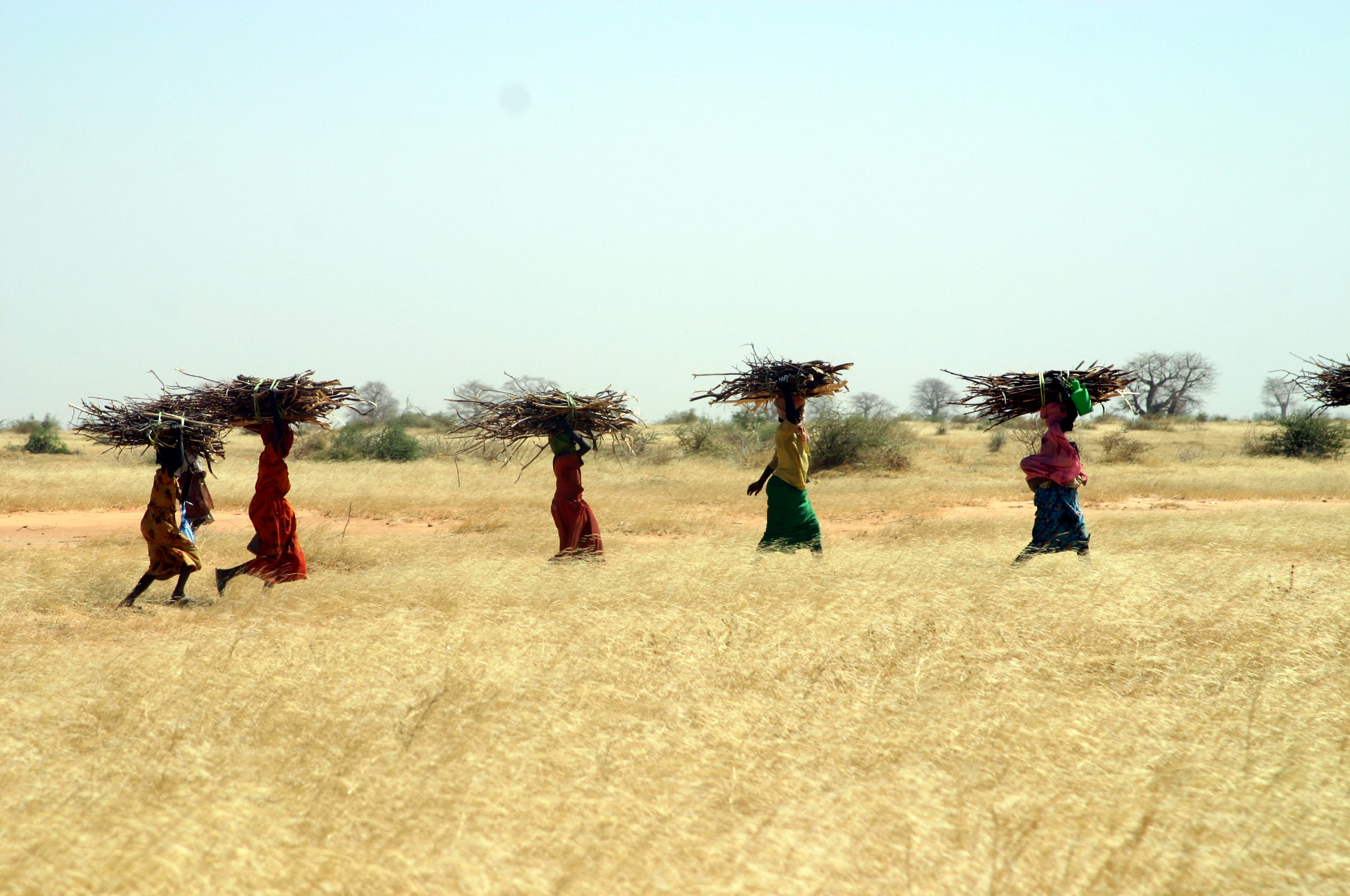
- Community Ingenuity: The challenges of a harsh, arid landscape fostered a spirit of ingenuity. In remote areas where access was limited, locals often repurposed available resources to meet their energy needs, laying the foundation for a future oriented toward self-reliance and innovation.
- Local Energy Sources: In the past, many communities in Darfur relied on small-scale, localized energy solutions—such as firewood for cooking and heating, as well as basic kerosene lamps for illumination. These methods, though simple, formed the backbone of daily life in an environment where large-scale power infrastructure was absent.
Modern Developments
Expanding Modern Infrastructure
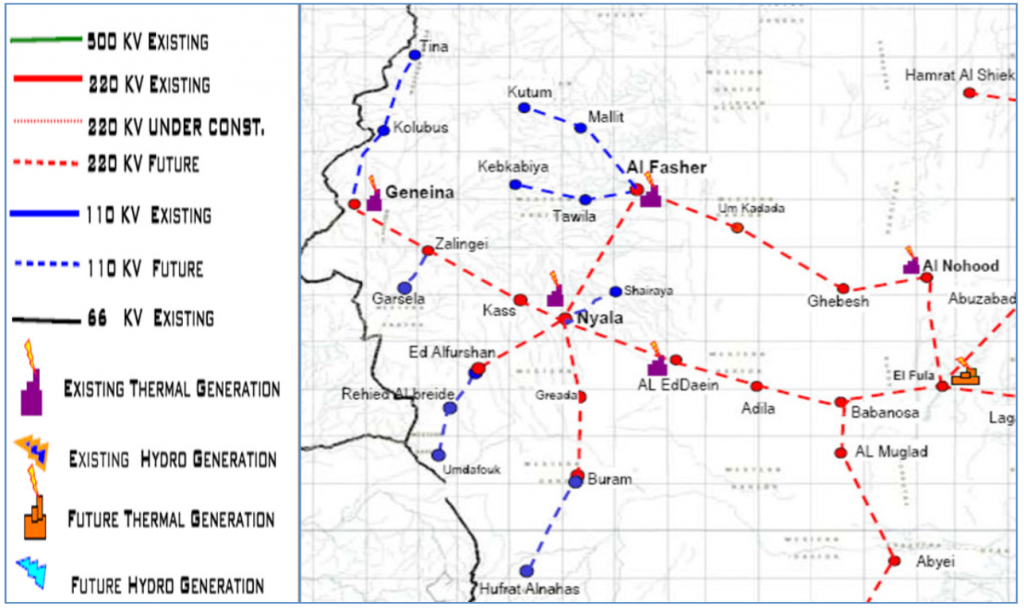
- Micro-Grids and Decentralized Systems: For areas where conventional grid extension is challenging, micro-grids and decentralized power systems have emerged as effective alternatives. These localized systems provide communities with a reliable energy supply, reduce transmission losses, and offer adaptable solutions for remote settings.
- Grid Extension and Electrification: Recent decades have seen concerted efforts by governments and development partners to expand the electrical grid and extend reliable power to rural communities. Investments in grid rehabilitation, new substations, and distribution lines are crucial for connecting remote areas to larger urban centers.
Renewable Energy Initiatives
Darfur’s abundant natural resources, particularly its high levels of sunlight, are driving a shift toward renewable energy:
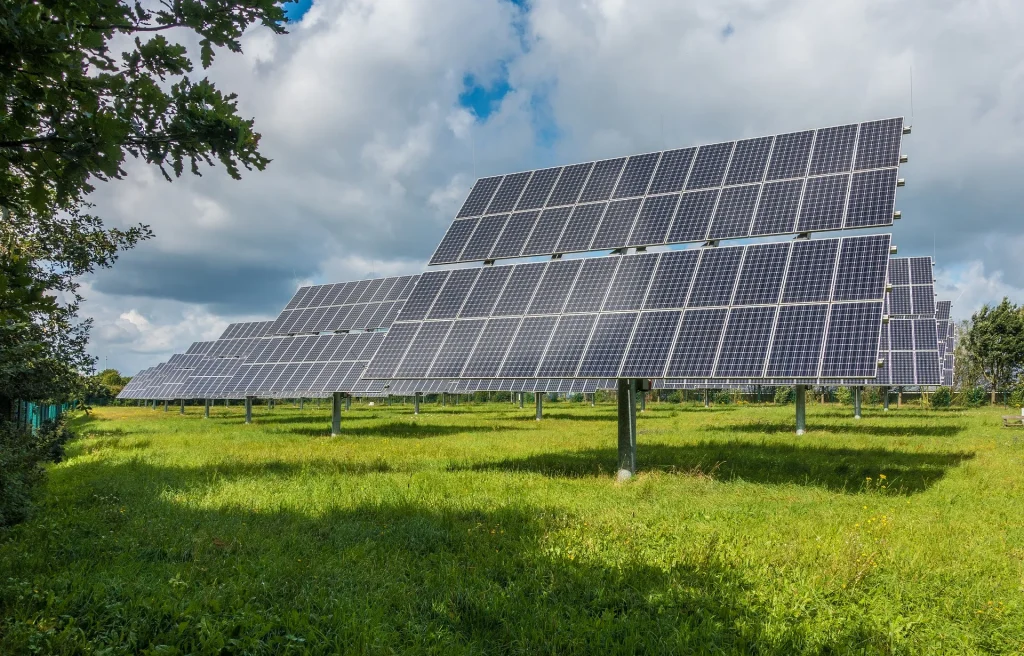
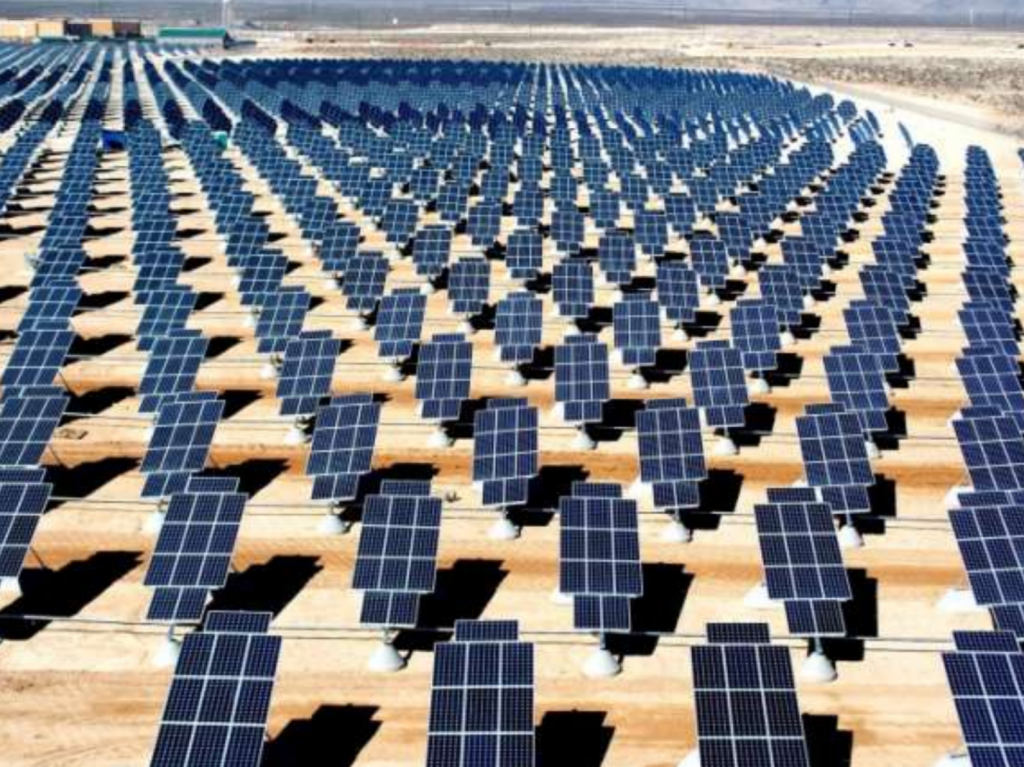
- Solar Power Projects: Solar panels and photovoltaic systems have been increasingly deployed to harness the region’s abundant sunlight. Community-based solar initiatives, ranging from small-scale home installations to larger solar farms, are providing clean and sustainable energy that complements and sometimes replaces conventional power supplies.
- Wind and Hybrid Solutions: Emerging projects are exploring the potential of wind energy and hybrid systems that combine multiple renewable sources. These innovative approaches not only enhance energy security but also reduce environmental impact and reliance on imported fuels.
- Energy Storage and Smart Grids: Advances in battery technology and smart-grid systems enable better management of intermittent renewable resources. By storing excess energy generated during peak sunlight hours and integrating digital monitoring tools, communities can enjoy a stable and consistent power supply.
Challenges in the Power Sector
Addressing Barriers to Progress
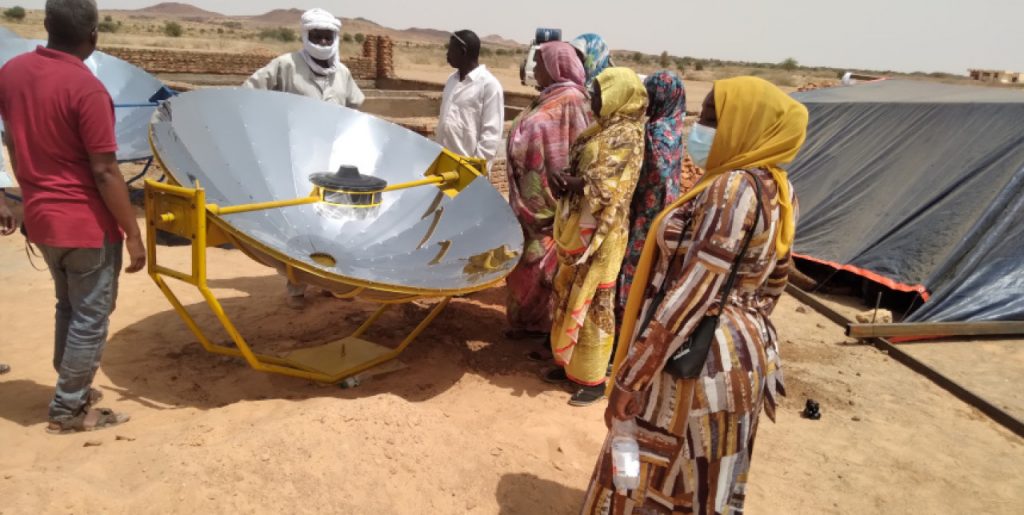
- Infrastructure Gaps: Despite progress, many rural areas still struggle with inadequate power infrastructure. Extending reliable access across vast distances and difficult terrains requires significant investment and coordinated planning.
- Financial and Technical Constraints: The cost of installing and maintaining modern energy systems can be high, and there is often a shortage of local technical expertise to operate advanced renewable technologies. Addressing these issues involves capacity building and the mobilization of both public and private investments.
- Sustainability and Environmental Considerations: While renewable projects offer cleaner alternatives, ensuring that these initiatives are environmentally sustainable and socially inclusive remains essential. Balancing rapid expansion with proper environmental safeguards and community engagement is key.
Vision for the Future
Toward a Resilient and Sustainable Power Sector
- Integrated Energy Solutions: The future of Darfur’s power sector lies in integrating traditional energy practices with modern renewable technologies. By leveraging the region’s natural resources and building on grassroots innovations, Darfur can create a robust and sustainable energy ecosystem.
- Inclusive Growth and Community Empowerment: Empowering local communities through training, technical support, and participatory planning will lead to ownership and sustainability of power projects. By establishing community-managed energy cooperatives, residents can play an active role in the evolution of their energy future.
- Technological Innovation and Policy Reform: Investment in research and the adoption of state-of-the-art technologies, alongside comprehensive policy reforms, will accelerate the modernization of the power sector. Clear regulatory frameworks and incentives for renewable energy investments will further catalyze this transformation.
The power sector in Darfur is undergoing a dynamic transformation—from a legacy of limited traditional energy methods to an era marked by renewable innovation and strategic infrastructure development. By harnessing the region’s abundant natural resources, modernizing the grid, and empowering local communities, Darfur is poised to build an energy system that is not only resilient and efficient but also a cornerstone of sustainable development.