

The Colonial Era marks a period of profound change in Darfur—a time when external powers redrew borders, restructured traditional institutions, and imposed systems of governance that forever altered the fabric of society. At Darfur 2030, we explore how colonial forces disrupted established ways of life, influenced economic and social practices, and left a legacy that continues to shape modern Darfur.
The Arrival of Colonial Powers
External Intrusions and New Boundaries
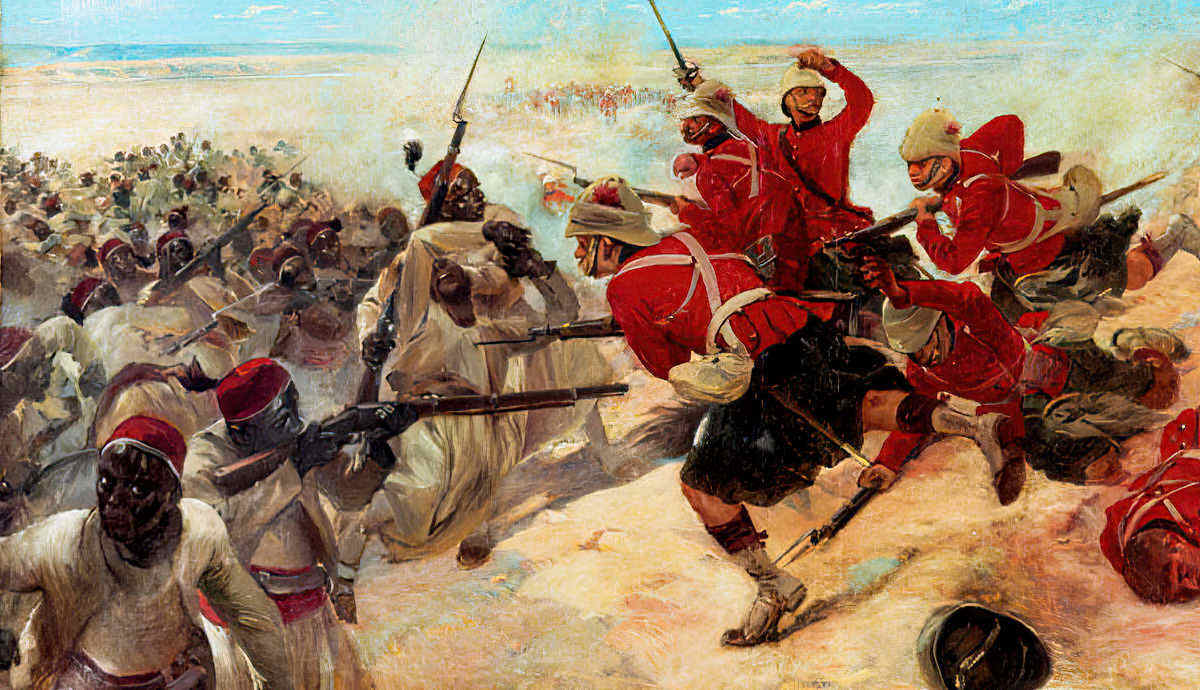
The expansion of European colonial ambition during the late 19th and early 20th centuries reached Darfur, introducing a foreign framework that would disrupt centuries-old traditions. Key points include:
- European Interests: British and Egyptian interests penetrated the region as part of broader colonial enterprises in Northeast Africa. The aim was to exploit strategic trade routes and natural resources while imposing new administrative structures.
- Redefined Borders: The imposition of colonial boundaries often ignored historical, ethnic, and ecological realities. These new borders reorganized traditional territories, sometimes uniting rival communities or splitting closely allied groups, with lasting implications for regional identity and stability.
Political Reorganization and Administration
Restructuring of Governance
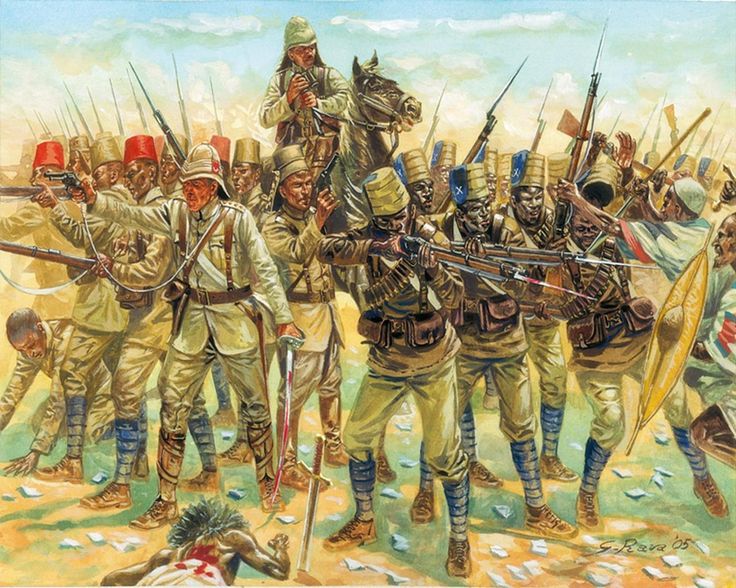
Colonial rule brought radical changes to Darfur’s political landscape:
- Indirect Rule and the Erosion of Traditional Authority: Colonial administrators often adopted systems of indirect rule, co-opting local chiefs while simultaneously undermining established governance structures. This duality eroded centuries-old systems of justice and leadership rooted in communal consensus.
- Centralization of Power: The colonial regime introduced centralized bureaucracies and administrative divisions that reshaped resource allocation, tax collection, and judicial processes. Such systems replaced traditional, community-based practices with imported methods that were sometimes ill-suited to the local context.
Economic Control and Resource Exploitation
Colonial ambitions extended beyond governance, deeply impacting Darfur’s economic foundations:
- Monopolization of Trade: Colonial powers regulated and often redirected trade networks for their benefit. The imposition of taxes and the reorganization of marketplaces disrupted established systems of barter and exchange, altering local economies.
- Resource Extraction and Land Use: The colonial administration prioritized the extraction of natural resources, modernizing agricultural practices and infrastructure to serve the needs of external markets. Such policies frequently neglected sustainable local practices and led to environmental exploitation.
- Impact on Traditional Livelihoods: Disruptions in trade and resource management forced many communities either to adapt rapidly or face economic hardship. The reorientation of the economy under colonial rule shifted focus from self-sustaining practices to production aimed at global markets.
Social and Cultural Transformations
Disruption of Social Fabric
The introduction of colonial policies had deep social consequences for Darfur:
- Cultural Displacement: Traditional customs, languages, and rituals were often suppressed or devalued in favor of the colonial culture. Educational and administrative systems introduced by the colonizers propagated new ideologies, sometimes at the expense of indigenous knowledge.
- Inequality and Social Division: Policies that favored certain groups over others sowed the seeds of future discord. By reinforcing hierarchical structures and marginalizing indigenous institutions, colonial rule contributed to socio-economic disparities that are still evident today.
Resistance and Adaptation
Despite these challenges, the people of Darfur demonstrated remarkable resilience:
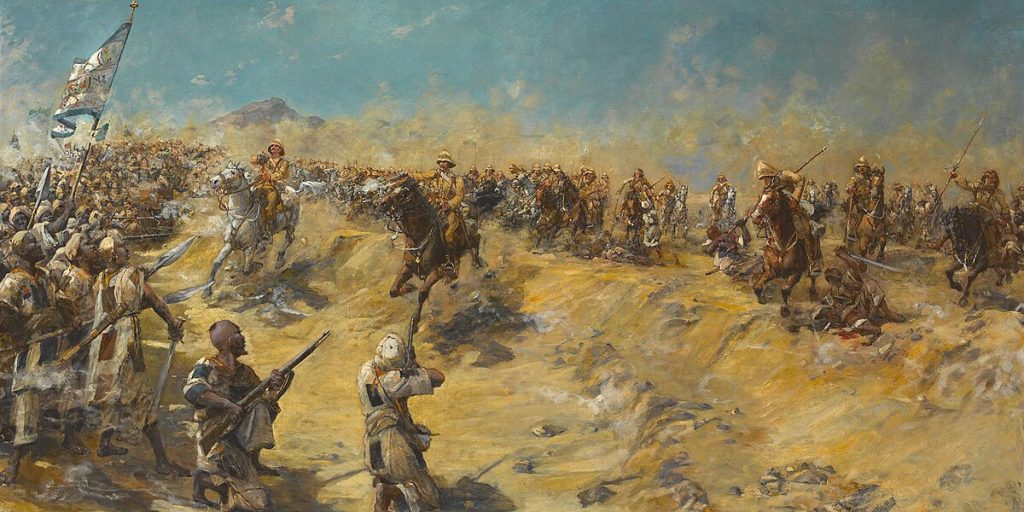
- Grassroots Movements and Uprisings: Local leaders and communities did not passively accept colonial domination. Numerous uprisings and acts of resistance, both armed and peaceful, emerged as communities sought to reclaim their autonomy and preserve their heritage.
- Cultural Renaissance and Preservation: In the face of cultural erosion, many Darfuri communities doubled down on their traditions. Oral histories, artistic expressions, and communal rituals served as forms of resistance, helping to maintain a sense of identity amidst the pressures of a rapidly changing world.
- Adaptation Strategies: Over time, local populations learned to navigate the new realities imposed by colonial rule—integrating new technologies and administrative practices while preserving essential elements of their cultural and social identities.
Legacy and Contemporary Reflections
Lasting Impact on Modern Darfur
The Colonial Era continues to influence the development and dynamics of Darfur today:
- Institutional Challenges: The administrative and political models introduced during colonial rule have left a mixed legacy. While some modern institutions retain structures reminiscent of colonial bureaucracy, many indigenous systems have evolved in response to the long-term impact of foreign governance.
- Economic Shifts: Colonial-era policies reshaped economic practices, integrating Darfur into the global market. The legacy of these interventions can be seen in ongoing debates about resource management, land rights, and sustainable development.
- Social and Cultural Reconciliation: The struggle to overcome the divisions wrought by colonial policies is an ongoing process. Efforts to revitalize traditional cultural practices alongside modern education and governance reflect a broader drive toward reconciliation and empowerment.
Lessons for the Future
Understanding the complexities of the Colonial Era is vital for contemporary development and conflict resolution in Darfur:
- Informed Policy-Making: By learning from the administrative, economic, and social trials of the past, modern policymakers can craft more inclusive and resilient governance structures.
- Cultural Empowerment: Emphasizing the importance of indigenous knowledge and traditional practices can pave the way for a renaissance in local culture, promoting social cohesion and sustainable development.
The Colonial Era in Darfur was a period defined by external imposition, deep economic and social restructuring, and the resilient response of local communities. Its legacy is complex—marked by disruption yet also by a spirit of resistance and adaptation that continues to inspire contemporary efforts for justice and development. At Darfur 2030, we recognize that understanding this history is essential to addressing current challenges and forging a future that honors the past while embracing progress.