

Before the modern era, Darfur was a vibrant mosaic of organized societies whose early kingdoms laid the groundwork for the region’s cultural, social, and political identity. These formative polities were characterized by innovative adaptation to challenging environments, thriving trade routes, and rich cultural expression. At Darfur 2030, we explore how these early kingdoms and societies emerged, flourished, and left legacies that continue to influence the modern landscape.
The history of Darfur is not an isolated narrative but a chapter in the broader story of northeastern and sub-Saharan Africa. Early societies in Darfur laid the groundwork for later state formation, developing distinctive cultural identities while also interacting with powerful contemporary civilizations such as the Kingdom of Kush. Through trade, migration, and the shared challenges of an often harsh environment, the people of Darfur both contributed to and were influenced by the socio-cultural and economic currents that flowed from the Nile Valley.
Early Societies and Cultural Landscapes in Darfur
Indigenous Development and Environmental Influences
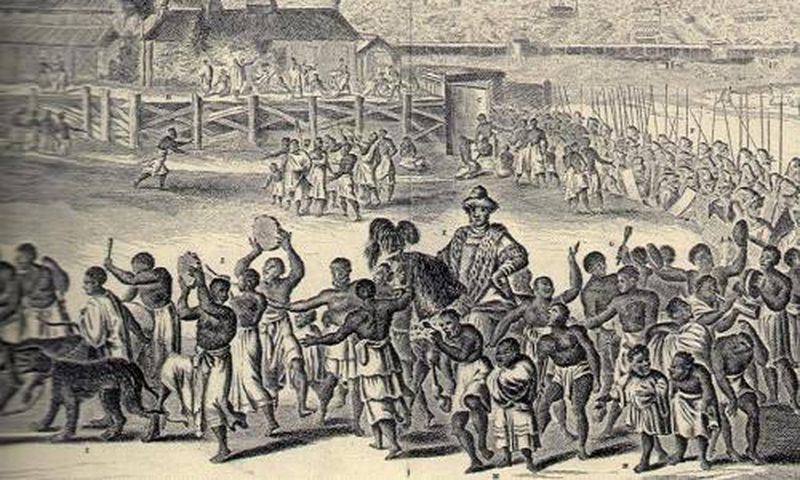
Long before formal structures of kingship emerged, the inhabitants of Darfur were shaped by the rhythms of a fluctuating environment. During periods when the Sahara and Sahel witnessed increased rainfall, the region transformed into a mosaic of savannas and waterways that supported pastoralism, limited agriculture, and hunting. Such dynamic climatic conditions encouraged varied settlement patterns—from temporary encampments to more settled villages—laying the foundation for emerging socio-political structures. Archaeological investigations have uncovered remnants of early material culture, including stone tool assemblages and rudimentary pottery, which signal a long process of cultural adaptation and innovation.
The Rise of Organized Societies
By the late Neolithic and into the early Bronze Age, local groups in Darfur began forming more complex and organized communities. These communities capitalized on the fertile patches of land along watercourses, developing early agricultural techniques and engaging in animal husbandry. As populations grew, social differentiation emerged. This period saw the gradual emergence of proto-state structures that would later evolve into more formalized kingdoms and polities. Although direct evidence for institutionalized leadership is sparse, early hierarchical relationships are suggested by burial practices, the distribution of high‑quality artifacts, and the scale of communal structures.
Early Kingdoms in Darfur
Formation of Regional Polities
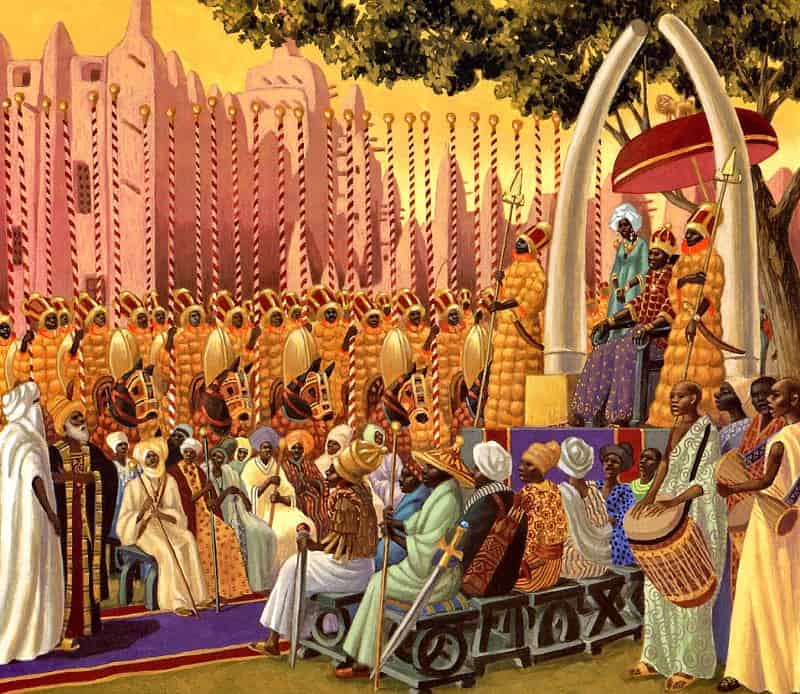
Scholars theorize that between the first millennium BCE and the early centuries CE, several indigenous polities began to take shape in Darfur. Among these were complex chiefdoms that later evolved into kingdoms. Ethnographic and archaeological evidence points to groups—sometimes later identified in historical records as the Daju and, subsequently, the Tunjur—who administered local resources, regulated trade, and established ritual practices that legitimized their authority. These leaders likely drew upon local traditions as well as external cultural influences to forge identities distinct to Darfur.
Social, Political, and Economic Structures
In these early kingdoms, political power was often intertwined with religious authority. Rulers claimed both military and cosmic legitimacy through symbols, ceremonies, and monumental architecture. Economic organization relied heavily on both agricultural production and long-distance trade. The archaeological record—marked by distinctive pottery styles, metallurgical artifacts, and rock art—reveals social stratification and an embrace of symbolic imagery that later cultural historians see reflected in the iconography of more centralized kingdoms.
The Kingdom of Kush: A Broader Context
Kush as a Regional Power
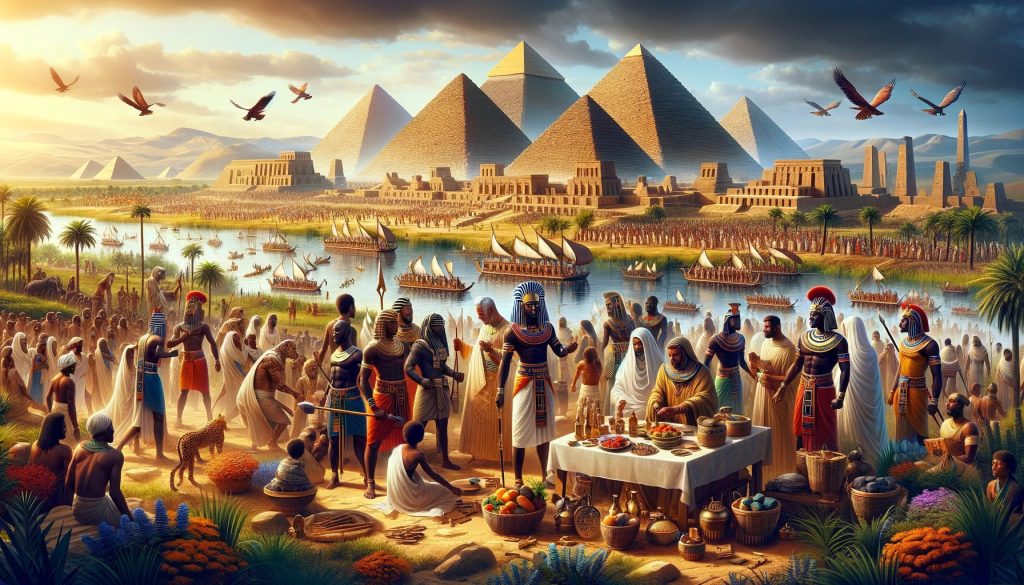
The Kingdom of Kush, with its centers at Napata and later Meroë, was one of ancient Africa’s most sophisticated and enduring civilizations. Located to the northeast along the Nile, the Kushites developed distinctive political, artistic, and religious traditions and maintained extensive trade connections with Egypt, the Mediterranean world, and beyond. Kush’s power, both militarily and culturally, left an indelible mark on the regional balance of power in Sudan, influencing neighboring territories through shared technologies, artistic motifs, and administrative practices.
Mechanisms of Cultural and Economic Exchange
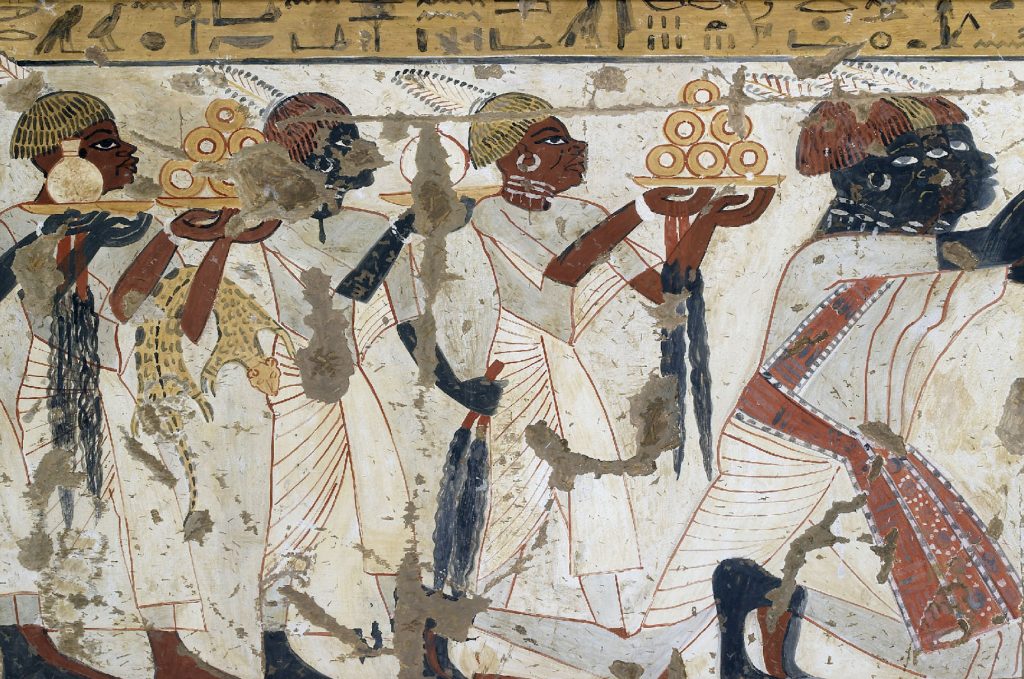
Kush’s influence over much of Northeast Africa was not marked solely by direct conquest or political control but also by dynamic interactions along trade routes that spanned the Sahara and the eastern Sahel. Luxury goods, raw materials, and ideas flowed between the Nile Valley and the neighboring regions, including Darfur. The movement of skilled artisans, merchants, and even migrants facilitated a two-way exchange of cultural motifs and technological innovations. Items such as pottery styles, metalworking techniques, and even elements of religious symbolism display parallels that have led researchers to posit that the early societies of Darfur were very much part of this trans-regional network.
Connections Between Darfur’s Early Kingdoms and Kush
Trade and Economic Networks
The trade networks linking Kush with regions as far west as Darfur were essential conduits for the flow of goods and ideas. Darfur’s strategic position on routes connecting the Nile Valley to sub-Saharan regions meant that early kingdoms could take advantage of luxury markets and exchange networks that also served Kush. This economic interdependence bolstered local power structures in Darfur and enhanced their ability to acquire technologies and administrative methodologies devised in Kush.
Cultural Transmission and Symbolic Parallels
Cultural ties between Kush and early Darfur kingdoms are evident in art, ritual, and religious iconography. For instance, some rock art and ornamental motifs in Darfur echo the stylistic and symbolic traditions of Kushite art. Such parallels suggest that the elites of Darfur not only traded with Kush but might also have adopted and adapted cultural and religious symbols to assert their legitimacy. This symbolic borrowing served as a bridge between the two regions, underscoring a shared cultural heritage even as each society developed unique local flavors.
Political and Ideological Influences
While there is little evidence of direct political control by Kush over Darfur, the ideological frameworks of rulership and cosmic order prevalent in Kush likely reached and resonated with Darfur’s ruling classes. The emphasis on divine kingship, monumental architecture, and ritual processions found in Kushite practices may have provided models for emerging Darfuri elites, who then recalibrated these ideas within local traditions. In doing so, they contributed to a regional cultural continuum that linked the diversity of early African polities into a more cohesive historical narrative.
The early kingdoms and societies of Darfur stand as a testament to the region’s adaptive ingenuity, creative expression, and capacity for integrating external influences. From indigenous forms of social organization that arose in response to environmental challenges to the later adoption of cultural and economic paradigms drawn from the great Kingdom of Kush, Darfur’s history is one of both originality and fertile exchange. While direct political hegemony by Kush is not evidenced, the penetration of Kushite artistic motifs, trade practices, and ideological constructs into Darfur reflects a broader African interconnectedness. Today, these historical linkages encourage a reevaluation of regional Africa as a dynamic and interwoven tapestry rather than a mosaic of isolated cultures.