

Darfur’s story stretches back into the mists of time. The land itself is a living archive where the echoes of early human life are etched in stone, rock art, and archaeological treasures. At Darfur 2030, we honor the prehistoric and ancient past that laid the foundations for the rich cultural tapestry of the region today.
Geological and Environmental Foundations
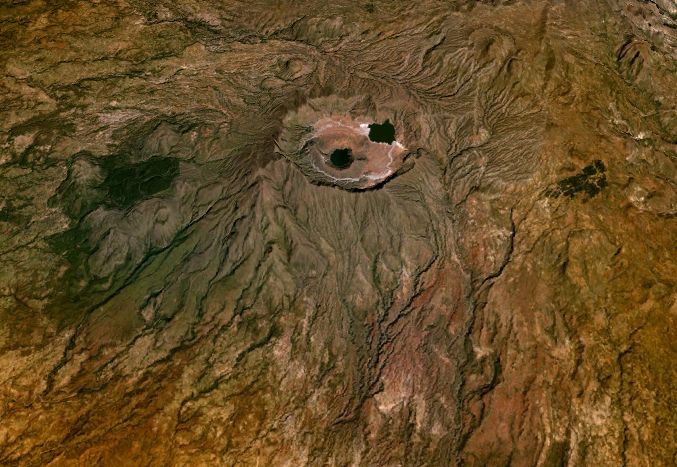
Darfur’s story begins with its distinctive geological setting. Formed by ancient tectonic forces, the landscape is marked by basins, rocky outcrops, and sediment deposits that have preserved the vestiges of prehistoric life. During periods when the so-called “Green Sahara” prevailed, increased rainfall transformed the region into a mosaic of lakes, rivers, and savannas—conditions that supported flora and fauna in abundance. These more humid periods enabled human groups to settle, cultivate, and develop early technology. When the climate eventually shifted toward aridity, populations had to adapt by moving to wetter micro-environments such as oases or the margins of river systems. The dynamic interplay between environment and human activity is central to the prehistoric narrative of Darfur.
The Mesolithic Transition: Local Adaptation in a Changing World
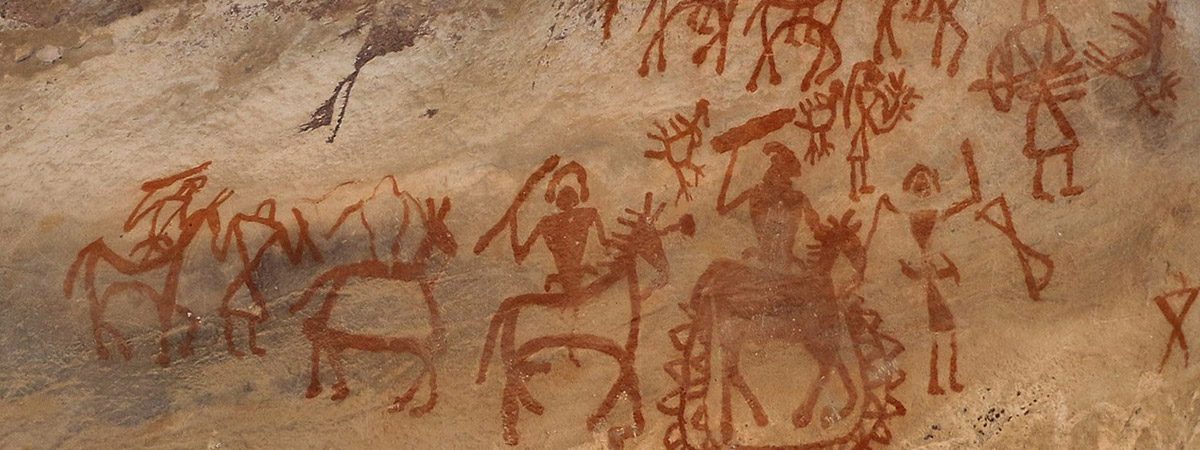
Following the long stretch of the Paleolithic, the Mesolithic period brought subtle yet significant shifts. As the environment began to stabilize periodically during the early Holocene, groups in Darfur started to transition from a purely nomadic mode of existence to patterns of seasonal movement and temporary settlement. New toolkits—more refined than the robust Paleolithic implements—reflect an increasing sophistication in hunting techniques and possibly early fishing and plant-gathering strategies. Rock shelters and open-air sites, where evidence of hearths and tool clusters have been found, point to a period of experimentation with settlement patterns, even as environmental uncertainty persisted.
The Neolithic Revolution: Seeds of Agriculture and Sedentism
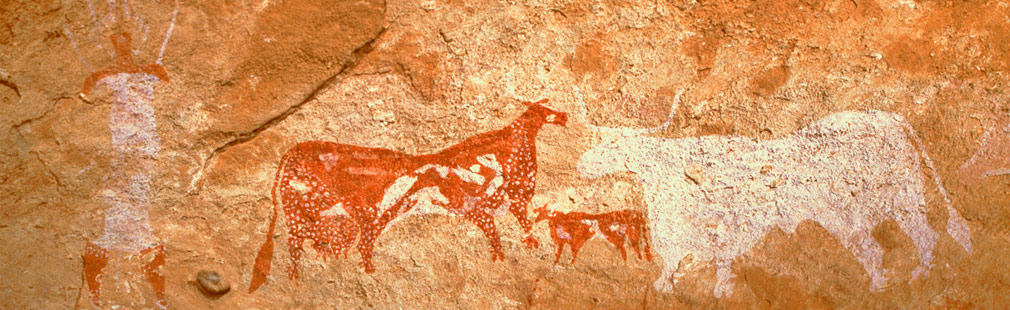
Around 10,000 BCE—heralding the broader Neolithic revolution across Africa—the inhabitants of Darfur began transforming their subsistence strategies. This era saw the advent of plant cultivation and animal domestication. Early farmers cultivated indigenous cereals such as millet and sorghum, while managing livestock suited to semi-arid conditions. The appearance of pottery fragments, grinding stones, and other material culture suggests that as populations grew, they established more permanent settlements. This shift not only allowed for increased food production but also laid the groundwork for emerging social complexity and technological innovation in the region.
Cultural Expression and Technological Advancements
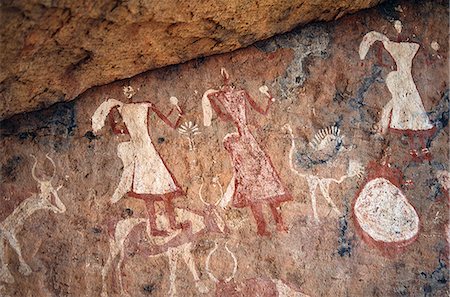
With more stable settlements came a surge in cultural expression. Darfur is renowned for its rock art—engravings, paintings, and carvings that adorn caves and rocky outcrops. These images are more than decorative; they offer insights into rituals, social hierarchies, and perhaps early religious beliefs. The motifs range from depictions of daily activities like hunting and communal gatherings to abstract symbols that may have served as markers of territory or identity. In parallel, trade networks began to form, linking different groups within Darfur and even extending toward the Nile Valley. The exchange of goods such as animal hides, pottery, and lithic tools facilitated not just economic interaction but also the transfer of ideas and technological methods.
Prehistoric communities in Darfur were more than just wanderers—they were the pioneers of culture and society:
- Settlement Evidence: Remnants of early settlements scattered across the region suggest that communities began to establish semi-permanent bases along river banks, around oases, and in sheltered highlands. These sites offer invaluable insights into the daily lives of early inhabitants.
- Rock Art and Ceremonial Expressions: Petroglyphs and ancient carvings found on rocky outcrops serve as silent storytellers. These images not only document the natural world but also hint at early ceremonial practices and the spiritual connection that these communities nurtured with their surroundings.
- Crafting a Legacy: The tools and artefacts recovered from various sites speak of a culture deeply engaged in resourcefulness—crafting implements, fashioning early pottery, and possibly even marking calendars with natural events. Such innovations laid the groundwork for more advanced societal structures in later periods.
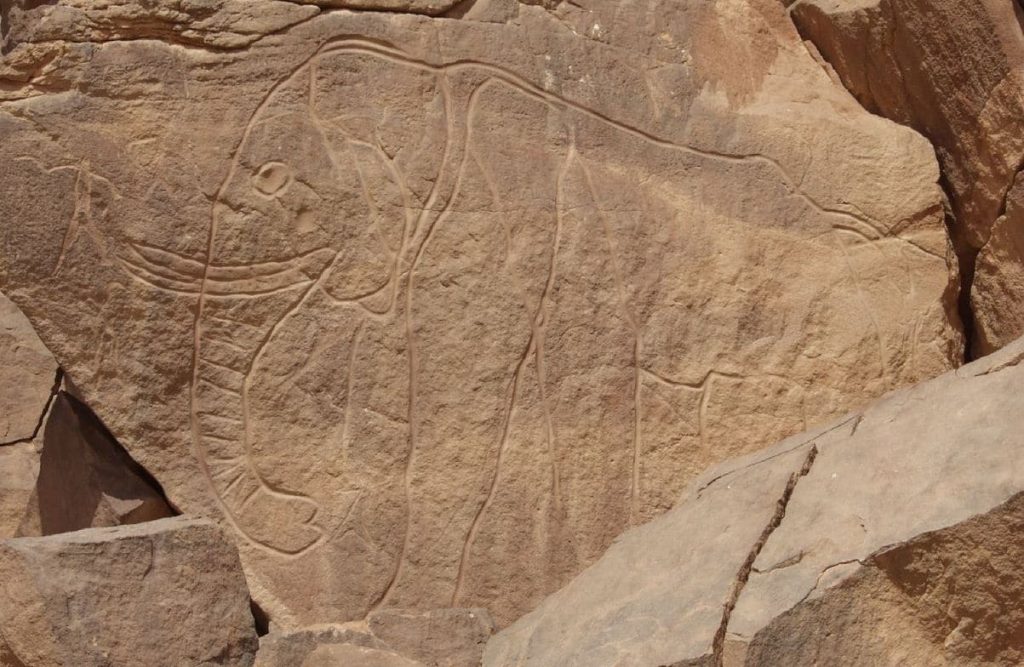
The Prehistoric Epoch
Long before written records, human groups roamed Darfur’s diverse environments in search of sustenance and shelter. The prehistoric period in Darfur is illuminated by:
- Ancient Footprints: Archaeological discoveries in the region—including stone tools, remnants of early habitations, and enigmatic rock engravings—reveal that early human beings found ways to adapt to an arid, challenging landscape.
- A Landscape of Adaptation: As the climate shifted over millennia, inhabitants learned to navigate the semi-arid and arid regions, developing techniques for water conservation and basic agriculture. Their resilience and ingenuity provide a window into survival in extreme environments.
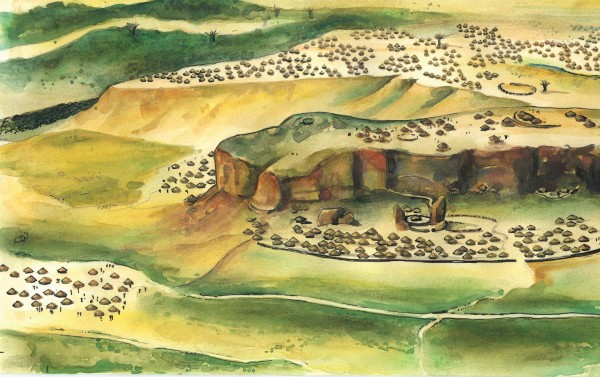
The Transition to Ancient Civilizations
As centuries passed, the legacy of these early peoples evolved into more complex social and economic networks:
- Foundations of Trade and Exchange: The strategic positioning of early Darfuri communities along vital trade routes would eventually set the stage for emerging kingdoms. Early systems of exchange were built on the mutual need to thrive in a challenging environment.
- The Birth of Structured Society: The prehistoric period gradually gave way to the establishment of the first identifiable socio-political entities. While much is still being uncovered, these developments hint at the early formation of social hierarchies, leadership, and organized community life.
Legacy of the Prehistoric and Ancient Eras
The whispers of the distant past continue to influence Darfur today:
- Cultural Resonance: Many of the survival strategies, traditional rituals, and deep connections to the land that marked prehistoric life still echo in the cultural practices of contemporary Darfuri communities. The reverence for nature, the reliance on communal cooperation, and the reliance on indigenous knowledge have deep prehistoric roots.
- Ongoing Discoveries: Archaeologists and historians continue to unearth new evidence that enriches our understanding of Darfur’s early inhabitants. Each discovery not only fills gaps in our historical knowledge but also serves as a reminder of the indomitable spirit of early human resilience and imagination.
The prehistoric and ancient history of Darfur represents a continuum of ingenuity, resilience, and cultural depth. The traces left by early settlers, from stone tools to evocative rock art, are more than relics—they are a testament to how the people of Darfur first adapted to their environment, setting into motion a legacy that would shape the region for millennia. As we celebrate these formative epochs at Darfur 2030, we invite you to reflect on how the echoes of prehistory continue to inspire hope and inform the path forward.