

The climate of Darfur is a pivotal force that has shaped its landscapes, livelihoods, and cultural narratives for centuries. At Darfur 2030, we examine these climatic dynamics not only to understand the challenges they pose but also to highlight the innovative ways communities are adapting to ever-changing environmental conditions.
Climate Overview
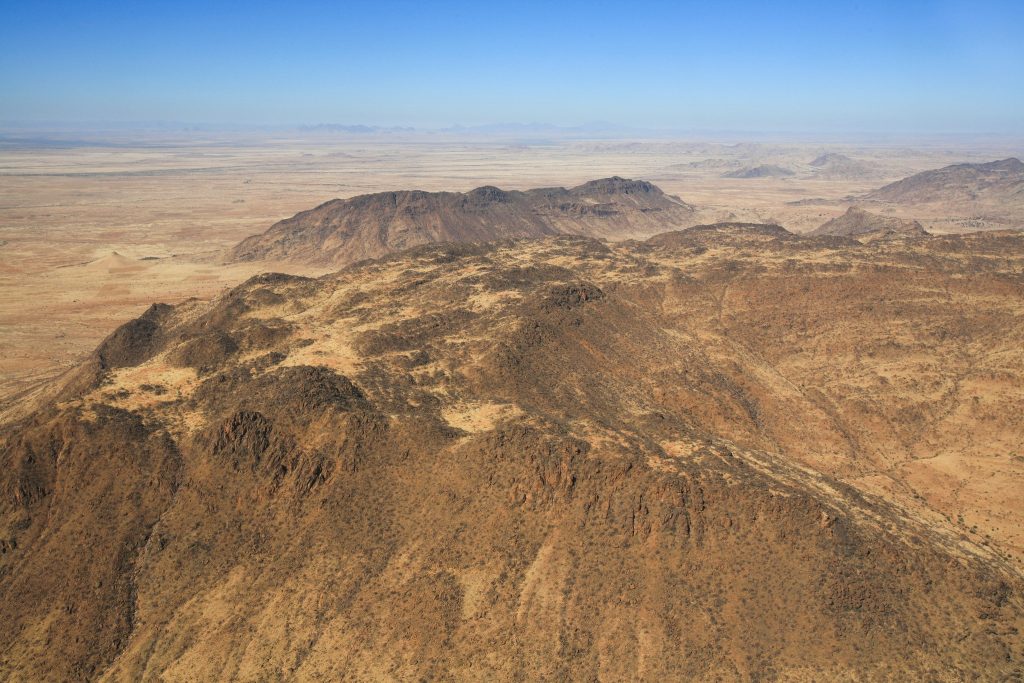
Darfur’s climate is characterized by its variability and extremes, presenting a unique blend of seasonal patterns and environmental pressures:
- Semi-Arid to Arid Conditions: Much of Darfur experiences high temperatures, low and erratic rainfall, and prolonged dry spells. These conditions require communities to continuously adapt their agricultural and water management practices.
- Seasonal Rhythms: The region’s weather oscillates between distinct wet and dry seasons. While the brief rainy season offers critical resources for replenishing water supplies and supporting limited crop growth, the extended dry period heightens the risk of drought and resource scarcity.
Impact on Ecosystems and Livelihoods
Darfur’s climate profoundly influences both natural ecosystems and the daily lives of its people:
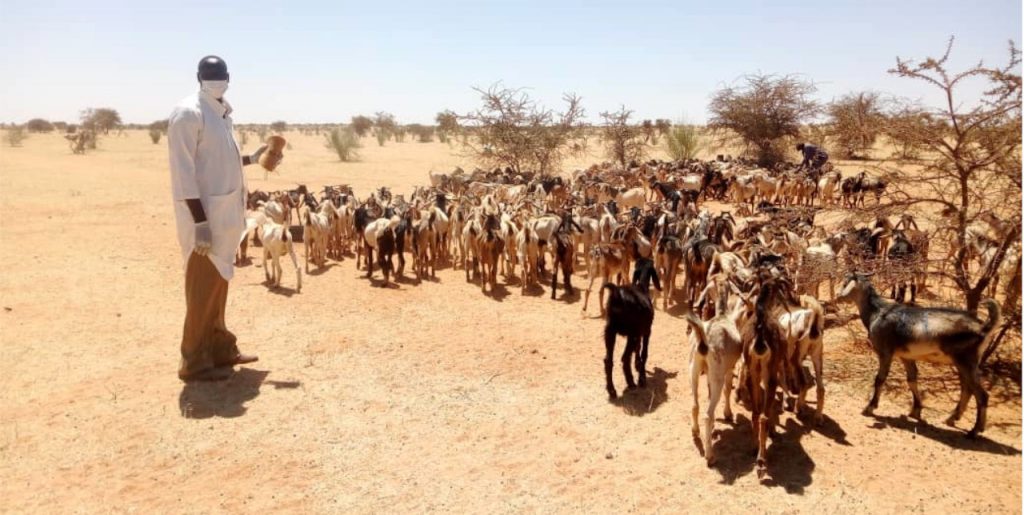
- Agriculture and Water Management: Traditional farming methods and pastoral practices have evolved in response to climatic constraints. In regions where rainfall is scarce, communities have developed rainwater harvesting techniques, drought-resistant crop cultivation, and innovative irrigation practices.
- Biodiversity and Natural Resources: Arid landscapes naturally foster a unique set of flora and fauna—species that have adapted to survive under harsh climatic conditions. However, ongoing environmental stressors threaten these delicate ecosystems, prompting efforts towards conservation and sustainable land management.
- Human Well-Being and Community Resilience: The variability and unpredictability of the climate pose challenges, including food insecurity, water shortages, and health risks associated with extreme weather. Community-driven adaptation projects, however, are emerging as beacons of hope, reinforcing resilience and fostering local empowerment.
Climate Change and Emerging Challenges
Recent decades have witnessed significant shifts in Darfur’s climate, amplifying both long-standing issues and creating new vulnerabilities:
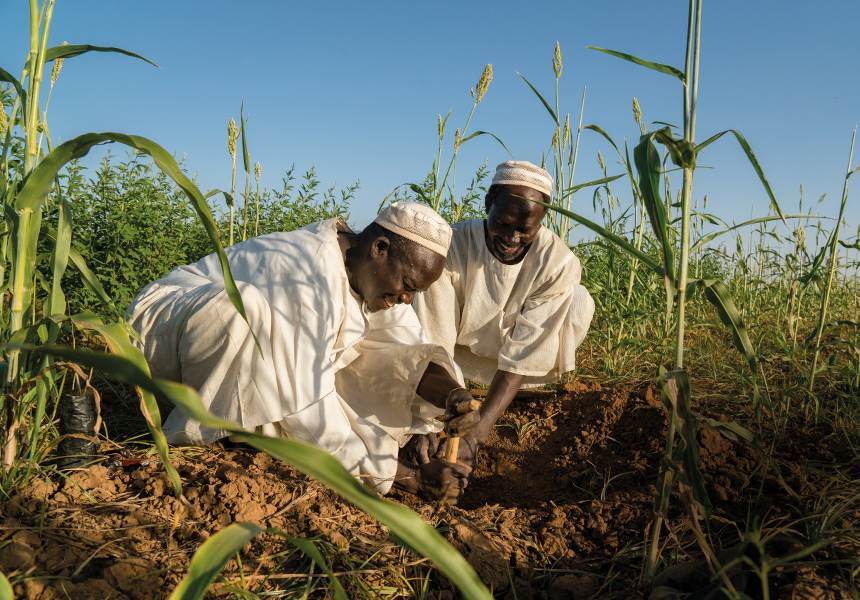
- Increasing Temperature and Variability: Global climate change is contributing to rising temperatures and more erratic rainfall patterns. These trends exacerbate water scarcity, intensify droughts, and challenge traditional agricultural cycles.
- Environmental Degradation: As climate variability increases, so too does the risk of land degradation and desertification. This ongoing challenge calls for urgent interventions to conserve soil fertility, manage water resources efficiently, and prevent further loss of arable land.
- Socio-Economic Impacts: The compounded effects of climate change not only stress environmental resources but also affect economic stability. Rural communities, whose livelihoods are closely tied to the land, face uncertainty as they struggle to balance traditional practices with the necessity for modernization in resource management.
Adaptation and Mitigation Strategies
In response to these challenges, both local communities and external partners are collaborating to develop innovative strategies for climate resilience:
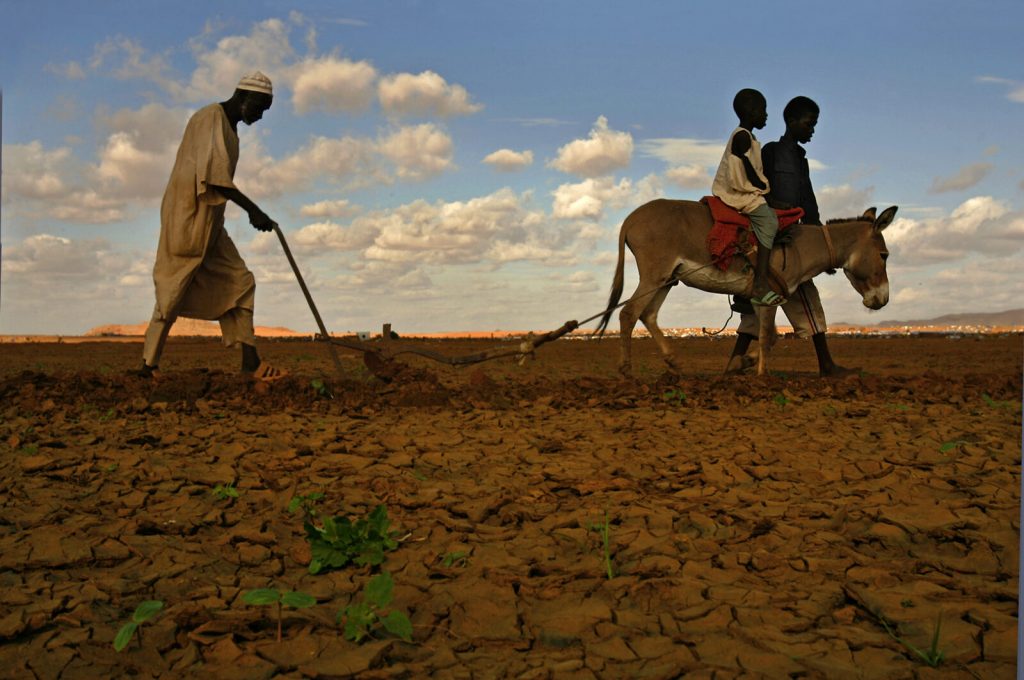
- Community-Led Initiatives: Grassroots programs are at the forefront of managing climate impacts—teaching sustainable farming techniques, promoting water conservation, and revitalizing indigenous knowledge systems that have sustained communities for generations.
- Technological Innovation: Efforts are underway to integrate digital technologies with traditional practices. Real-time climate monitoring, early-warning systems, and modern irrigation solutions are being implemented to better predict weather patterns and enhance resource management.
- Policy and Collaborative Frameworks: Environmental conservation and climate adaptation require coordinated action. Partnerships among local governments, non-governmental organizations, and international bodies are critical in shaping policies that support long-term sustainable development and environmental stewardship.
Embracing a Sustainable Future
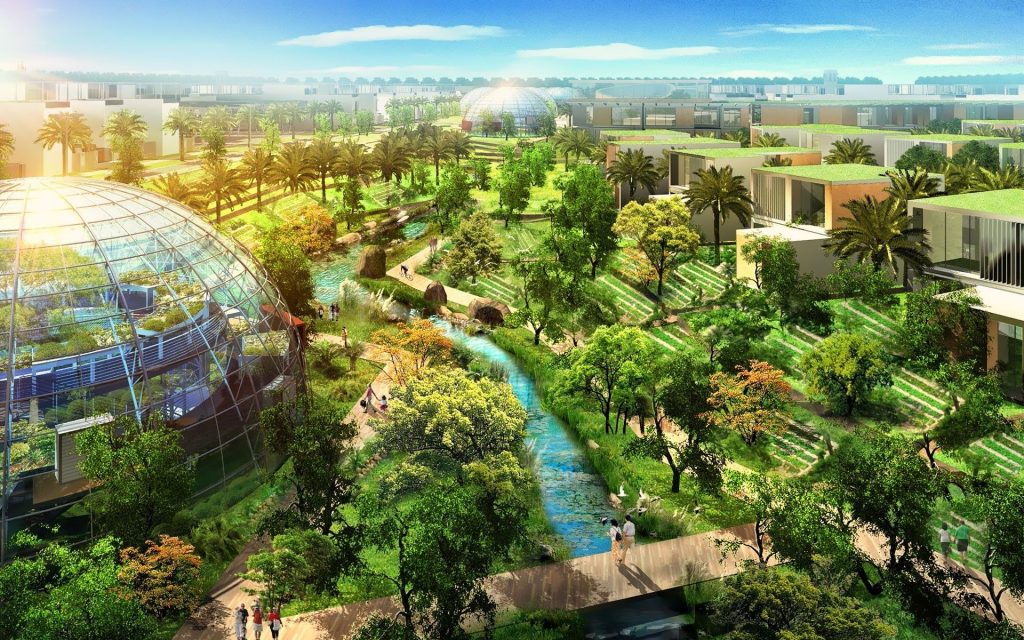
At Darfur 2030, we remain committed to illuminating both the challenges and the opportunities presented by the region’s dynamic climate. By fostering dialogue, supporting innovative adaptation strategies, and promoting sustainable practices, we aim to build a resilient future for Darfur—where communities are empowered to turn climatic adversity into a catalyst for positive change.